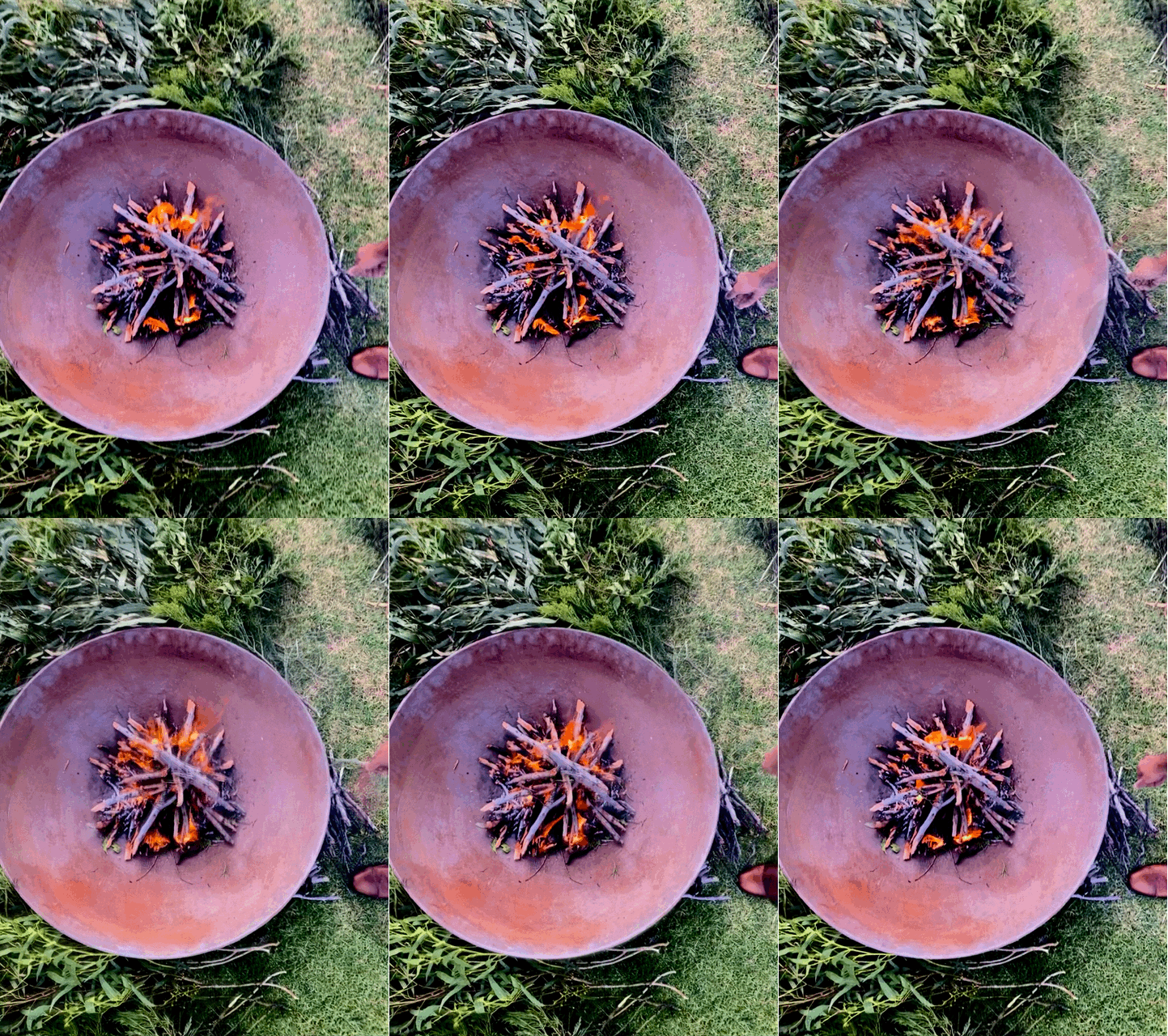
We acknowledge the Yaluk-ut Weelam Clan of the Bunurong Boon Wurrung peoples as the Traditional Custodians of the land on which we have gathered, to live, to love, and perhaps to play along the way.
We pay our respects to Elders past and present and recognise their enduring connection and continuing contribution to Country, culture, and community. We extend that respect to all Aboriginal and Torres Strait Islander peoples across Australia.
We acknowledge that sovereignty was never ceded and honour the ongoing struggle of First Nations peoples for justice, reconciliation, and a better future for all.

West St Kilda is an inner-city suburb of Melbourne, a parcel of prime land, sand and greenery sandwiched between Port Phillip Bay and Albert Park Reserve, garnished by West Beach and Catani Gardens, then topped off with a pickled Fitzroy Street.
WOMINJEKA EURO YUROKE BALLUK
West St Kilda is bounded by Beaconsfield Parade, Fraser Street, and the No. 96 tram line. Built on reclaimed marshland at the turn of the 19th century, West St Kilda occupies a relatively small part of the City of Port Phillip, wedged between Albert Park Reserve & Port Phillip Bay at their narrowest convergence.
Mixing the sometimes confronting character of Fitzroy Street & St Kilda to its south-east with the urban gentility of Middle & Albert Parks to its north-west, this densely populated area is dotted with early 20th century flats & post-war apartment blocks, while featuring some of the most exuberant post-Victorian domestic architecture in Australia. With a little imagination, combined with the changing light at different times of the day or year, you may easily sense the atmosphere and drama of a bygone era in several of its streetscapes.
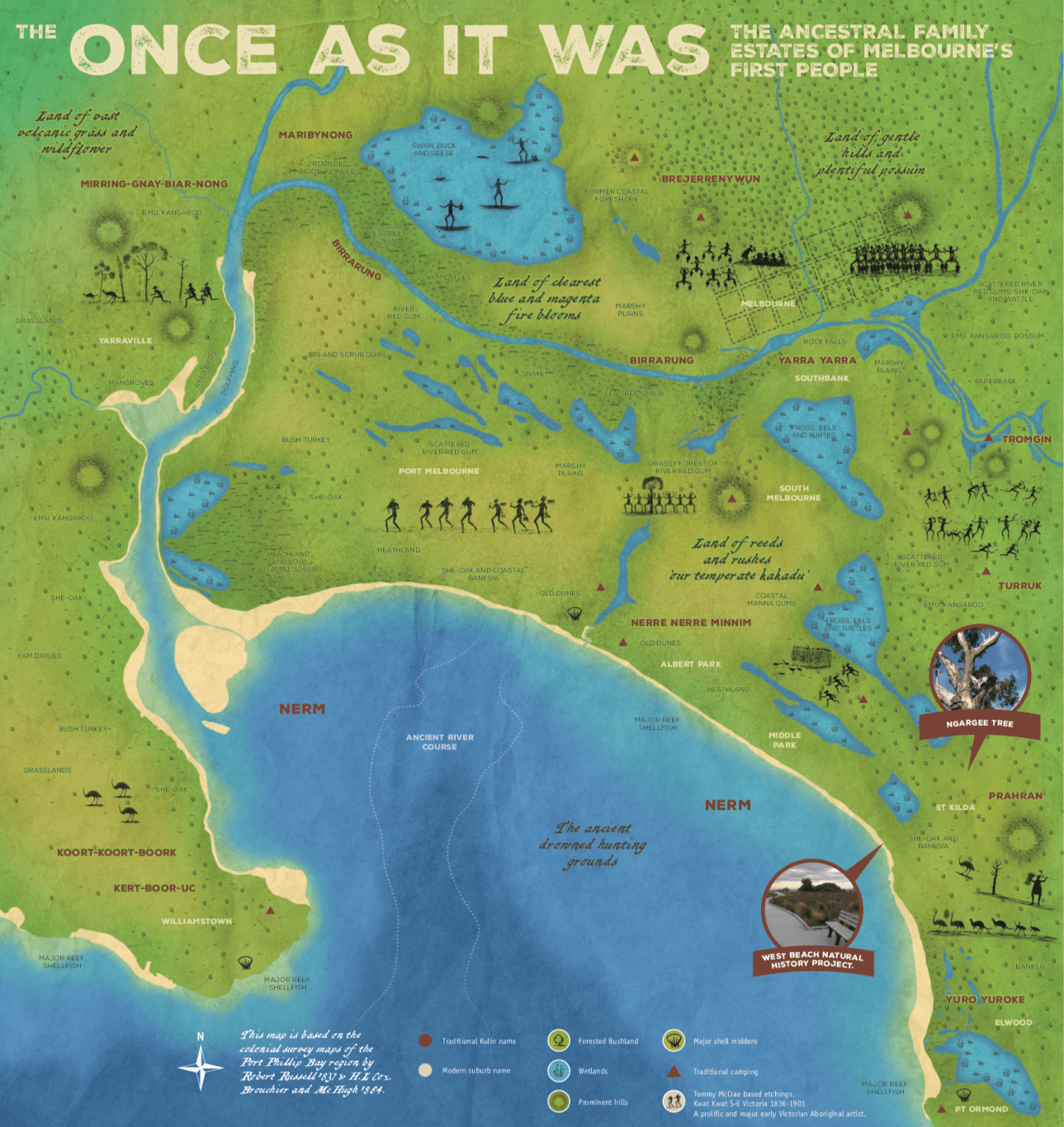
Before European settlement in what is now known as St Kilda, Australia’s First Peoples called it Euro Yuroke, from the Boon Wurrung language of the Yaluk-ut Weelam Clan of the Bunurong Boon Wurrung peoples—the original inhabitants and traditional custodians of this land, its waters and air. Always was, always will be, Aboriginal land.
“The Yaluk-ut Weelam (or Yalukit Willam) clan is one of the six clans of the Bunurong Boon Wurrung peoples, part of the greater Kulin Nation. Their name translates to “river home” or “people of the river”.
—Traditional Country
Their traditional estate encompasses Central Melbourne (the CBD), extending south through St Kilda, Port Melbourne, South Melbourne, and Toorak. Before European settlement in 1835, this area was a rich, marshy wetland complex—often described as a temperate Kakadu—filled with lagoons, swamps, and abundant wildlife.
—Creation and Culture
Bundjil: According to Boon Wurrung law, the landscape, rivers, and oceans were carved out by the creator spirit Bundjil, who travelled across the country as a wedge-tailed eagle.
Sustainable Living: The Yaluk-ut Weelam managed the landscape using precise fire-stick farming. This method encouraged the growth of murnong (yam daisies) and managed local ecosystem resources. They fished for eels, hunted game, and gathered coastal resources.
The Kulin Gathering Place: Central Melbourne served as an important meeting ground for the wider Kulin Nation. It hosted inter-clan trade, marriages, judicial matters, and sacred ceremonies.
—Significant Local Landmarks
The Ngargee Tree: A sacred, 300-year-old Corroboree Tree still stands near the corner of Fitzroy Street and Queens Road in St Kilda, bearing witness to generations of gatherings.
Point Ormond: Historically known as a lookout point, a source of ochre for ceremonies, and a significant cooking site.
Yalukit Willam Nature Reserve: The former 13-hectare golf course in Brighton is being transformed back into a wetland reserve to honour the clan’s ancestral connection to the landscape.”—Google Gemini
KILDA WAS NO SAINT !
Various theories have been proposed for the word Kilda’s origin, which dates from the late 16th century. No saint is known by the name.
Haswell-Smith (2004) notes that the full name St Kilda first appears on a Dutch map dated 1666, and that it might have been derived from Norse sunt kelda (“sweet wellwater”) or from a mistaken Dutch assumption that the spring Tobar Childa was dedicated to a saint. (Tobar Childa is a tautological placename, consisting of the Gaelic and Norse words for well, i.e., “well well“.) Scottish writer Martin Martin, who visited in 1697, believed that the name “is taken from one Kilder, who lived here; and from him the large well Toubir-Kilda has also its name.”
– Wikipedia on St Kilda
There’s Never Been A St Kilda
Music & Video by Mal Webb, James Cattell, Dominic Hook, Kylie Morrigan
There’s never been a Saint Kilda
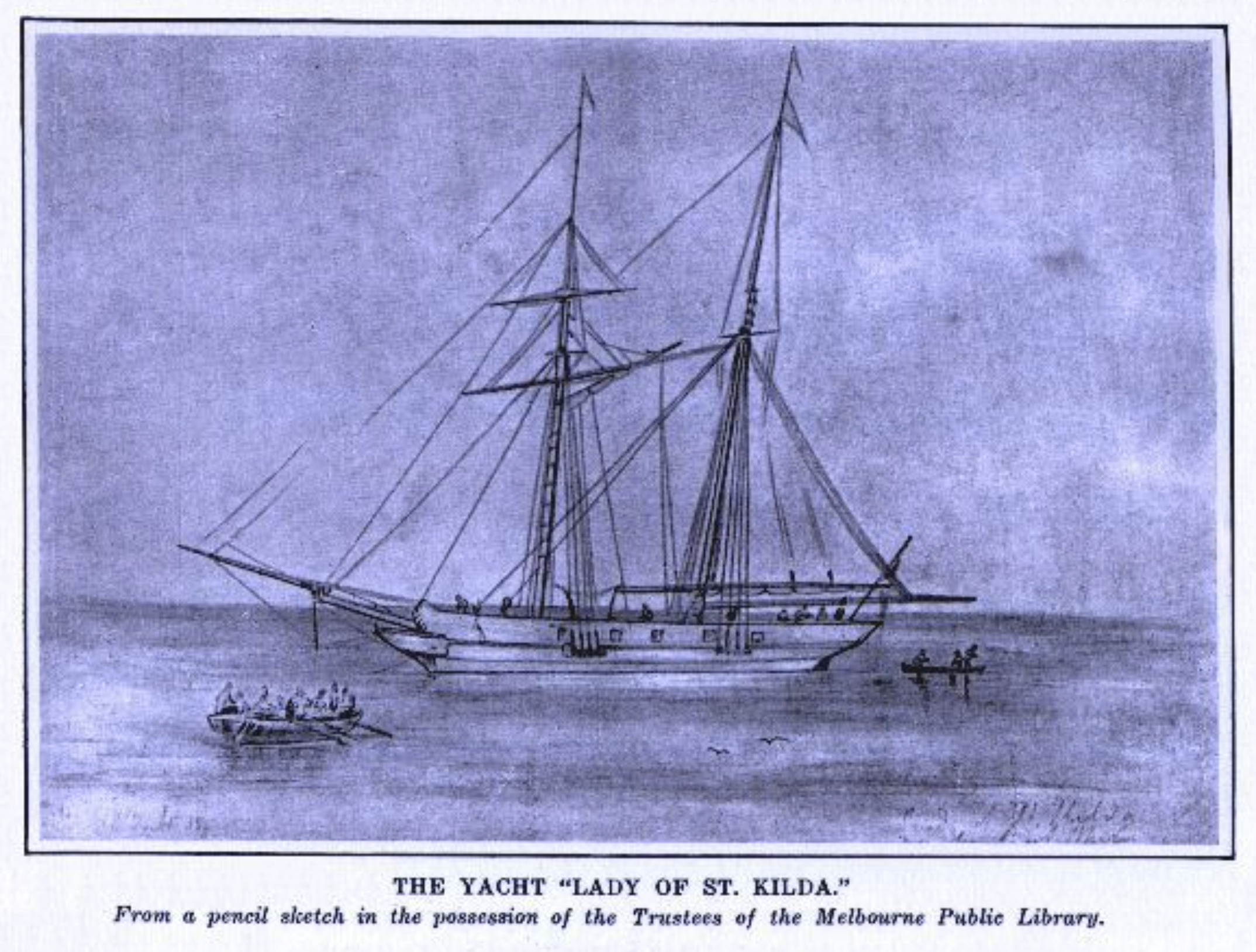
That suburb by the bay was named for a sailing ship named after a lady
Jailed on an island by her husband… way to the west of Scotland
And that St Kilda archipelago’s dodgy etymology may well well involve a two-tongue tautology
Doubly dubbed in Gaelic and Norse, Tobar Childa, is where Martin Martin sought the source
But the main island and another further afield translate as Deathly, Westerly, Shepherd or Shield
That’s Hirta and Skildar, which led, for sure, to a helter skelter of nomenclature
Through decades of maps, names morphed and swapped spots, Skildar lost an R, but it gained a dot
After the S and thence folks must’ve surmised that someone called Kilda had been canonised
Beatified with the power to bewilder
But there’s never been a Saint Kilda
That suburb by the bay was named for a sailing ship named after a lady
Jailed on an island by her husband… way to the west of Scotland
Rachel Chiesley was ten years old when she saw her father hung
Hanged, for the murder of the judge who has settled his divorce, thus Rachel, too, was highly strung
But she found a beau in James, Lord Grange, and their marriage produced nine kids
But as her looming gloom consumed her groom, their doomed union was soon on the skids
Yeah, but James was Jacobite rebel and Rachel had threatened to expose his sympathies
So he faked her death and had her forcibly transported westerly through the Hebrides
For eight years she’d languish, she didn’t speak the language, the arctic gales they chilled her
Then she was moved to Skye, again to falsely die, another three years mustn’t’ve thrilled her
’Til her third death sadly stilled her heart
But There’s never been a Saint Kilda
That suburb by the bay was named for a sailing ship named after a lady
Jailed on an island by her husband… way to the west of Scotland
Sir Thomas Acland’s wife was touched by Lady Grange’s tragic tale
So Thom named his schooner the Lady of St Kilda and soon for Melbourne it set sail
And there on the north-east Port Phillip shore, it was moored for more than a year
So, rather than Punk Town, Green Knoll or Fareham, the faux holy handle did indelibly adhere
Indeed, on the whim of the wife of a boat builder
There’s never been a Saint Kilda
That suburb by the bay was named for a sailing ship named after a lady
Jailed on an island by her husband… way to the west of Scotland
Hmmm, but was the lady, in truth, Hirta’s Female Warrior?
And what of the monk and the spring? Forsooth, the mystery history of the moniker donned upon this Hobson Bay foreshore’s a convoluted thing
And the city name blame game aim of this little ditty’s now pretty fairly fulfilled, aahh…
But if there were a Saint Kilda
Then maybe they’d be named the patron saint of hardy hot-headed women
Hard-done by cagey cold-hearted men
Of crazy etymology crossing geography and canonising cartography, but then again
There’s never been a Saint Kilda
That suburb by the bay was named for a sailing ship named after a lady
Jailed on an island by her husband… way to the west of Scotland
Music & Video by Mal Webb, James Cattell, Dominic Hook, Kylie Morrigan
VIVA CATANI !
Throughout Carlo Catani’s positions at the Lands and Public Works Departments as surveyor and draughtsman and his latter engineering roles he was crucial to the development of our late colonial through to early state arterial roadways.
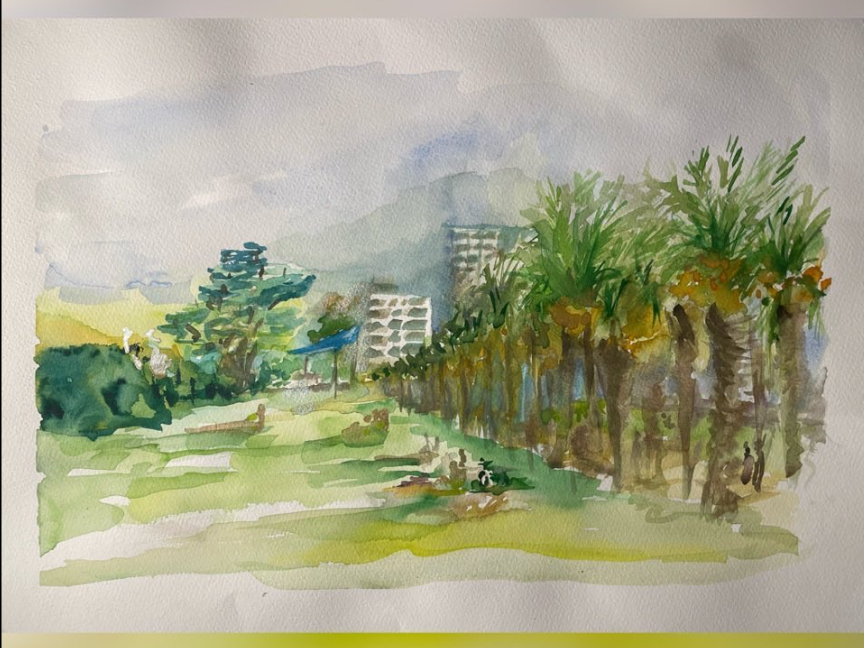
The St Kilda Foreshore Gardens are 15 acres of foreshore reclaimed by Carlo Catani amidst 27 acres of St Kilda shoreline that he designed and landscaped. Catani Gardens are seen to embody Mediterranean influences that Carlo gleaned from his European tour of 1912, which ’til today fixes Catani as one of Victoria’s chief place-makers.
– Victorian Collections on Carlo Catani
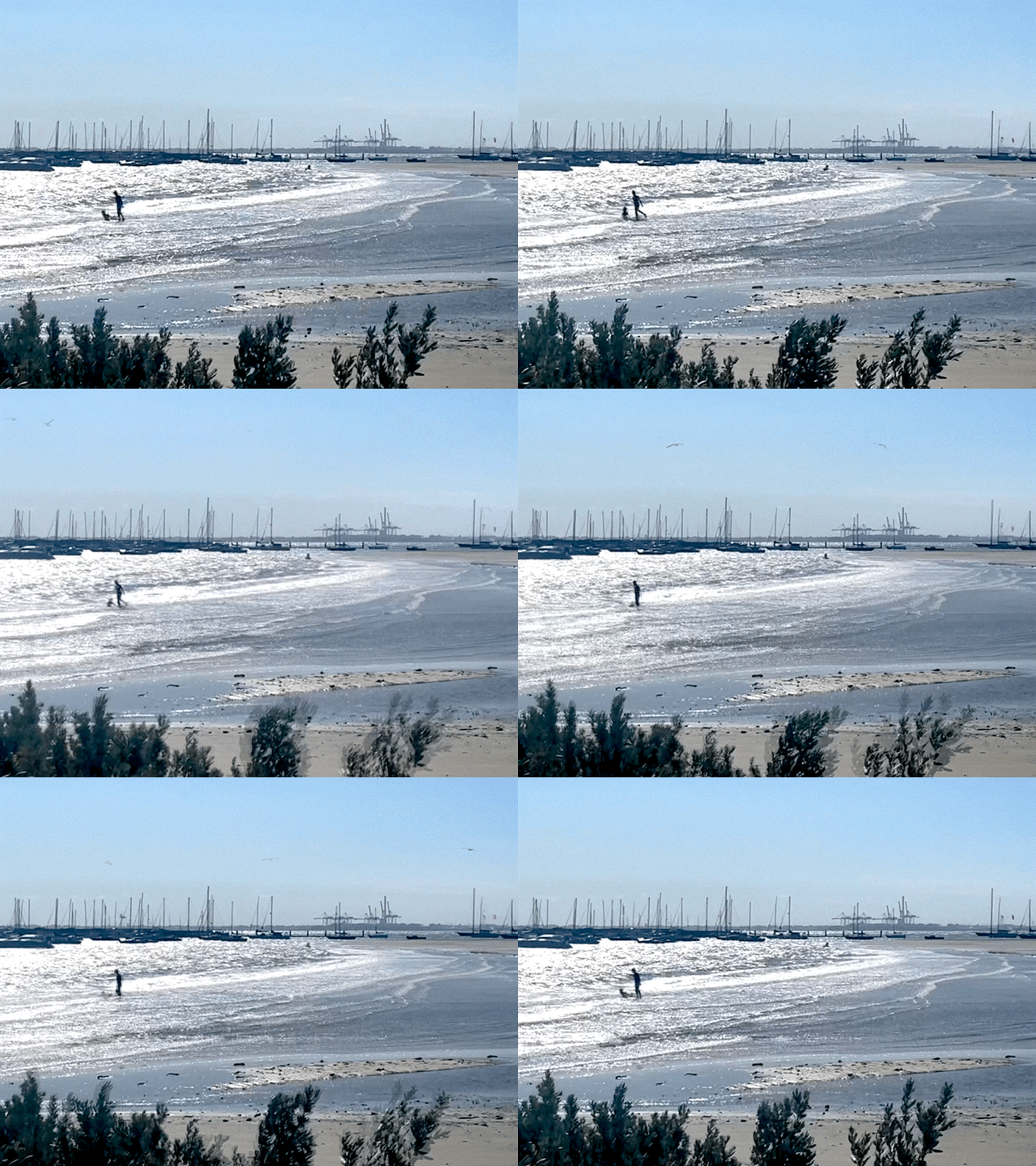
Heritage-listed Catani Gardens covers approximately six hectares of West St Kilda’s foreshore. This greenspace promenade and gathering place by the bay also serves as outdoor venue for music & arts festivals, dance parties, and leisure sports competitions held during the warmer Melbourne months, from the Spring Carnival in November to around the Easter holidays in March/April.

OUR TREASURED BAYSIDE SUBURB
West St Kilda residents worked with local community groups and local and state authorities to restore Catani Gardens and West Beach — the foreshore stretching from St Kilda Pier to Fraser Street.
“West Beach in St Kilda West, Victoria, was named the Overall Winner of the Keep Australia Beautiful National ‘Clean Beaches’ Awards in October 2016. Supported by the Port Phillip EcoCentre, the beach was recognised for its cleanliness, sustainable practices, and community engagement.
The award highlighted the effective partnership between the EcoCentre, local residents, businesses, and council in maintaining the beach, as well as the success of the Young Legends program. In addition to the top prize, the site was recognised for excellence in sustainability, litter prevention, and community education.”
“In 2017 realestate.com.au ranked Australian capital city suburbs by their access to schools, work opportunities, and a number of other factors. The top 10 suburbs were all in Victoria or Queensland. The nation’s ‘most livable’ suburb was St Kilda West (Albert Park came in at number 7 and Port Melbourne at number 9). As Melbourne was rated as the world’s most livable city from 2011 to 2017, we figure that St Kilda West must be the world’s most livable suburb! “ —Colin Fryer, President’s Report 2018 AGM

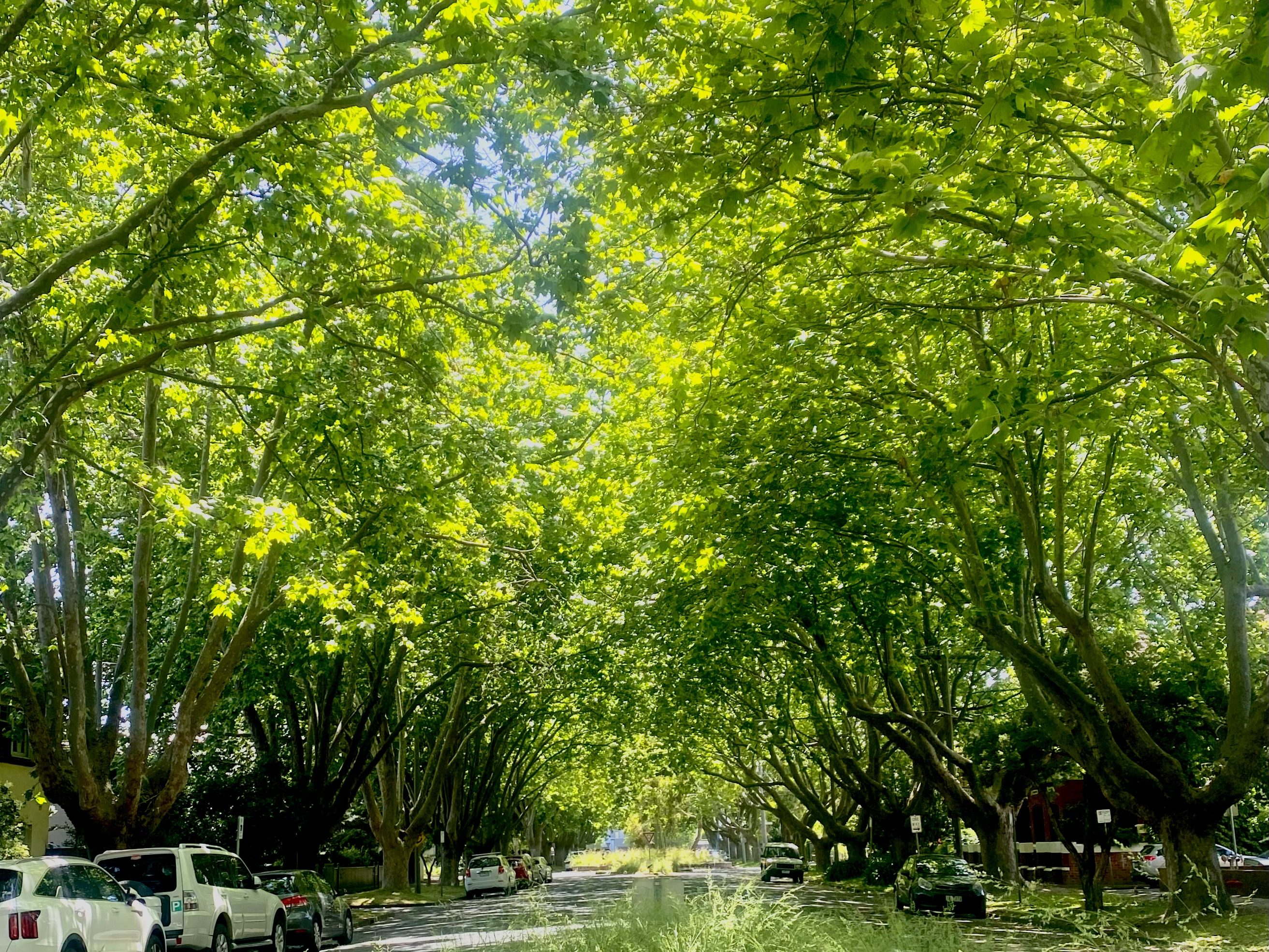
WELCOME TO OUR FORMER SWAMP
Within our borders:
Catani Gardens and St Kilda West Beach
Across the shallow water:
the Royal Melbourne Yacht Squadron marina berths
On the other side of the tram tracks:
Albert Park Reserve sporting clubs
On the other side of Fitzroy Street:
the Victorian Pride Centre, the Prince Of Wales Hotel, the Fifth Province & Freddie Wimpoles, Bistro Volière & Lucien, Banff, Chronicles Bar & Tom’s Liquor, Leo’s, Cone Heads, Di Stasio’s, Topolino’s
Along the foreshore:
Donovan ‘s, Stokehouse, Republica, Beachcomber, South Pacific Health Club, Sea Baths swimming pool, St Kilda Pier, West Beach Pavilion
On the Esplanade and Lower Esplanade:
The Espy, Luna Park, Palais Theatre
Along and around Acland Street:
Linden New Art, Theatre Works, The Vineyard, Abbey Road, Cicciolina, The National, Memo Music Hall, Artful Yoga, St Kilda Community Gardens/Veg-Out
On Blessington Street:
Johnny’s, Iddy Biddy, the St Kilda Botanical Gardens, Port Phillip EcoCentre
More about St Kilda Places here
Who lives in St Kilda West?
Find out from the 2021 Census