“Proximity has taught me some basic and humbling truths, including this vital lesson: Each of us is more than the worst thing we’ve ever done. My work with the poor and the incarcerated has persuaded me that the opposite of poverty is not wealth; the opposite of poverty is justice. Finally, I’ve come to believe that the true measure of our commitment to justice, the character of our society, our commitment to the rule of law, fairness, and equality cannot be measured by how we treat the rich, the powerful, the privileged, and the respected among us. The true measure of our character is how we treat the poor, the disfavored, the accused, the incarcerated, and the condemned.”
“But simply punishing the broken–walking away from them or hiding them from sight–only ensures that they remain broken and we do, too. There is no wholeness outside of our reciprocal humanity.” “We are all implicated when we allow other people to be mistreated. An absence of compassion can corrupt the decency of a community, a state, a nation. Fear and anger can make us vindictive and abusive, unjust and unfair, until we all suffer from the absence of mercy. And we condemn ourselves as much as we victimise others.”
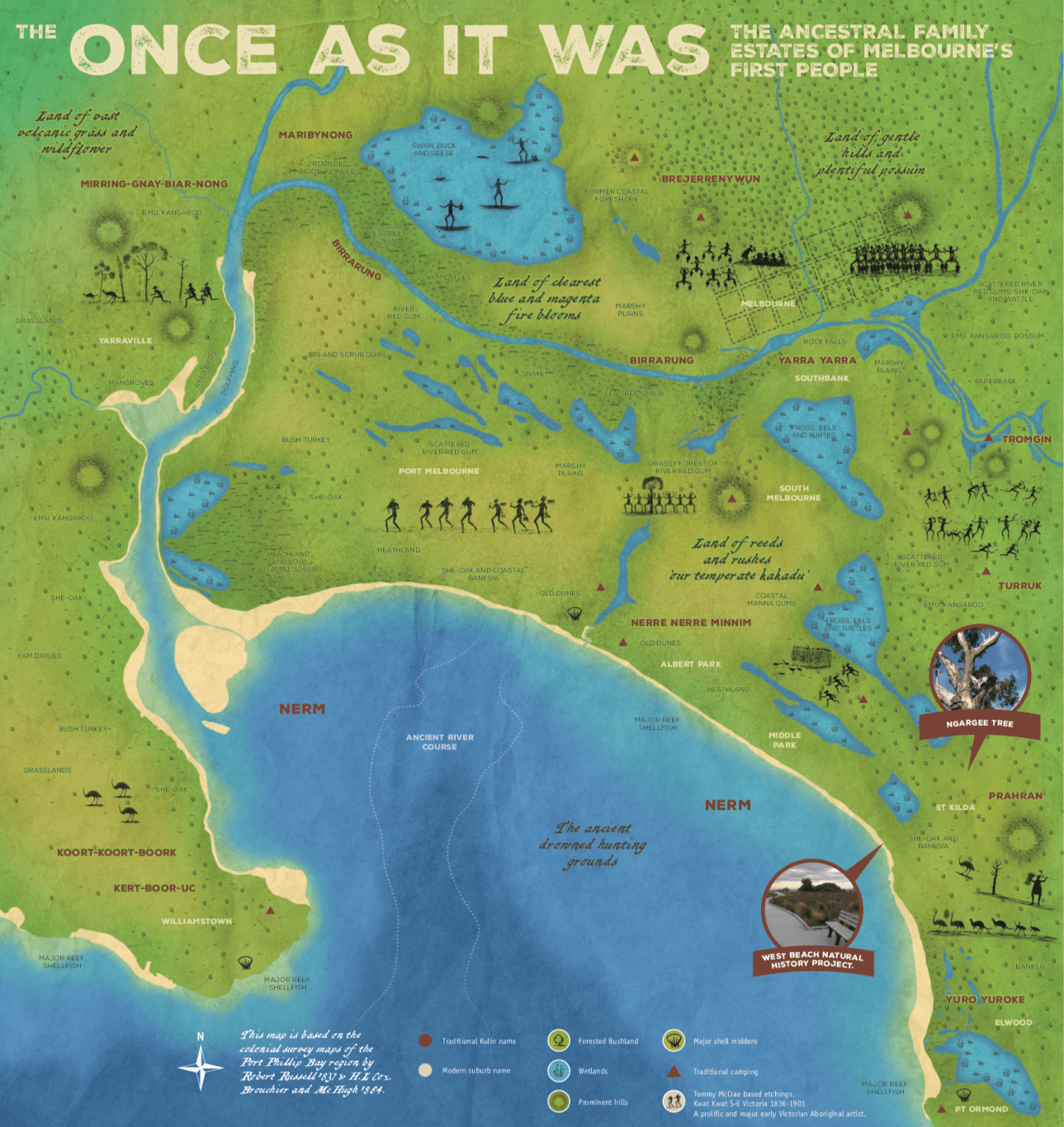
West St Kilda was built at the turn of the 19th century on reclaimed land, on roughly fifty hectares of the saltwater marshland at the edge of the Ancient Sea that the First Peoples of Australia called Nairm (Narrm, Naarm) — the great bay.
The West St Kilda Residents Association is an incorporated association registered with Consumer Affairs Victoria since 1999. It is non-sectarian and not politically partisan. It engages with all levels of government in the service of West St Kilda community interests.
Subscribe or Volunteer on the Committee to support the association’s work in your local area. Your annual subscription strengthens representation and helps fund the association’s biannual newsletters, annual general meetings, and social gatherings.
We acknowledge the Yaluk-ut Weelam Clan of the Bunurong Boon Wurrung peoples as the Traditional Custodians of the land on which we have gathered, to live, to love, and perhaps to play along the way.
We pay our respects to Elders past and present and recognise their enduring connection and continuing contribution to Country, culture, and community. We extend that respect to all Aboriginal and Torres Strait Islander peoples across Australia.
We acknowledge that sovereignty was never ceded and honour the ongoing struggle of First Nations peoples for justice, reconciliation, and a better future for all.
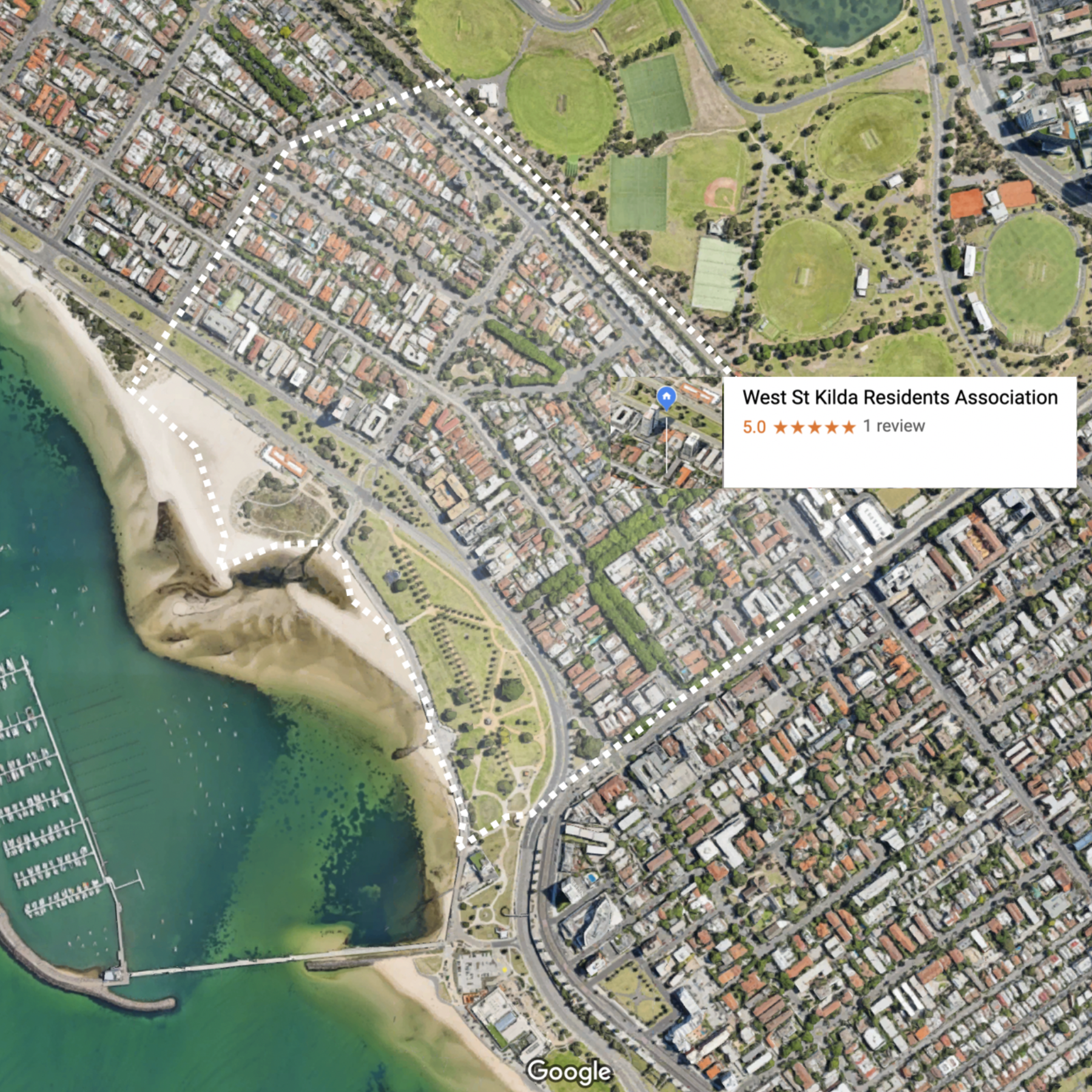
West St Kilda is an inner-city suburb of Melbourne, a parcel of prime land, sand and greenery sandwiched between Port Phillip Bay and Albert Park Reserve, garnished by West Beach and Catani Gardens, then topped off with a pickled Fitzroy Street.
WOMINJEKA EURO YUROKE BALLUK
West St Kilda is bounded by Beaconsfield Parade, Fraser Street, and the No. 96 tram line. Built on reclaimed marshland at the turn of the 19th century, West St Kilda occupies a relatively small part of the City of Port Phillip, wedged between Albert Park Reserve & Port Phillip Bay at their narrowest convergence.
Mixing the sometimes confronting character of Fitzroy Street & St Kilda to its south-east with the urban gentility of Middle & Albert Parks to its north-west, this densely populated area is dotted with early 20th century flats & post-war apartment blocks, while featuring some of the most exuberant post-Victorian domestic architecture in Australia. With a little imagination, combined with the changing light at different times of the day or year, you may easily sense the atmosphere and drama of a bygone era in several of its streetscapes.
Before European settlement in what is now known as St Kilda, Australia’s First Peoples called it Euro Yuroke, from the Boon Wurrung language of the Yaluk-ut Weelam Clan of the Bunurong Boon Wurrung peoples—the original inhabitants and traditional custodians of this land, its waters and air. Always was, always will be, Aboriginal land.
“The Yaluk-ut Weelam (or Yalukit Willam) clan is one of the six clans of the Bunurong Boon Wurrung peoples, part of the greater Kulin Nation. Their name translates to “river home” or “people of the river”.
—Traditional Country
Their traditional estate encompasses Central Melbourne (the CBD), extending south through St Kilda, Port Melbourne, South Melbourne, and Toorak. Before European settlement in 1835, this area was a rich, marshy wetland complex—often described as a temperate Kakadu—filled with lagoons, swamps, and abundant wildlife.
—Creation and Culture
Bundjil: According to Boon Wurrung law, the landscape, rivers, and oceans were carved out by the creator spirit Bundjil, who travelled across the country as a wedge-tailed eagle.
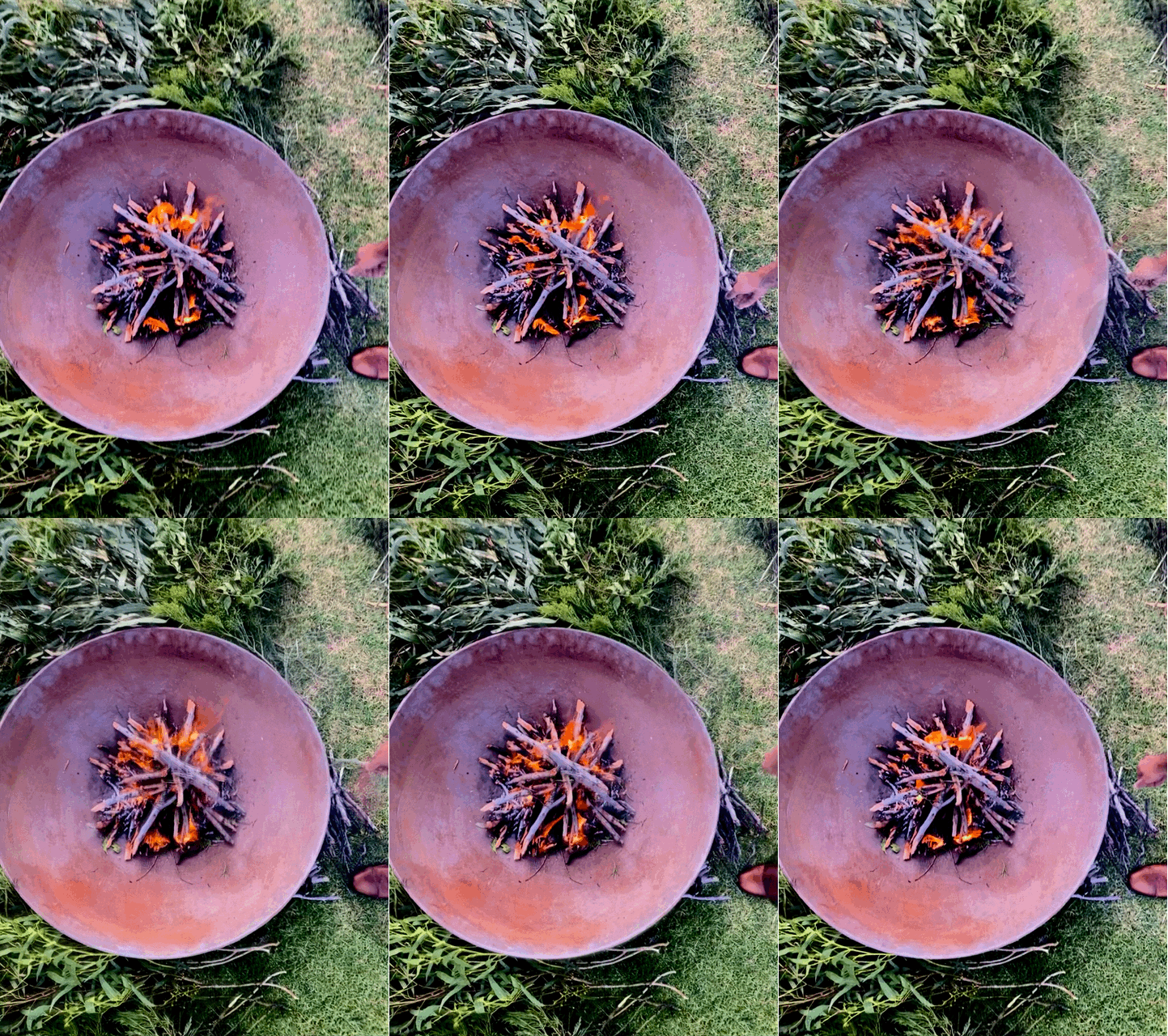
Sustainable Living: The Yaluk-ut Weelam managed the landscape using precise fire-stick farming. This method encouraged the growth of murnong (yam daisies) and managed local ecosystem resources. They fished for eels, hunted game, and gathered coastal resources.
The Kulin Gathering Place: Central Melbourne served as an important meeting ground for the wider Kulin Nation. It hosted inter-clan trade, marriages, judicial matters, and sacred ceremonies.
—Significant Local Landmarks
The Ngargee Tree: A sacred, 300-year-old Corroboree Tree still stands near the corner of Fitzroy Street and Queens Road in St Kilda, bearing witness to generations of gatherings.
Point Ormond: Historically known as a lookout point, a source of ochre for ceremonies, and a significant cooking site.
Yalukit Willam Nature Reserve: The former 13-hectare golf course in Brighton is being transformed back into a wetland reserve to honour the clan’s ancestral connection to the landscape.”—Google Gemini
Various theories have been proposed for the word Kilda’s origin, which dates from the late 16th century. No saint is known by the name.
Haswell-Smith (2004) notes that the full name St Kilda first appears on a Dutch map dated 1666, and that it might have been derived from Norse sunt kelda (“sweet wellwater”) or from a mistaken Dutch assumption that the spring Tobar Childa was dedicated to a saint. (Tobar Childa is a tautological placename, consisting of the Gaelic and Norse words for well, i.e., “well well“.) Scottish writer Martin Martin, who visited in 1697, believed that the name “is taken from one Kilder, who lived here; and from him the large well Toubir-Kilda has also its name.”
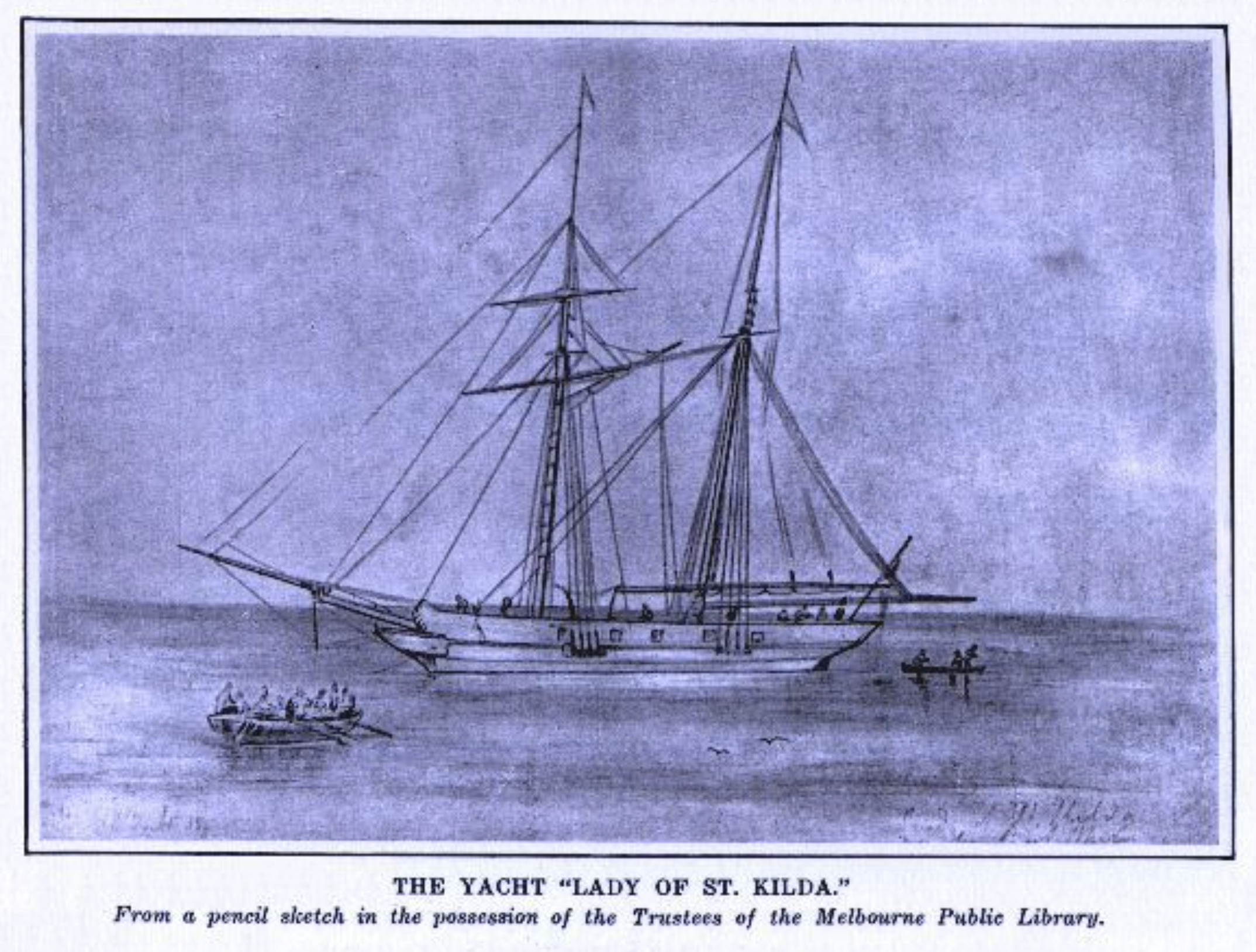
There’s never been a Saint Kilda That suburb by the bay was named for a sailing ship named after a lady Jailed on an island by her husband… way to the west of Scotland
And that St Kilda archipelago’s dodgy etymology may well well involve a two-tongue tautology Doubly dubbed in Gaelic and Norse, Tobar Childa, is where Martin Martin sought the source But the main island and another further afield translate as Deathly, Westerly, Shepherd or Shield That’s Hirta and Skildar, which led, for sure, to a helter skelter of nomenclature Through decades of maps, names morphed and swapped spots, Skildar lost an R, but it gained a dot After the S and thence folks must’ve surmised that someone called Kilda had been canonised Beatified with the power to bewilder
But there’s never been a Saint Kilda That suburb by the bay was named for a sailing ship named after a lady Jailed on an island by her husband… way to the west of Scotland
Rachel Chiesley was ten years old when she saw her father hung Hanged, for the murder of the judge who has settled his divorce, thus Rachel, too, was highly strung But she found a beau in James, Lord Grange, and their marriage produced nine kids But as her looming gloom consumed her groom, their doomed union was soon on the skids Yeah, but James was Jacobite rebel and Rachel had threatened to expose his sympathies So he faked her death and had her forcibly transported westerly through the Hebrides For eight years she’d languish, she didn’t speak the language, the arctic gales they chilled her Then she was moved to Skye, again to falsely die, another three years mustn’t’ve thrilled her ’Til her third death sadly stilled her heart
But There’s never been a Saint Kilda That suburb by the bay was named for a sailing ship named after a lady Jailed on an island by her husband… way to the west of Scotland
Sir Thomas Acland’s wife was touched by Lady Grange’s tragic tale So Thom named his schooner the Lady of St Kilda and soon for Melbourne it set sail And there on the north-east Port Phillip shore, it was moored for more than a year So, rather than Punk Town, Green Knoll or Fareham, the faux holy handle did indelibly adhere Indeed, on the whim of the wife of a boat builder
There’s never been a Saint Kilda That suburb by the bay was named for a sailing ship named after a lady Jailed on an island by her husband… way to the west of Scotland
Hmmm, but was the lady, in truth, Hirta’s Female Warrior? And what of the monk and the spring? Forsooth, the mystery history of the moniker donned upon this Hobson Bay foreshore’s a convoluted thing And the city name blame game aim of this little ditty’s now pretty fairly fulfilled, aahh…
But if there were a Saint Kilda Then maybe they’d be named the patron saint of hardy hot-headed women Hard-done by cagey cold-hearted men Of crazy etymology crossing geography and canonising cartography, but then again
There’s never been a Saint Kilda That suburb by the bay was named for a sailing ship named after a lady Jailed on an island by her husband… way to the west of Scotland
Throughout Carlo Catani’s positions at the Lands and Public Works Departments as surveyor and draughtsman and his latter engineering roles he was crucial to the development of our late colonial through to early state arterial roadways.
The St Kilda Foreshore Gardens are 15 acres of foreshore reclaimed by Carlo Catani amidst 27 acres of St Kilda shoreline that he designed and landscaped. Catani Gardens are seen to embody Mediterranean influences that Carlo gleaned from his European tour of 1912, which ’til today fixes Catani as one of Victoria’s chief place-makers.
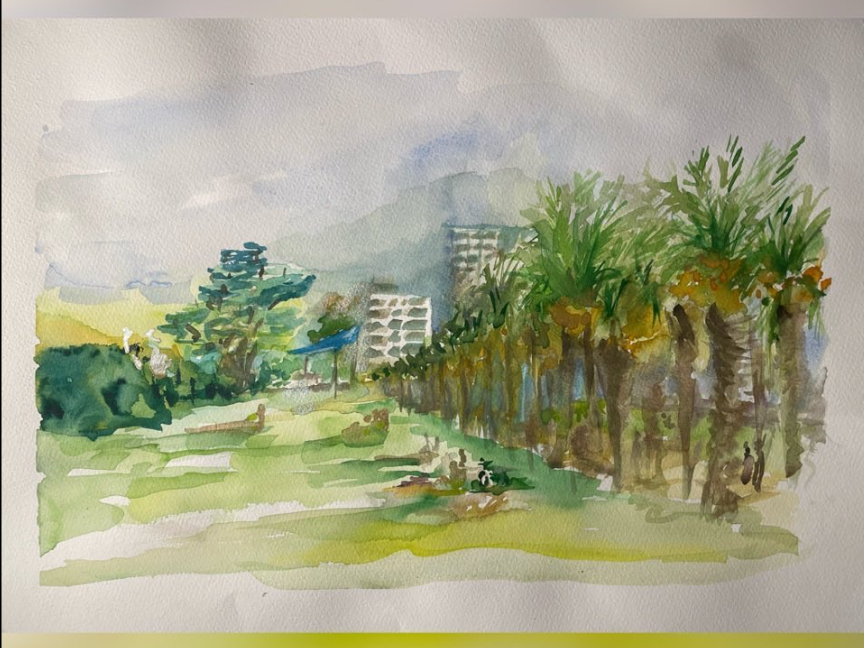
Heritage-listed Catani Gardens covers approximately six hectares of West St Kilda’s foreshore. This greenspace promenade and gathering place by the bay also serves as outdoor venue for music & arts festivals, dance parties, and leisure sports competitions held during the warmer Melbourne months, from the Spring Carnival in November to around the Easter holidays in March/April.
Melaleuca alternifolia at Catani Gardens. This ancient tea tree was last seen in the Spring of 2023. Image Gerome Villarete MelbourneUnleash man’s best friend. All of West Beach — from St Kilda Pier to Fraser Street — is a dog beach year-round. Image Gerome Villarete Melbourne
OUR TREASURED BAYSIDE SUBURB
West St Kilda residents worked with local community groups and local and state authorities to restore Catani Gardens and West Beach — the foreshore stretching from St Kilda Pier to Fraser Street.
The award highlighted the effective partnership between the EcoCentre, local residents, businesses, and council in maintaining the beach, as well as the success of the Young Legends program. In addition to the top prize, the site was recognised for excellence in sustainability, litter prevention, and community education.”
“In 2017 realestate.com.au ranked Australian capital city suburbs by their access to schools, work opportunities, and a number of other factors. The top 10 suburbs were all in Victoria or Queensland. The nation’s ‘most livable’ suburb was St Kilda West (Albert Park came in at number 7 and Port Melbourne at number 9). As Melbourne was rated as the world’s most livable city from 2011 to 2017, we figure that St Kilda West must be the world’s most livable suburb! “ —Colin Fryer, President’s Report 2018 AGM
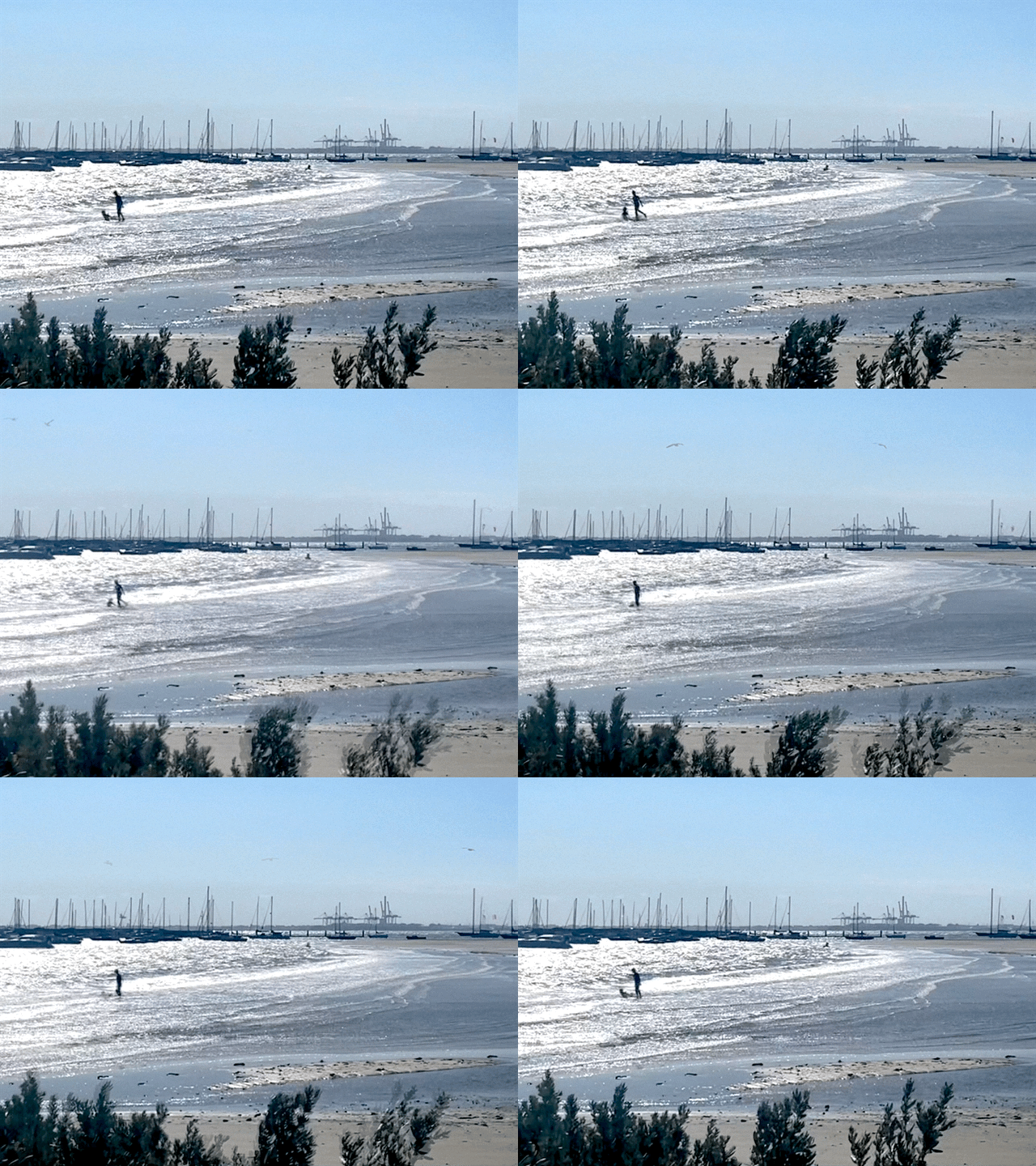
West Beach on windy days. Image Gerome Villarete MelbourneMary Street, West St Kilda. Image Gerome Villarete Melbourne
WELCOME TO OUR FORMER SWAMP
Within our borders: Catani Gardens and St Kilda West Beach
Across the shallow water: the Royal Melbourne Yacht Squadron marina berths
On the other side of the tram tracks: Albert Park Reserve sporting clubs
On the other side of Fitzroy Street: the Victorian Pride Centre, the Prince Of Wales Hotel, the Fifth Province & Freddie Wimpoles, Bistro Volière & Lucien, Banff, Chronicles Bar & Tom’s Liquor, Leo’s, Cone Heads, Di Stasio’s, Topolino’s
Along the foreshore: Donovan ‘s, Stokehouse, Republica, Beachcomber, South Pacific Health Club, Sea Baths swimming pool, St Kilda Pier, West Beach Pavilion
On the Esplanade and Lower Esplanade: The Espy, Luna Park, Palais Theatre
Along and around Acland Street: Linden New Art, Theatre Works, The Vineyard, Abbey Road, Cicciolina, The National, Memo Music Hall, Artful Yoga, St Kilda Community Gardens/Veg-Out
On Blessington Street: Johnny’s, Iddy Biddy, the St Kilda Botanical Gardens, Port Phillip EcoCentre
Who lives in St Kilda West? Find out from the 2021 Census
Panel 2
The Residents Association
The West St Kilda Residents Association is a not-for-profit, volunteer, community-based organisation of West St Kilda residents. It is non-sectarian and not politically partisan. Its general objective is to serve the community interests of West St Kilda residents.
The West St Kilda Residents Association aims to provide an open and public forum for all West St Kilda residents to express their views and to be informed on issues relating to their community.
– Preserving and enhancing neighbourhood character and residential amenity – Town planning, traffic management, parking regulation and public transport, and – Preservation of heritage buildings.
The West St Kilda Residents Association promotes integrated planning, active consultation, communication and engagement between all stakeholders in the neighbourhood.
The West St Kilda Residents Association was formed on 23 March 1999 at a public meeting of about 100 residents of the West St Kilda area at what was then the West St Kilda RSL Club at 23 Loch Street.
The membership adopted Model Rules for an Incorporated Association and applied for incorporation on 8 June 1999 under the Associations Incorporations Act of 1981. This was granted on 18 June 1999.
After the Victorian State Government passed the Associations Incorporation Reform Act of 2012, the West St Kilda Residents Association Committee drafted a set of rules based on the new model, with changes to suit our specific requirements. These were approved at the 13 November 2013 AGM and accepted by Consumer Affairs Victoria.
The West St Kilda Residents Association is non-sectarian and not politically partisan.
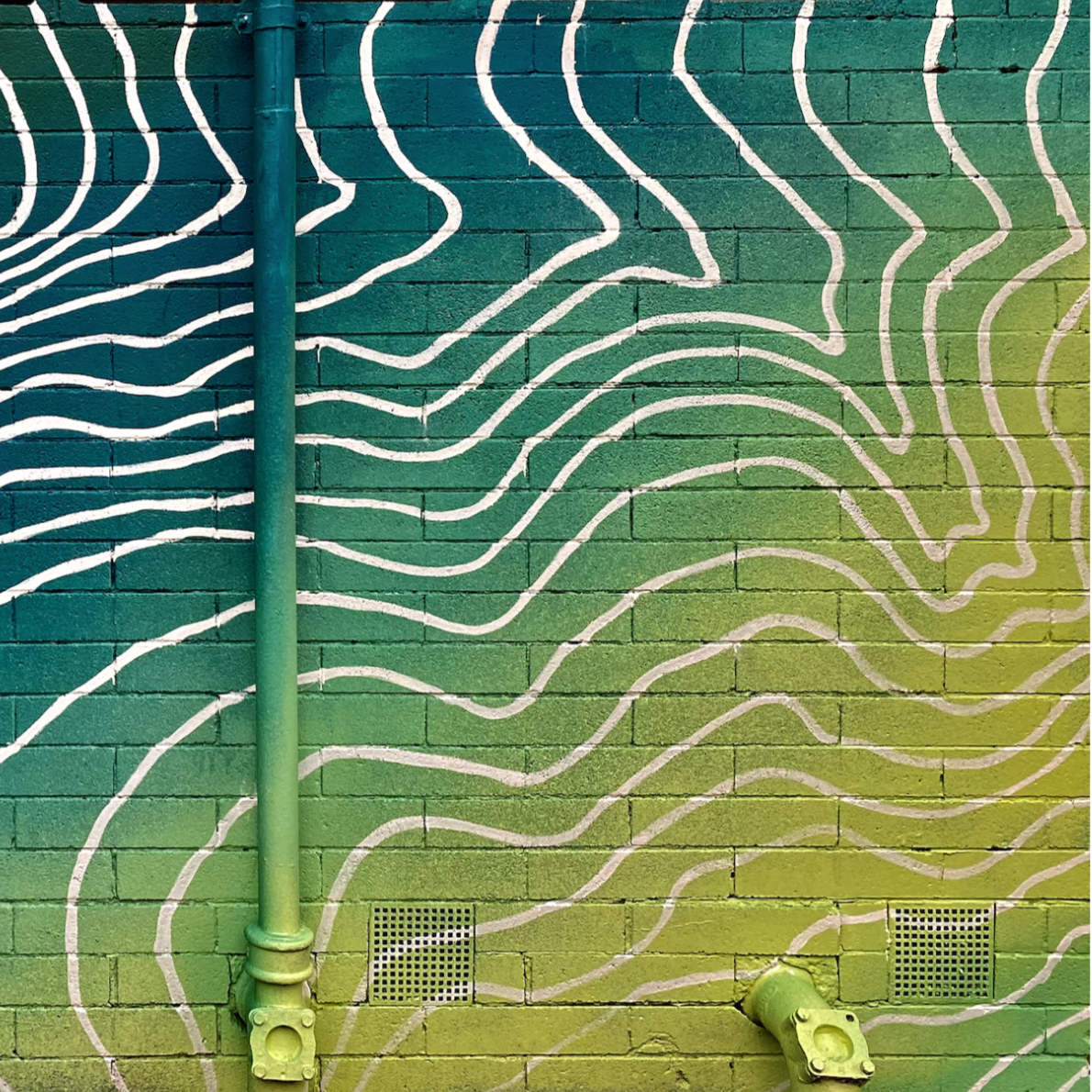
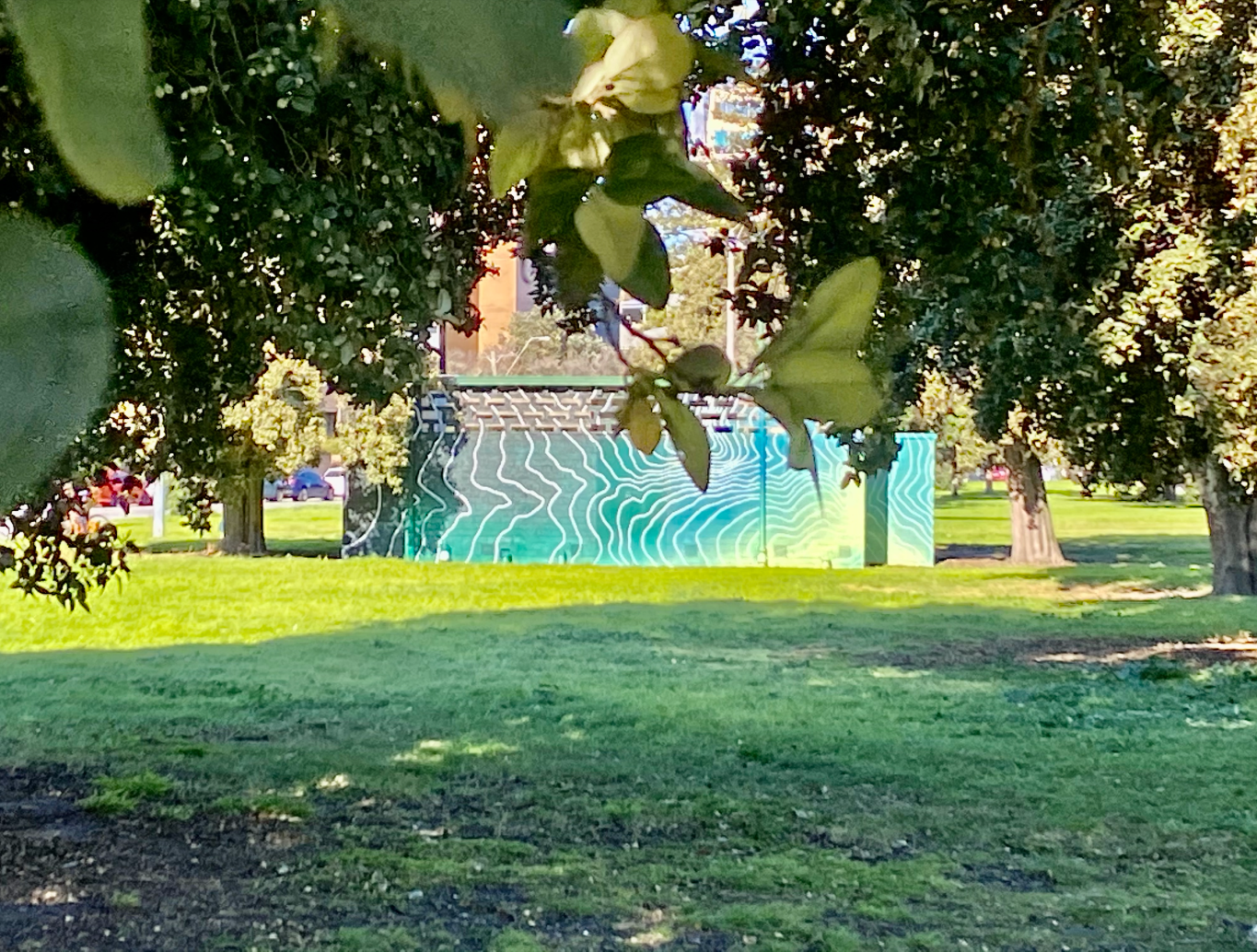
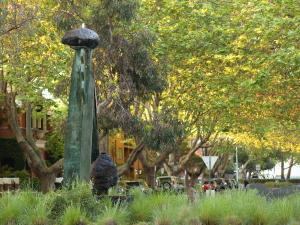
Contours Of Catani (2021) by Buff Diss Artist. Image Gerome Villarete Melbourne
CONTOURS OF CATANI A public amenity uplift project
One of the public toilets in West St Kilda is located in Cummings Reserve, on the wide nature strip on Beaconsfield Parade. Its location is in a prime entertainment, sports, leisure and residential area in one of Melbourne’s treasured beachside locations.
The old brick toilet block had been slated for demolition by Port Phillip City Council, but due to more delays in the implementation of plans and the severe lack of upkeep, the public amenity had become a local blight. It is, however, a perfect canvas for public art.
That old, dilapidated toilet block is now a welcome community landmark, albeit still looking a bit run down once you walk in. We can only encourage Council to consider building the planned new public toilets next to the existing structure or in another location nearby, or to come up with a novel design that integrates the old structure; after all, this open-air brick toilet block must be one of the last of its generation in our bayside city.
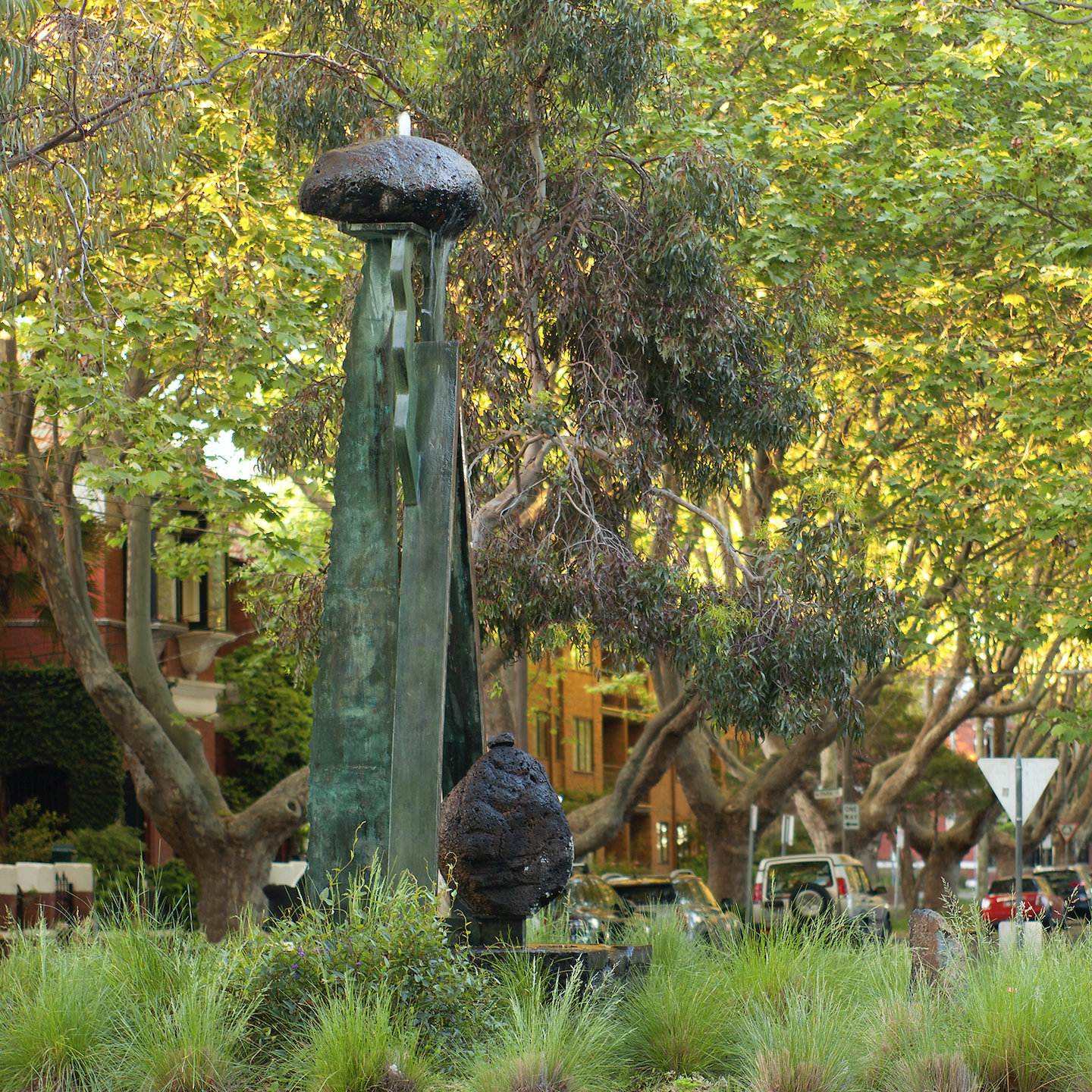
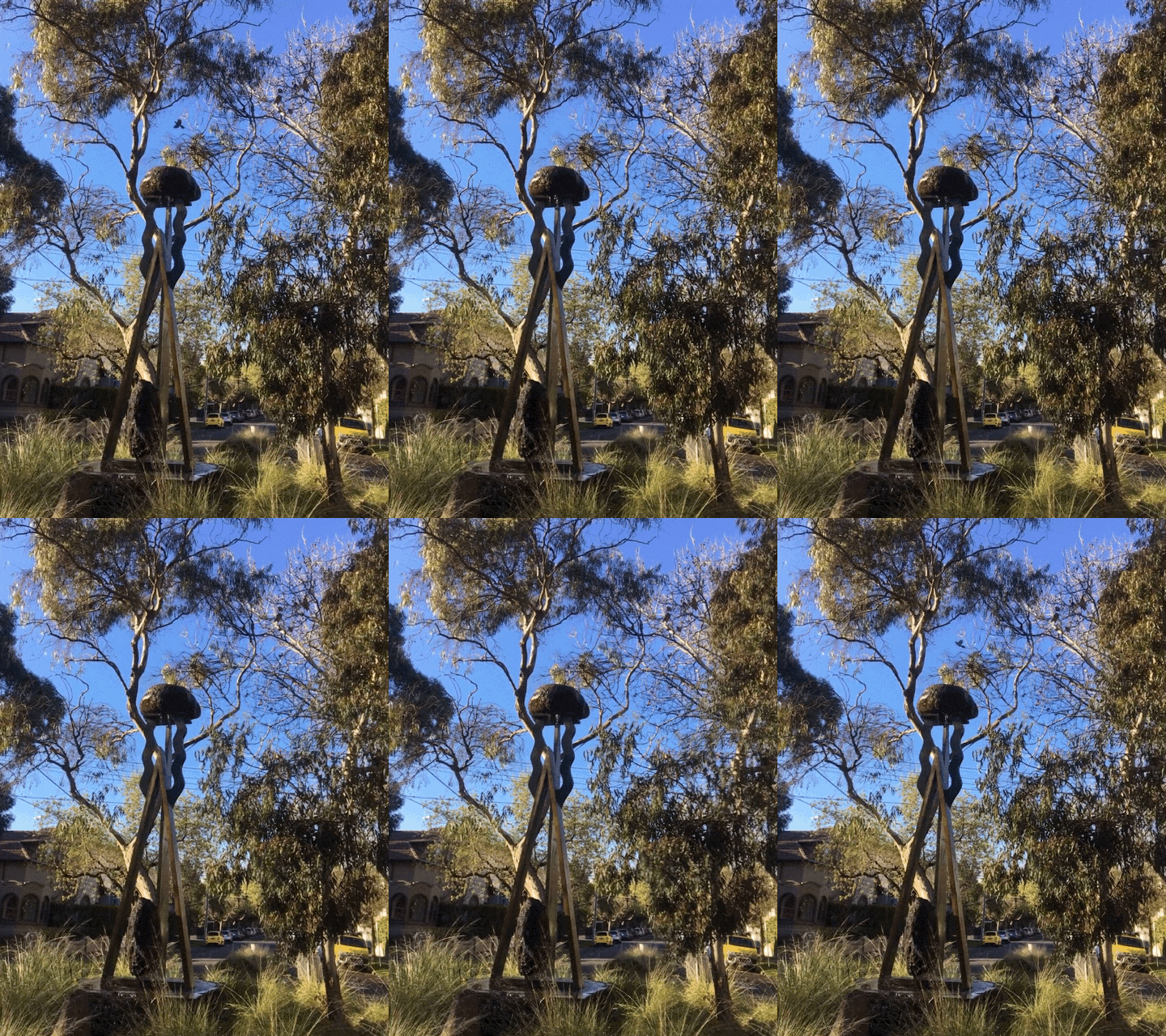
Bay Totem (2001) by Peter Blizzard, Artist. Image Robert Hamer
“Artists are invited to submit concepts for a sculpture fountain that both meets the commemorative aspect of Federation and blends harmoniously with a spectacular yet sensitive environment. It is envisaged that the proposed installation should be enduring and provide a new icon of historical and cultural significance to the City of Port Phillip and greater Melbourne. The aim of the project is to mark one hundred years of Australian nationhood around a theme that may be described as ‘emerging together’- a concept equally relevant to Australia in the next one hundred years as we tackle the remaining tests of tolerance and reconciliation. The water element symbolic of continuity and an ongoing process of calmness and healing. In developing this theme artists may wish to consider Federation in its broadest context: how do we view it, what does it mean to us? How to describe in visual terms what came out of this era—an upsurge of new ideas and international influences, a wider recognition of the hemisphere in which we live, or a re-affirmation of our own national identity?
Alternatively, we may see this process in human terms: as a new beginning, to give us an occasion to review our history and challenge attitudes to Indigenous cultures and to successive immigrant groups. It may also be a spiritual journey, contemplative and reassuring of our ability to connect, change and evolve over time.”
Commissioned jointly by the City of Port Phillip and the West St Kilda Residents Association.
Panel 3
Why Engage With Local Community Groups?
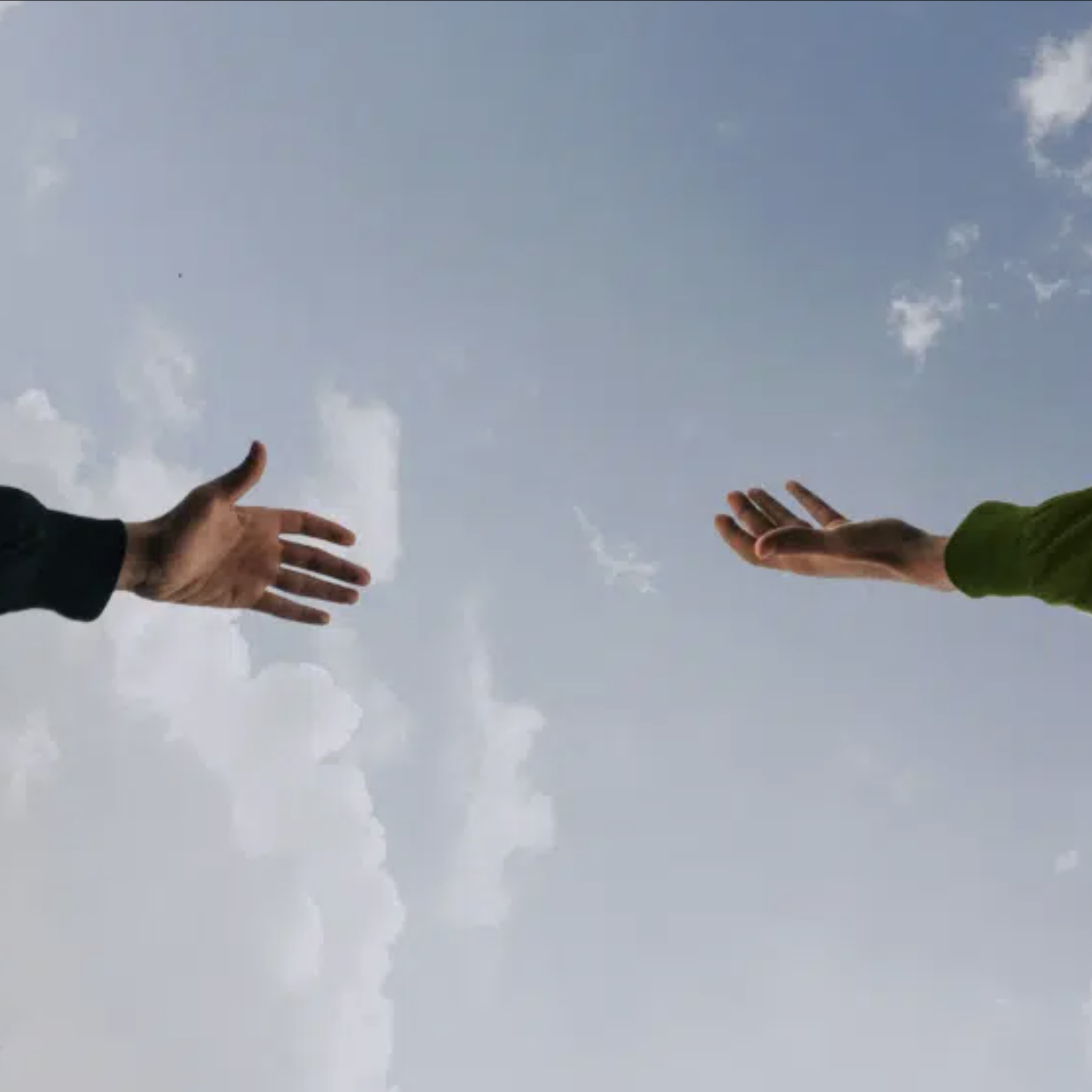
Image from Unsplash by Youssef Naddam, Public Domain Dedication (CCo).
“There’s a way a disaster throws people into the present and sort of gives them this supersaturated immediacy that also includes a deep sense of connection. It’s as though in some violent gift you’ve been given a kind of spiritual awakening where you’re close to mortality in a way that makes you feel more alive; you’re deeply in the present and can let go of past and future and your personal narrative, in some ways. You have shared an experience with everyone around you, and you often find very direct, but also metaphysical senses of connection to the people you suddenly have something in common with.
“And then oftentimes, the people who do the really important work in disasters, which doesn’t get talked about much, are the neighbours. Who’s going to rescue you when your building collapses? When the ice storm comes and the power goes out? It’s probably going to be the neighbours.
“And so the question is really like two things. One is how can we get there without going through a disaster, and …”
Prologue to Rebecca Solnit’s 2009 book A Paradise Bull In Hell: The Extraordinary Communities That Arise In Disaster. The essay explores how catastrophes often bring out the best in humanity, fostering spontaneous mutual aid, altruism, and deep social connection.
Communities falling together by proximity and the proximate
Traditional views, such as those of Ferdinand Tönnies, emphasise physical closeness, where Gemeinschaft describes communities formed through shared space and strong interpersonal ties. However, modern perspectives show that proximity alone does not guarantee meaningful connection.
Émile Durkheim highlights how complex societies rely on interdependence rather than emotional closeness, while Benedict Anderson demonstrates that communities can be “imagined,” sustained through shared identity rather than physical interaction. Thus, the proximate—social, emotional, and symbolic closeness—can exist without geographic proximity.
A community, therefore, is best defined as a network of relationships shaped not only by spatial nearness but by the depth of connection, shared meaning, and ongoing interaction among its members.
Engaging with local community groups matters because it strengthens both everyday life and broader social wellbeing.
At the most immediate level, neighbours are the people you are in closest proximity to, making them the most accessible source of support. Regular interaction builds trust, which can translate into practical benefits like sharing resources, improving safety, and providing help in emergencies. These repeated, face-to-face encounters also foster what sociologists call social cohesion—a sense of belonging and mutual responsibility.
From a theoretical perspective, engaging with neighbours helps move relationships from impersonal coexistence toward the more connected form described by Ferdinand Tönnies as Gemeinschaft. It transforms mere proximity into the proximate—meaningful social ties. Similarly, it strengthens the kind of shared norms and trust that Émile Durkheim associated with social solidarity.
Ultimately, engaging with local community groups or connecting with locals at the local pub—or local café—where you are also likely to bump into neighbours can turn a place of residence into a community of people with a shared sense of belonging, enhancing wellbeing, resilience, life in general.
Cultivating a robust community spirit calls for transcending constructed identities and anchoring ourselves in what is fundamentally human: openness, curiosity, kindness, generosity of spirit.
Links To Community-Building And Community Support Groups In Proximity
“And now here is my secret. It is quite simple. It is only with the heart that one can see rightly. What is essential is invisible to the eye.” From The Little Prince (1943) —Antoine de Saint-Exupéry
[Antoine de Saint-Exupéry was born on June 29, 1900, in Lyon, France. The renowned French writer, poet, and aviator authored and illustrated the beloved 1943 classic “The Little Prince,” which continues to captivate readers across generations. In honour of Saint-Exupéry’s literary legacy, every June 29 is also celebrated as International Little Prince Day.]
Fred Rogers testifies before the Senate Subcommittee On Communications (May 1, 1969)
“One of the first things that a child learns in a healthy family is trust.” —Fred Rogers
Q: What do Aussies mean when they use the word local? What’s the difference between a local and a neighbour? A: [ChatGPT verbatim]:
In Australian English, “local” usually means “from around here” or “the regular place/person from your area.” The exact meaning depends on context:
The local = the neighbourhood pub “We’re heading to the local after work.”
A local = someone who lives nearby “Ask a local where to eat.”
Local shops/businesses = independently owned or community-area businesses “Try to support local.”
Local footy team = the team from your suburb/town
Australians also use it socially — if someone says “He’s a local,” it can imply the person is known around the area and part of the community.
A few very Aussie examples:
“Just down at the local.” → Probably the pub.
“Buy local.” → Support nearby Australian producers/businesses.
“Not a local, are ya?” → You seem new to the area.
Compared with American English, Aussies use “the local” for the pub much more commonly.
“Local” and “neighbour” overlap a bit, but they mean different things in Australian English.
They could live nearby, but not necessarily next door.
Neighbour = a person who lives next to you or very close to you. “Our neighbour borrowed the lawn mower.” It’s specifically about where someone lives relative to you.
Local = someone from the area generally. “The locals know the best beach.”
Your neighbour is probably a local. A local is usually not your neighbour.
Also, “the local” almost always means the local pub in Australia. “Neighbour” never has that meaning.
“You can choose your friends but you sho’ can’t choose your family…” —Harper Lee, To Kill A Mockingbird
By extension: “You can choose your local, but you can’t choose your neighbours.”
By anonymous: “People buy homes, but they live among neighbours.” “Good neighbours increase property value.”
Q: Why is neighbourliness important and how is neighbourliness practiced, particularly in dense inner-city suburbs? A: [ChatGPT verbatim]:
Neighbourliness matters because human wellbeing depends partly on the quality of everyday social environments. People who feel connected to those around them generally experience greater safety, trust, resilience, and belonging. In neighbourhoods where residents know and help one another, problems are noticed earlier, public spaces are treated with more care, and crises — illness, storms, emergencies, isolation — become easier to manage collectively.
Some of the main reasons neighbourliness matters:
Creates safety and trust Familiar neighbours are more likely to notice suspicious activity, check in during emergencies, or help when something goes wrong.
Reduces isolation Even brief friendly interactions can improve mental wellbeing and create a sense of belonging.
Makes shared spaces function better Respectful behaviour around noise, cleanliness, parking, bins, lifts, and common areas reduces conflict.
Builds resilience during difficulties Communities with stronger local ties cope better during heatwaves, blackouts, lockdowns, illness, or financial hardship.
Strengthens social cooperation Small habits of courtesy encourage reciprocity. People become more willing to help when help is normalised.
Neighbourliness usually develops through small repeated actions rather than dramatic gestures.
How to practice neighbourliness:
Learn and use people’s names Greeting neighbours by name creates recognition and lowers social distance.
Practice everyday courtesy Hold doors, keep shared areas tidy, return misplaced parcels, or help someone carrying groceries or a pram.
Respect shared living conditions Keep noise reasonable, especially late at night, and communicate politely if hosting visitors or renovations.
Start with small conversations Brief chats in lifts, corridors, gardens, mailrooms, or outside buildings help familiarity grow naturally.
Offer practical help Share useful information about local services, transport, recycling rules, childcare, tradespeople, or safety concerns.
Participate constructively in local or building matters Whether in a residents’ group, owners corporation, or tenant discussion, calm participation improves collective life.
Be considerate of diversity Neighbourhoods often include people of different ages, cultures, languages, schedules, and lifestyles. Flexibility and curiosity help people coexist respectfully.
Respect privacy Good neighbours are available and approachable without becoming intrusive. Reliability matters more than forced closeness.
Check in during difficult times A short message during illness, extreme weather, or emergencies can make people feel supported and less alone.
At its best, neighbourliness creates an environment where people feel both independent and connected — free to live privately, but confident that others nearby are attentive, respectful, and willing to help when needed.
Neighbourliness is especially important in dense urban areas because people live in close proximity while often remaining socially distant. Without some degree of mutual consideration, shared living can become anonymous, tense, and fragmented.
Practicing neighbourliness in dense inner-city areas is less about grand gestures and more about creating low-friction familiarity, trust, and mutual usefulness. In places where people share walls, lifts, bins, noise, and safety concerns — small repeated interactions matter more than suburban-style “drop in anytime” culture.
A few approaches that work particularly well in apartment-heavy suburbs:
Learn and use people’s names Even brief recognition changes the atmosphere of a building. Saying “Morning, Priya” in the lift is more neighbourly than long anonymous coexistence.
Start with micro-interactions Hold doors, help with prams or groceries, collect a parcel, alert someone to a delivery, or mention a maintenance issue politely. Apartment neighbourliness is often practical before it becomes social.
Respect shared soundscapes In dense living, consideration is social glue. Keeping noise reasonable, warning neighbours before gatherings, and responding graciously to complaints builds trust faster than friendliness alone.
Use common areas intentionally Courtyards, rooftops, laundry rooms, mail areas, and foyers can become social “edges.” A short conversation while checking mail often works better than forcing formal community events.
Create lightweight rituals Examples:occasional lobby coffee mornings, a shared herb shelf.
Normalize small acts of care Check in during heatwaves, storms, illness, or lockdowns. Inner-city living can feel isolating despite physical closeness.
Participate in building governance without becoming combative Owners corporations/body corporates often become conflict zones. Calm, constructive participation is one of the most valuable forms of neighbourliness because it improves everyone’s daily environment.
Make diversity an asset instead of a barrier Inner-city apartment blocks often contain students, migrants, retirees, shift workers, families, and temporary renters together. Curiosity and flexibility matter more than assuming one “community culture.”
Avoid over-intimacy too quickly Many apartment residents value privacy highly. Good neighbourliness often means being reliably pleasant and available without demanding emotional closeness.
Share information generously Recommendations for local tradespeople, cafés, childcare, transport shortcuts, recycling rules, or safety alerts help people feel locally anchored.
Q: So, who are the people in your neighbourhood? A: [Take it from Sesame Street]
And there they are at the Tiny Desk: Big Bird, Bert and Ernie, Rosita, Abby Cadabby and Cookie Monster, all singing about a sunny day and how everything is A-OK. The Sesame Street crew — including Elmo, Grover and other surprise guests — visited NPR’s headquarters in Washington, D.C., to celebrate Sesame Street’s 50 years of teaching the world its A-B-Cs, its 1-2-3s, how to be kind and how to be proud, all while spreading love and joy. Sesame Street has won more major awards than any other group to play the Tiny Desk, including 11 Grammys and 192 Emmys. There was a lot of love as the cast of Sesame Street got to meet NPR hosts and newscasters, who in turn got to geek out meeting their favourite Muppets and the creators behind the felt and fur. These folks include Matt Vogel, Sesame Street’s puppet captain and performer, and music director Bill Sherman. —NPR Tiny Desk
If what I am is what’s in me Then I’ll stay strong That’s who I’ll be And I will always be the best Me that I can be There’s only one me that is yet Have a dream I’ll follow it It’s up to me to try (drums) Oh, imma keep my head up high… HIGH! Keep on reachin’ high… HIGH! Never gonna quit I’ll keep gettin’ stronger. And nothins gonna bring me down… NO! Never gonna stop gotta go… GO! Because I know I’ll keep gettin’ stronger.
And what I Am is THOUGHTFUL. And what I AM is MUSICAL. And what I AM is MAGICAL. And what I AM is HELPFUL. And what I AM is BRAVE. And what I AM is SPECIAL. There’s nothing WE can’t achieve Because in ourselves I believe and Oh! Gonna keep our heads up high… HIGH! Keep on reachin’ high… HIGH! Never gonna quit I’ll be gettin’ stronger. And nothins’ gonna bring us down… NO! Never givin’ up gotta go… GO! cause I know I’ll keep gettin’ stronger.
What I AM is SUPER. What I AM is PROUD. What I AM is FRIENDLY. What you are is SPECIAL. There’s nothing WE can’t achieve because in ourselves we believe and Oh! Gonna keep my head up high… HIGH! Keep on reachin’ high… HIGH! I’m never gonna stop I’ll keep gettin’ stonger. Nothins’ gonna bring me down… NO! Never givin’ up Gotta go… GO! Because I know I’ll keep gettin’ stronger!
“Kindness” by Naomi Shihab Nye, A Poetry Film by Ana Pérez López | The On Being Project
“What do we live for, if it is not to make life less difficult for each other?” —George Eliot
Also by George Eliot: “The first condition of human goodness is something to love; the second something to reverence.”
[George Eliot (born Mary Ann or Marian Evans, November 22, 1819 – December 22, 1880) was a leading English novelist of the Victorian era. Known for her deep psychological insight and moral realism, she helped transform the English novel into a vehicle for serious social and philosophical exploration.]