Work For Peace
“The arc of the moral universe is long, and it bends towards justice.”
—Theodore Parker, 1853
Gough Whitlam
Gough Whitlam was Australia’s 21st Prime Minister (1972–1975). Leading Labor to power after 23 years in opposition, his government implemented sweeping reforms, including free university education, universal healthcare, and the abolition of conscription. His dramatic premiership ended in 1975 when he was controversially dismissed by Governor-General John Kerr.
Cate Blanchett delivers her stirring tribute to former Australian Prime Minister Gough Whitlam at the state memorial service held at the Sydney Town Hall, where she praised his transformative policies, on the arts, education, healthcare, and women’s rights. (5 November 2014).
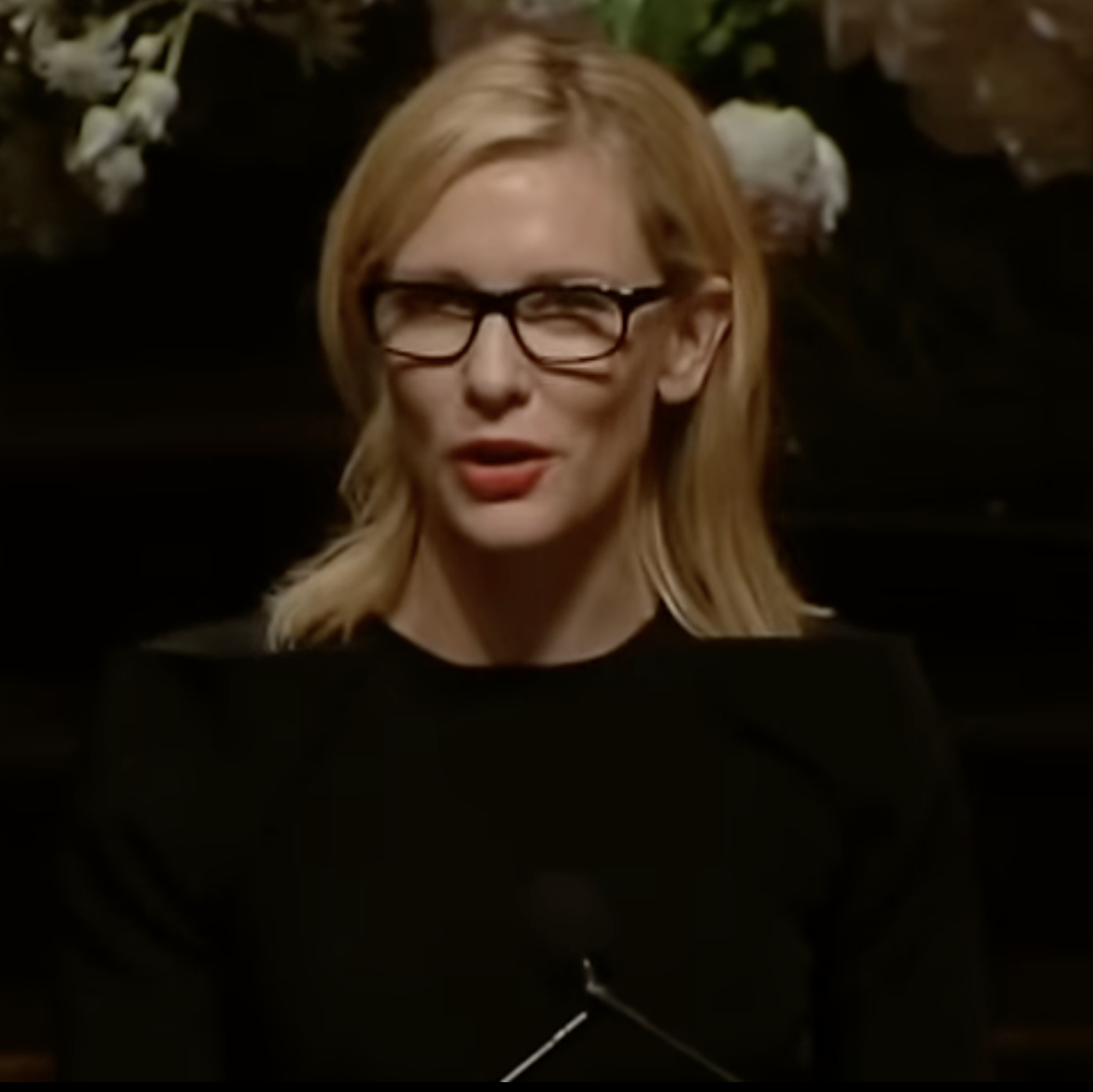
Cate Blanchett thanks Gough Whitlam for free education
It’s Time was a political campaign run by the Australian Labor Party under Gough Whitlam during the 1972 federal election in Australia. Campaigning on the perceived need for change after 23 years of conservative (Liberal-Country Party coalition) government, Labor put forward a raft of major policy proposals, accompanied by a television advertising campaign of prominent celebrities singing a jingle entitled It’s Time. —Wikipedia
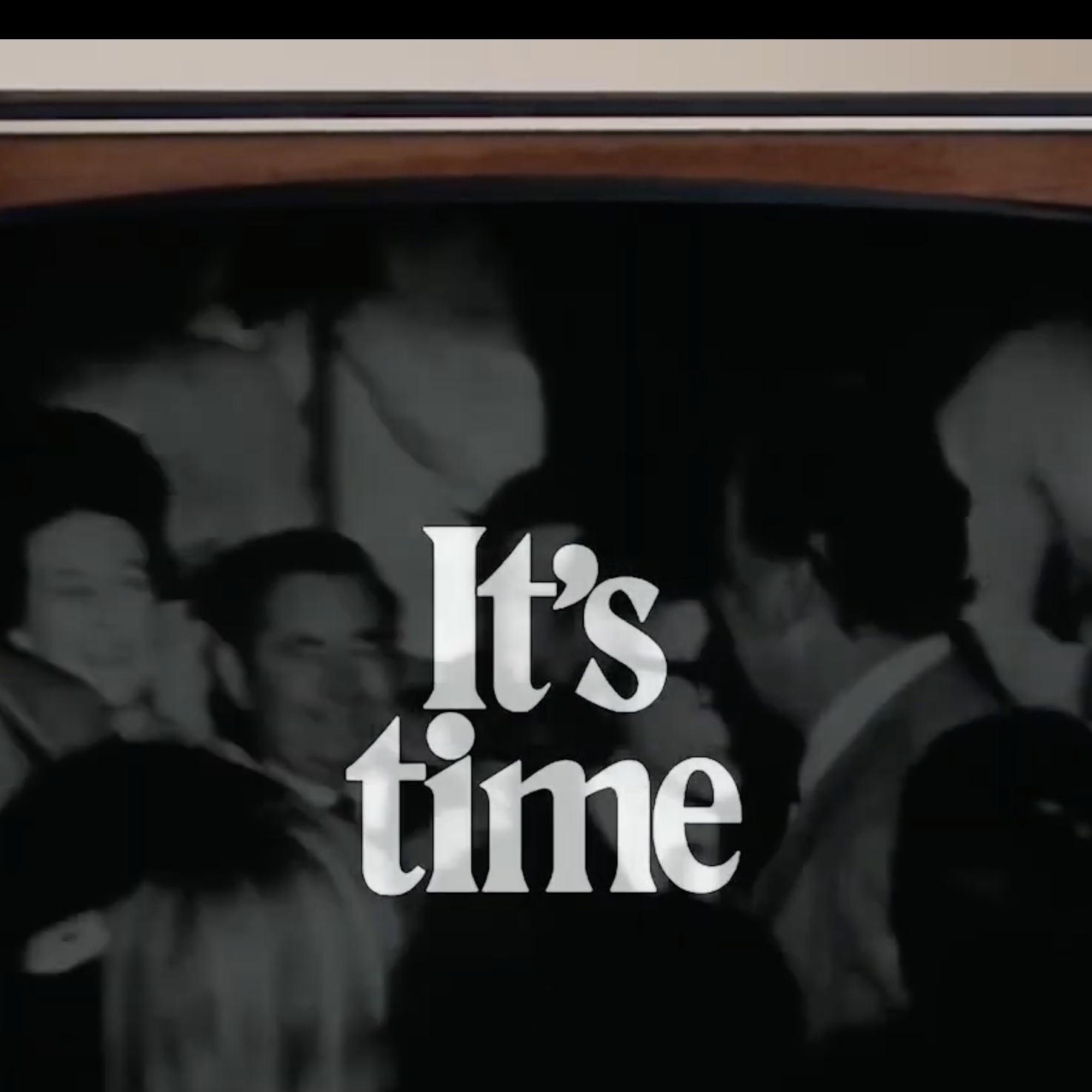
“It’s Time”: Little Pattie reflects on Gough Whitlam’s song
On 11 November 1975, David Smith, Official Secretary to the Governor-General, read a proclamation dissolving both houses of parliament. On the steps of Parliament House, Gough Whitlam responded with his now famous speech, ‘Well may we say, “God saved the Queen”, because nothing wtill save the Governor-General’. —Museum of Australian Democracy at Old Parliament House [Footage supplied courtesy of Seven Network]
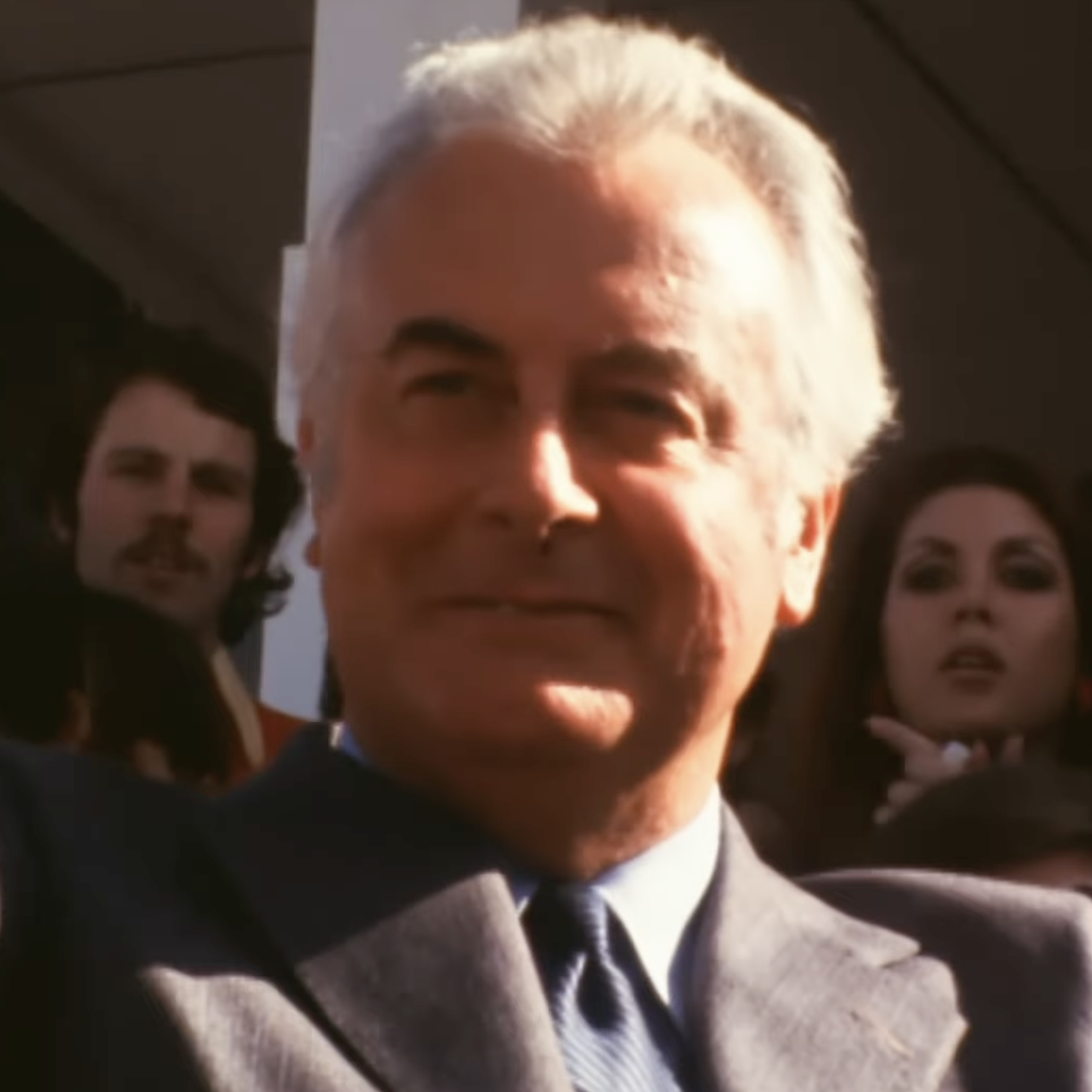
Gough Whitlam’s dismissal speech, 1975
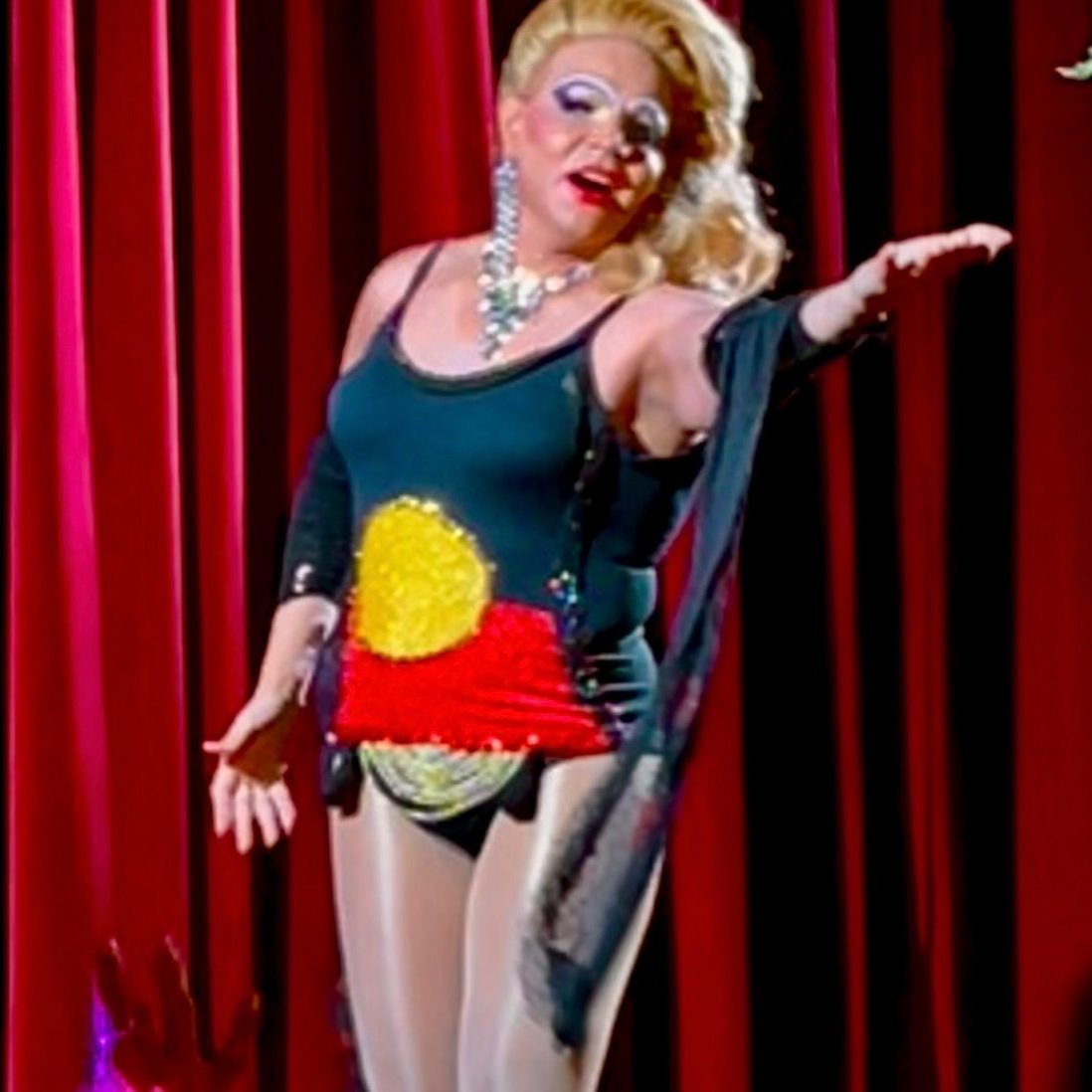
VIC NAIDOC PRIDE GALA AT FITZROY TOWN HALL (2025)
ARTIST TBC
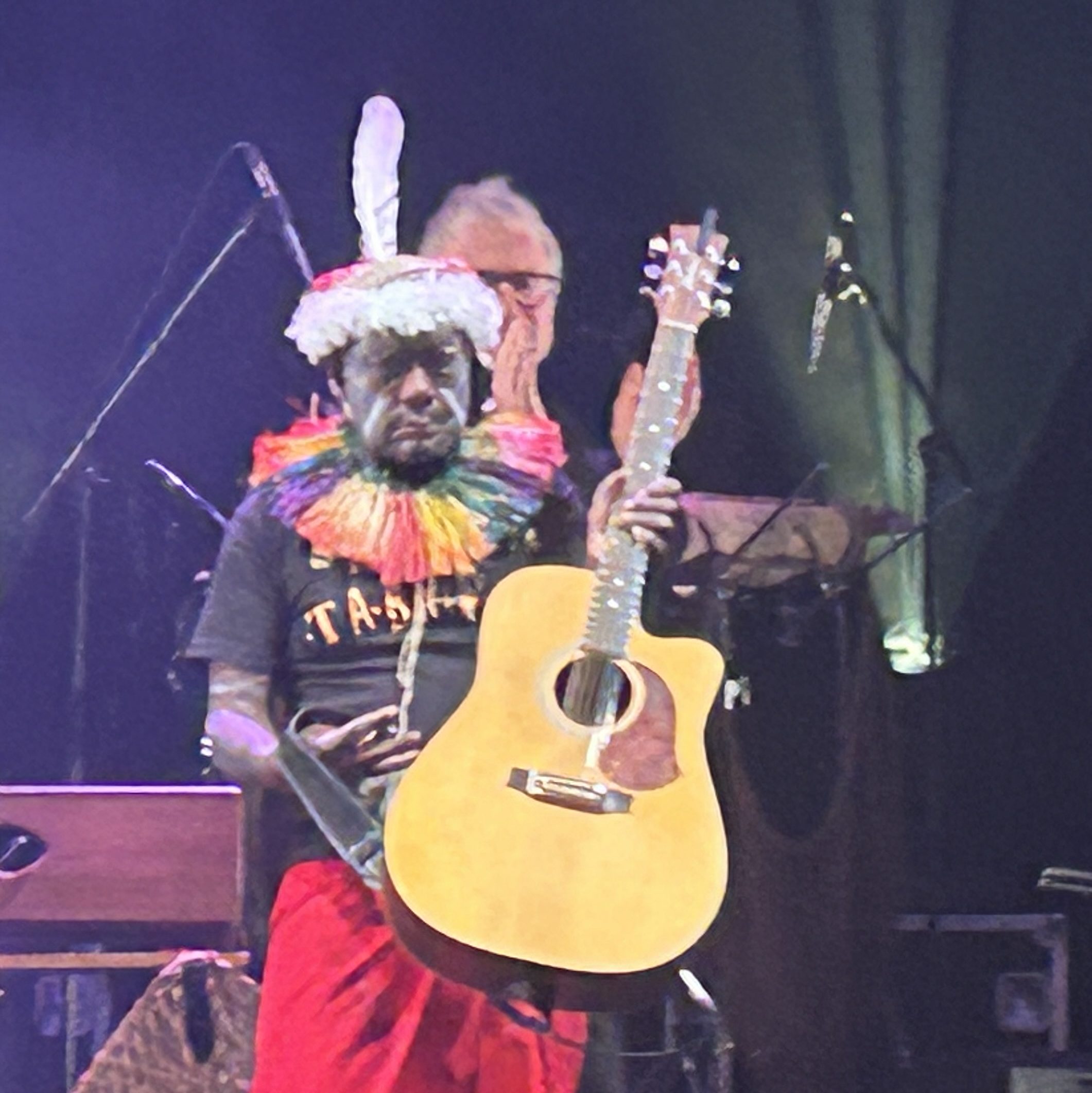
TABARAN AT MELBOURNE RECITAL CENTRE (2025)
NOT DROWNING WAVING + GEORGE TELEK (PAPUA NEW GUINEA)
Bob Hawke
Addressing Congress in 1988, Bob Hawke affirmed the enduring Australia-US alliance based on shared democratic values. He urged “fair” trade over protectionism, highlighted the importance of a “fair go”.
Bob Hawke (1929–2019) was Australia’s 23rd Prime Minister (1983–1991) and the longest-serving Labor leader. A charismatic consensus-builder, he modernised the economy by floating the dollar, deregulating banks, and lowering tariffs. A former union leader, he introduced Medicare and superannuation. Known for his “larrikin” charm and beer-drinking skills, he remains popular.
Following Australia II’s historic 1983 America’s Cup victory, Bob Hawke famously declared: “I tell you what, any boss who sacks anyone for not turning up today is a bum.” This quote celebrated the end of the USA’s 132-year winning streak.
William Barton is a renowned Kalkadunga man, virtuoso didgeridoo player, composer, and multi-instrumentalist. A leading Australian classical artist, he has revolutionised the didgeridoo’s role in orchestral and international music.
Prime Minister Bob Hawke of Australia addresses a joint meeting of the US Senate and House of Representatives on 23 June 1988.
William Barton and the Sydney Symphony Orchestra play Down Under at Bob Hawke’s memorial service.
The song was one of Mr Hawke’s favourite songs and one that is forever linked with him through Australia’s America’s Cup win in 1983. Down Under. Music by Men At Work performed by William Barton and the Sydney Symphony Orchestra, Hawke Memorial (2019)
What Bob Hawke’s powerful Tiananmen Square speech reveals about his foreign policy.
A Frenchman, an Englishman, and an Aussie: Bob Hawke tells a joke.
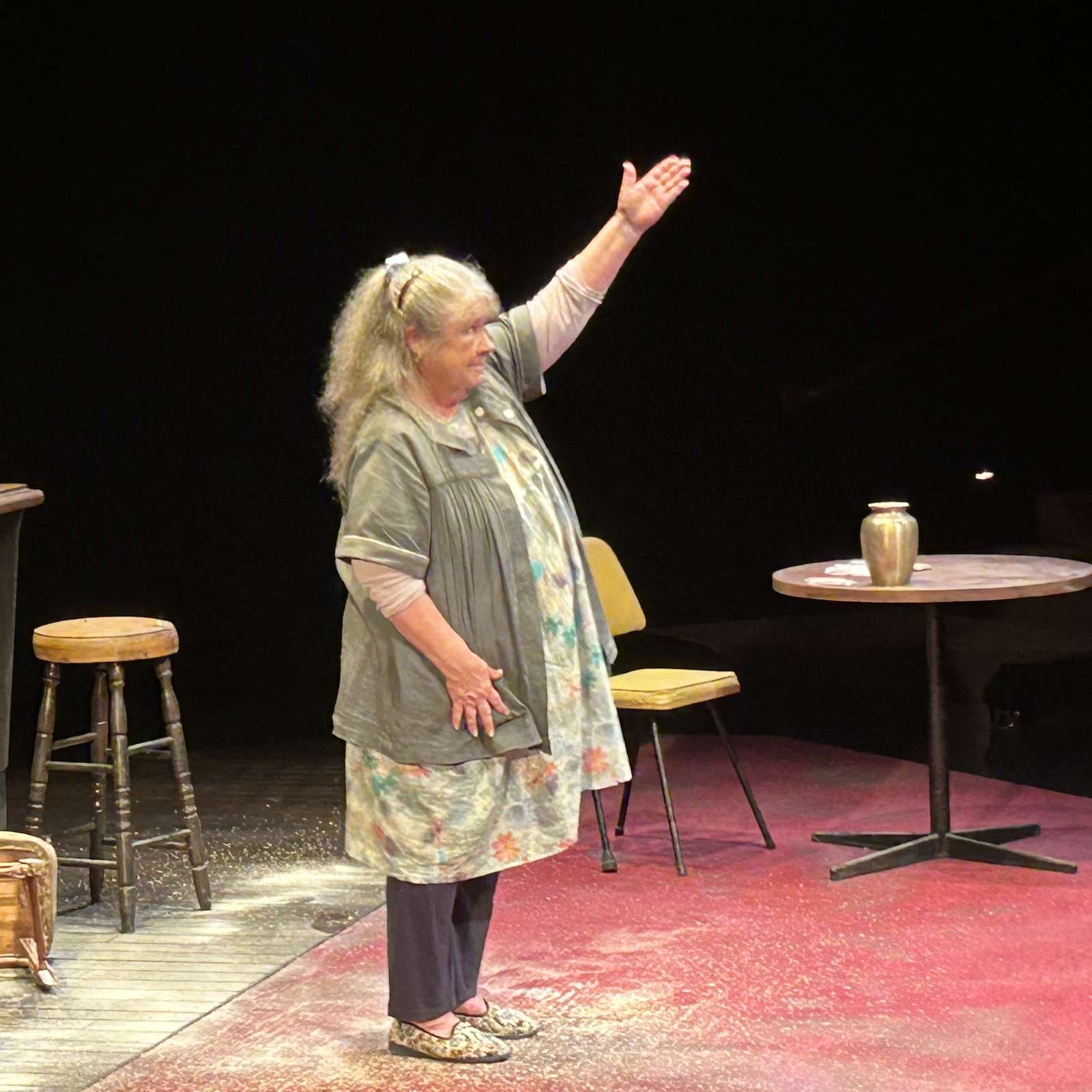
THE LARK BY DANIEL KEENE AT FAIRFAX STUDIO ARTS CENTRE MELBOURNE
NONI HAZLEHURST IN A WORLD PREMIERE (2025)
Paul Keating
Prime Minister Paul Keating at the launch of Australia’s celebration of the 1993 International Year of the World’s Indigenous Peoples, Redfern Park, 10 December 1992. (Duration 16:50) NAA: M3983, 2272
Treasurer Paul Keating responds to Shadow Treasurer Hewson’s motion to suspend standing orders. 24 October 1989
Keating to Hewson: “I Want To Do You Slowly”
Keating to Hewson: “This is little boy, stamp your feet stuff!”
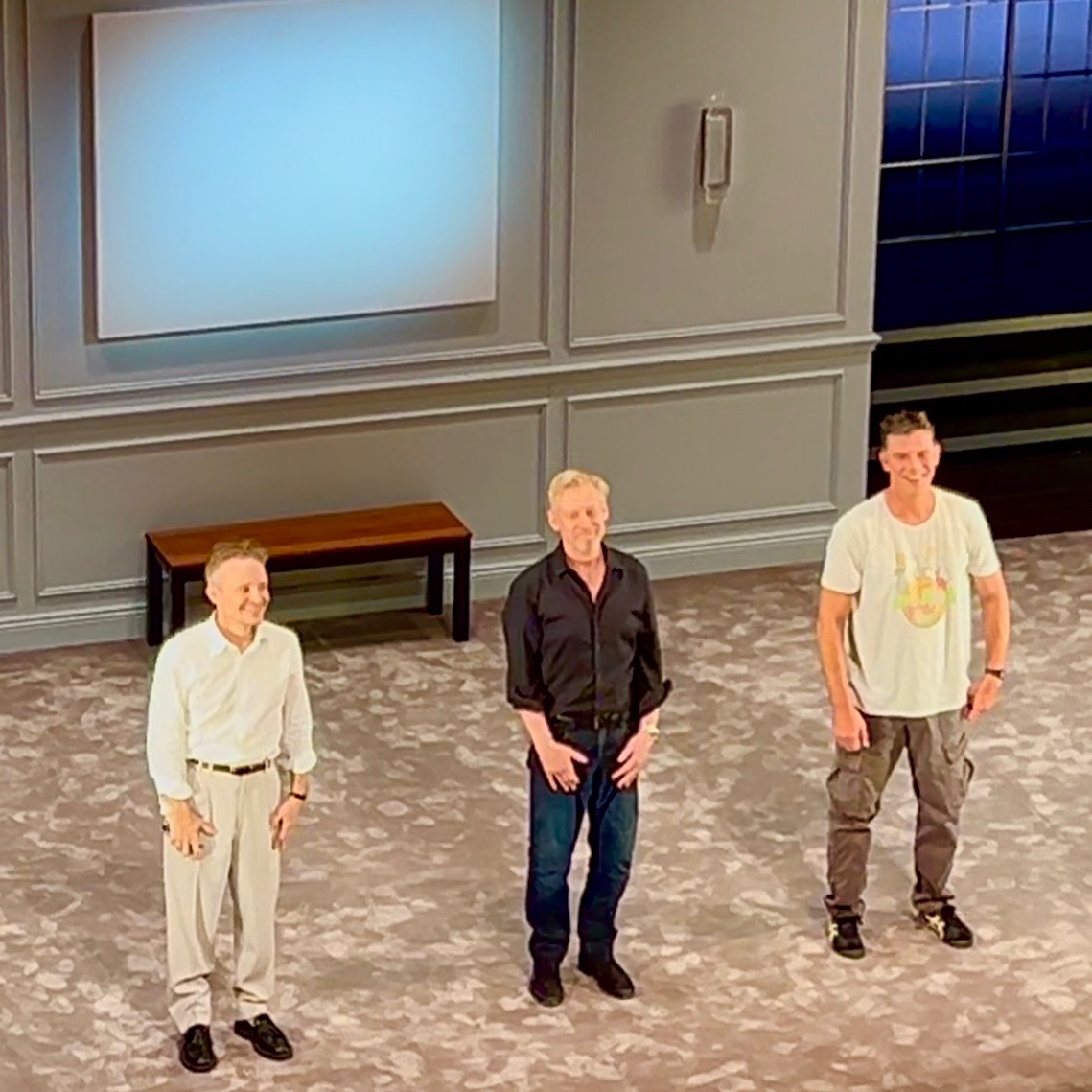
ART BY YASMINA REZA AT COMEDY THEATRE MELBOURNE (2025)
DAMON HERRIMAN, RICHARD ROXBURGH, TOBY SCHMITZ
Australian Intellectuals
Mike Willesee
Kerry O’Brien
Phillip Adams
Marcia Langton
Noel Pearson
Germaine Greer
Barry Jones
Nine News, 1 March 2019. Legendary broadcaster dies aged 76. The veteran journalist lost his battle with cancer and Australia lost a trailblazer who turned asking the right questions, into an art form.
Veteran journalist Kerry O’Brien delivered a passionate, uncompromising speech when he was inducted into the Logies Hall of Fame in 2019. He used his acceptance to fiercely defend the ABC against ideological budget cuts, challenge the journalism industry’s failures, and call for true reconciliation with Australia’s Indigenous peoples.
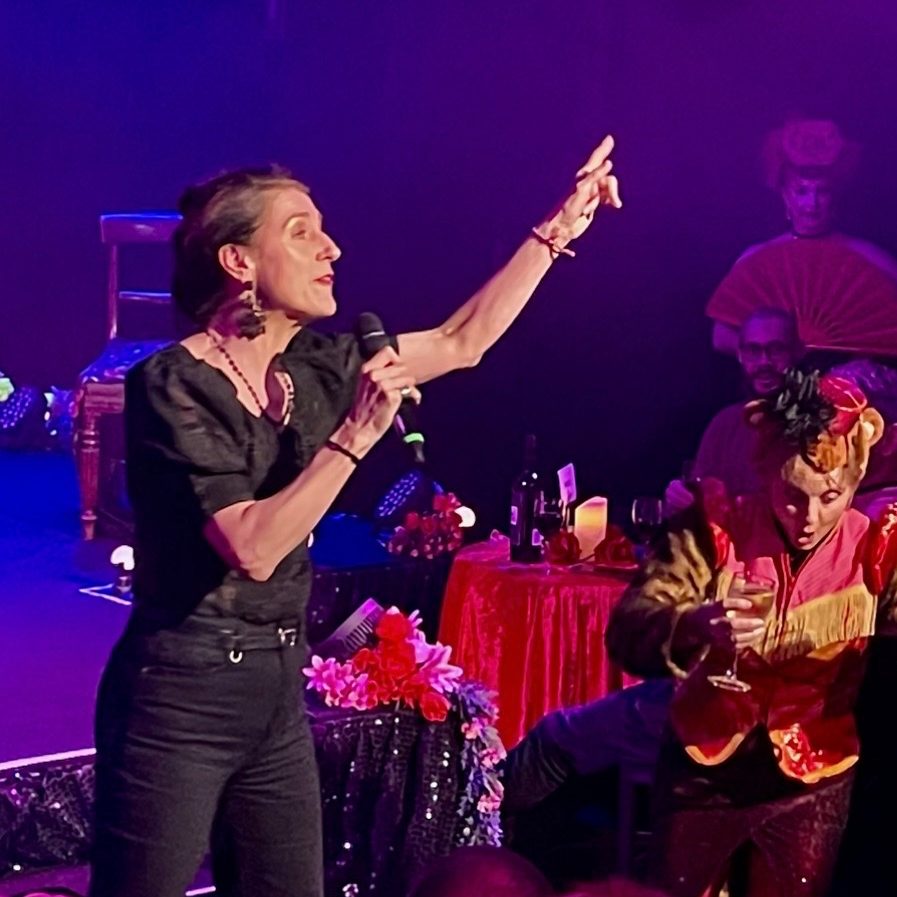
CHAPEL OFF CHAPEL MELBOURNE
MOIRA FINUCANE | THE EXOTIC LIVES OF LOLA MONTES (2024)
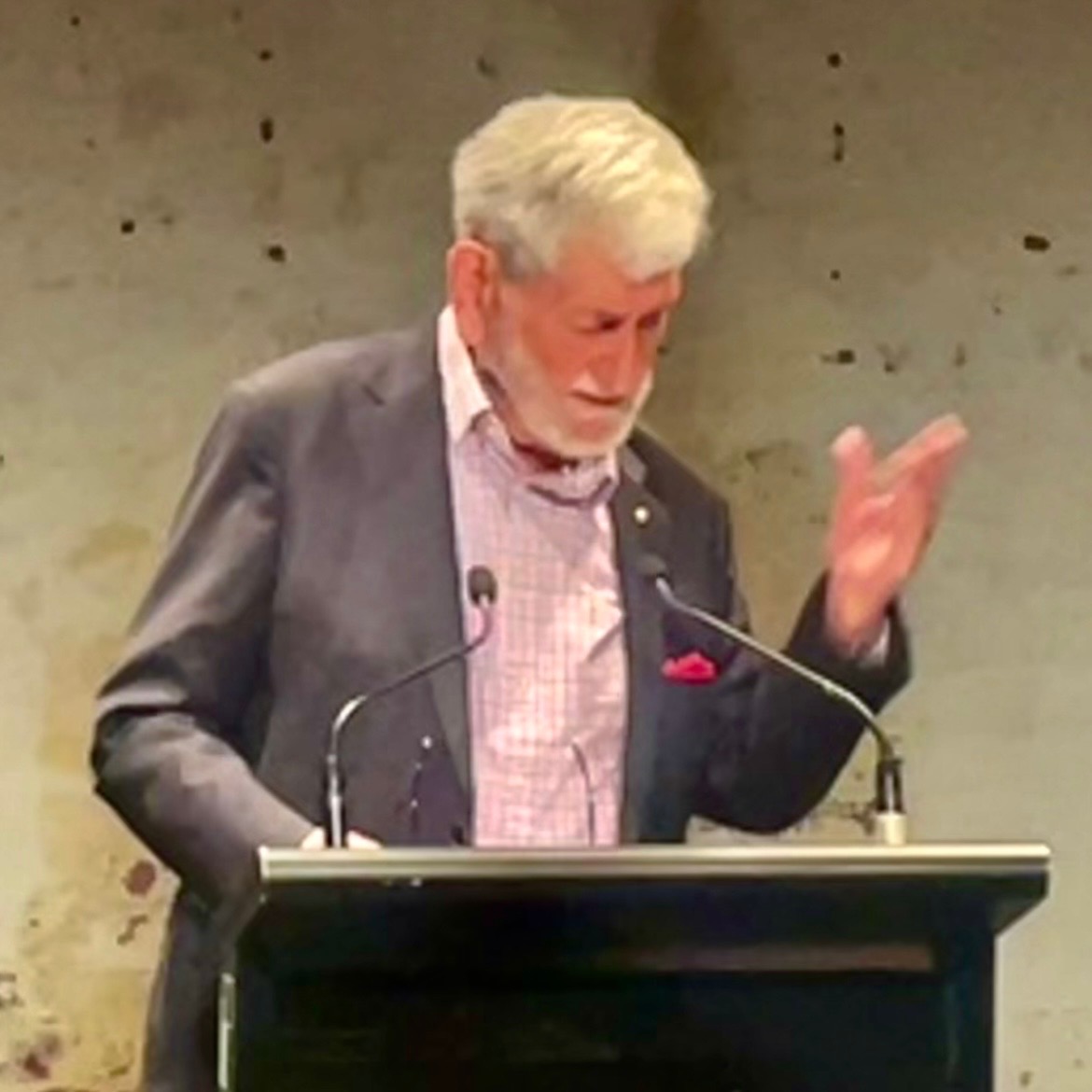
FORTYFIVE DOWNSTAIRS MELBOURNE
BARRY JONES 92ND BIRTHDAY, OCTOBER 2024
Barry Jones
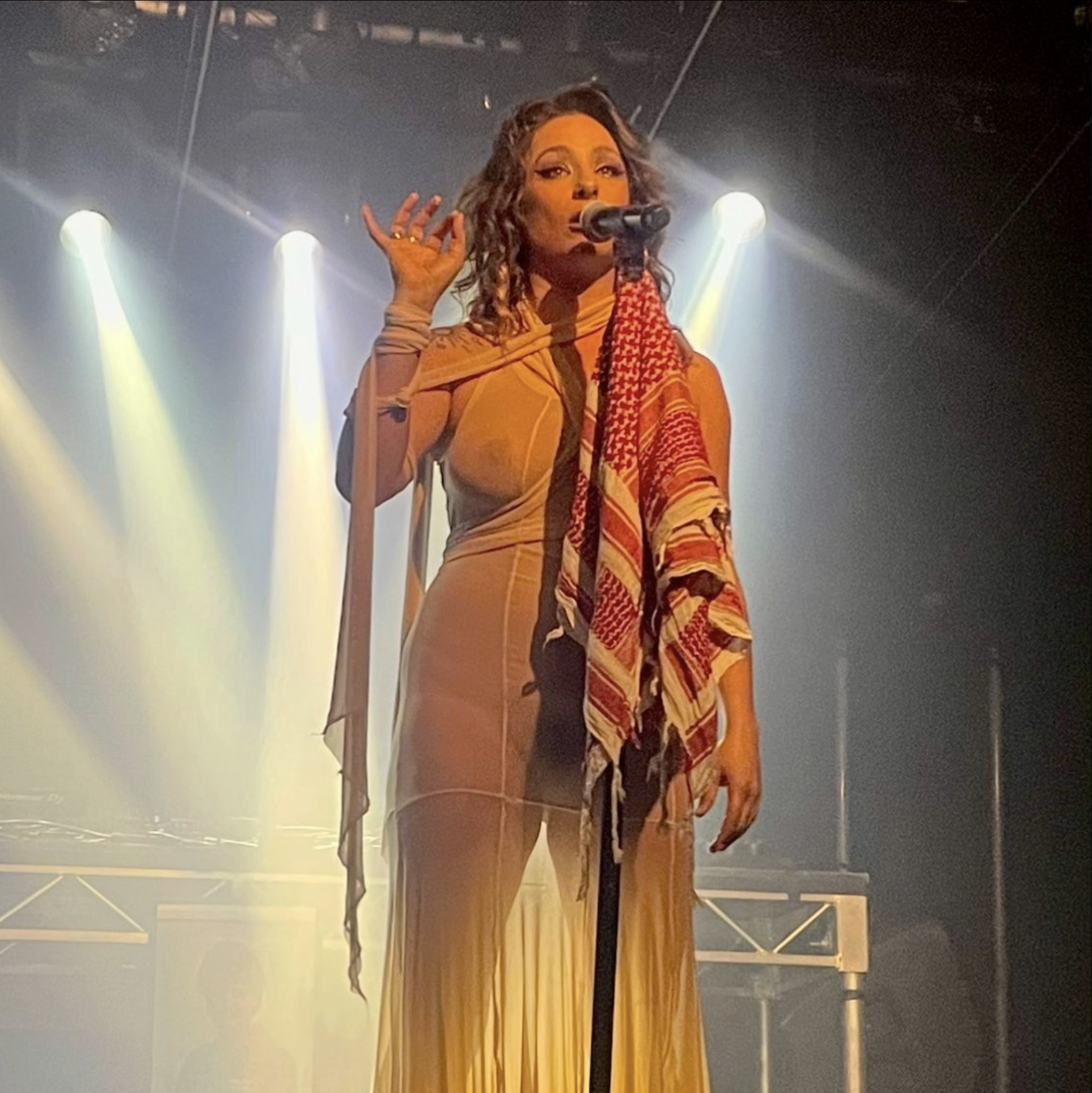
MAX WATTS MELBOURNE
BETTY GRUMBLE | RISING OPENING NIGHT 2024
Julia Gillard
Julia Gillard | Misogyny Speech (2012)
Women’s suffrage is the right of women to vote and hold office, a right achieved through prolonged campaigns worldwide. In Australia, South Australia led in 1894, and the 1902 Commonwealth Franchise Act granted white women federal voting rights, though First Nations women were largely excluded until 1962. Globally, major milestones included the 19th Amendment in the U.S. (1920) and various victories in the early 20th century, culminating in nearly universal suffrage today.
Key Milestones in Australia
1962: Indigenous women and men are granted the right to vote in federal elections.
1894: South Australia becomes the first Australian colony—and one of the first in the world—to grant women both the right to vote and stand for election.
1899: Western Australia grants women the right to vote.
1902: The Federal Commonwealth Franchise Act 1902 allows women to vote and stand for federal parliament. However, it specifically excluded non-white people (Aboriginal natives of Australia, Asia, Africa, and Pacific Islands) unless they had state-level rights.
1921: Edith Cowan is elected as the first woman in an Australian Parliament (Western Australia).
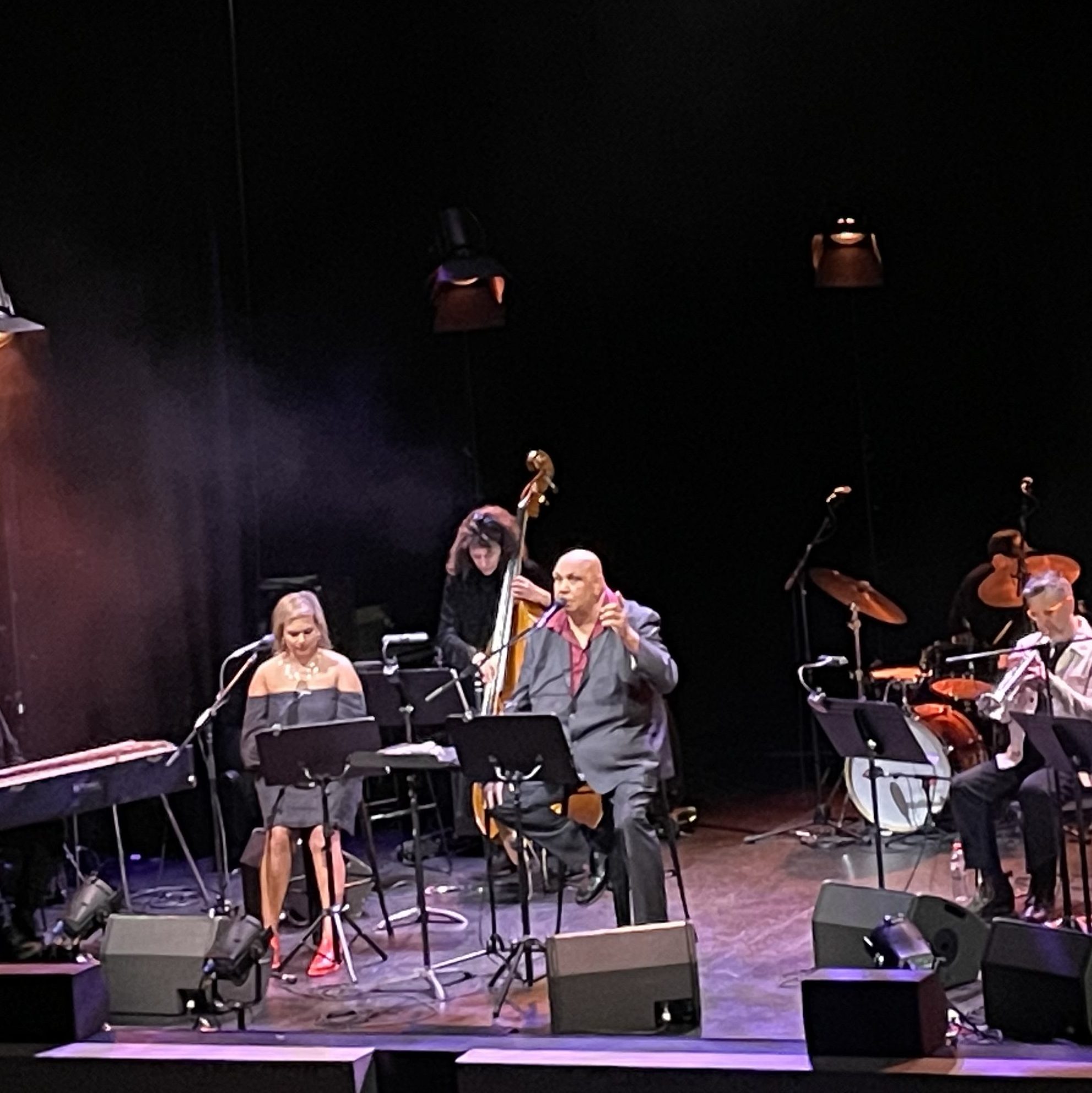
THE CAPITOL THEATRE MELBOURNE
KUTCHA EDWARDS | WUIGADA-GAGADA (2024)
Kevin Rudd
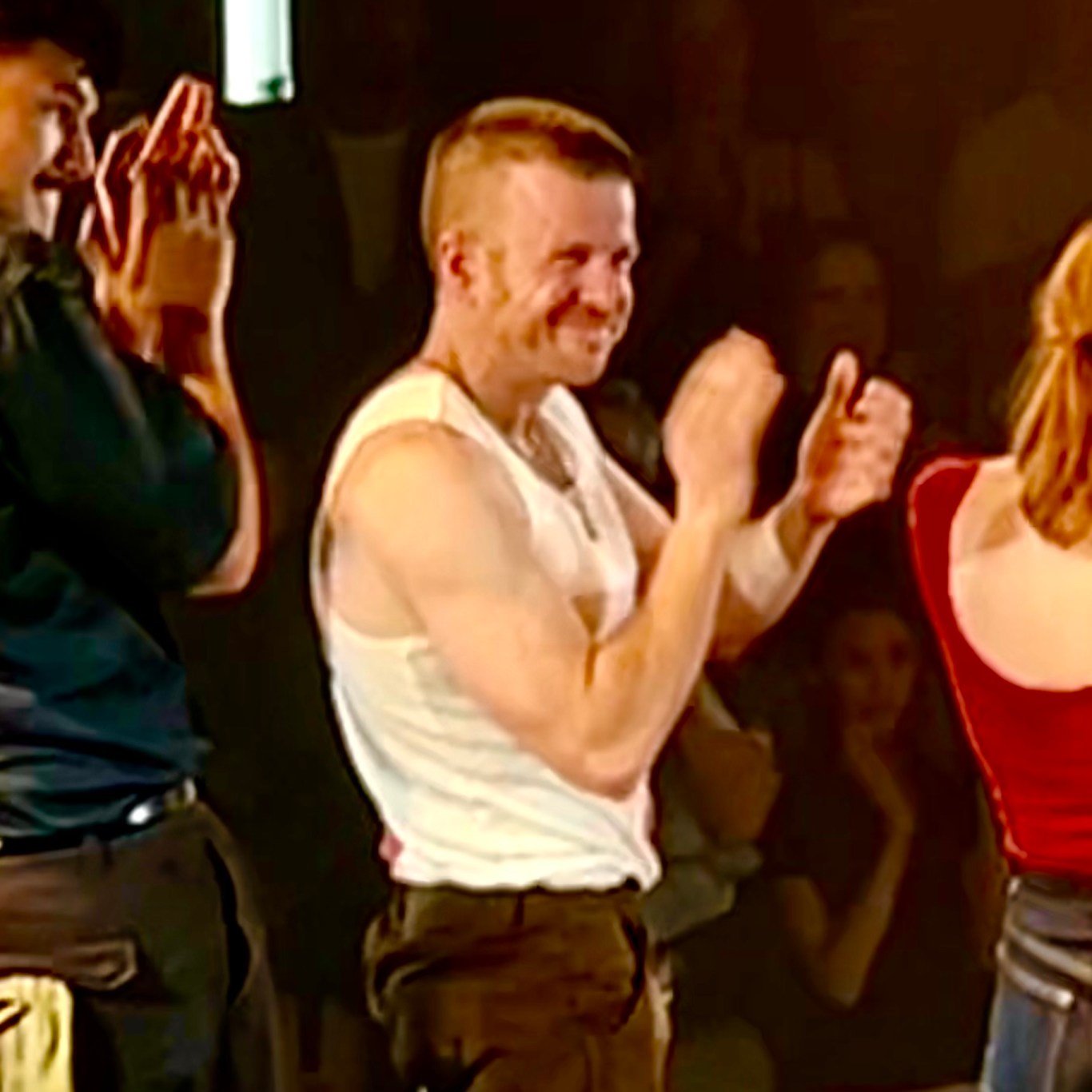
FORTYFIVE DOWNSTAIRS
MARK YEATES | CYRANO DE BERGERAC (2026)
Indigenous culture and nature
Max Cooper is a London-based electronic musician and former computational biologist who merges science, technology, and art.
Max Cooper was born on 19 May 1980, in Belfast, Northern Ireland to Australian parents. He holds a PhD in computational biology and is internationally renowned for blending immersive, science-inspired electronic music with elaborate audiovisual installations and live performances. He creates melodic, experimental techno aimed at exploring nature, consciousness, and complex systems through deeply emotional soundscapes.
A Moment Set Aside (2025) | Max Cooper & Rob Clouth (Official Video by Dimitri Thouzery)
Putting On A Pow Wow (2015) | Keeley Gould
“I was not born in America. America was born on our lands.”
Putting On A Pow Wow is a short documentary by filmmaker Keeley Gould (USA) that highlights the cultural and spiritual significance of powwows in Indian American life.
Much more than a gathering, a powwow is a living expression of identity, resilience, and community. By bringing together members from hundreds of tribes, these events serve as a powerful space for preserving traditions through dance, music, regalia, and ceremony. They also act as a form of cultural continuity in the face of historical and ongoing challenges such as displacement, assimilation policies, and land rights struggles.
What makes the film especially impactful is how it frames the powwow not just as a celebration, but as a reclamation of Indigenous rites and spirituality. It underscores how culture can be an act of resistance—something that endures and evolves despite centuries of pressure.
At a broader level, the message resonates globally. Indigenous communities around the world continue to fight for recognition, sovereignty, and the protection of their lands and traditions. Films like this help amplify those voices, reminding audiences that these cultures are not relics of the past but vibrant, living systems of knowledge and identity.
Old-growth forests are not just ecosystems—they are living ancestors, knowledge systems, and life-support, life-giving networks. Bill Neidjie: “The earth, I never damage. I look after. The earth looking after me.” This is not metaphor. It is a law of survival. When we damage ancient forests, we break a relationship that has sustained life for tens of thousands of years.
For Aboriginal Australians, Country is not a resource to be used, discarded or neglected. It is identity, spirit, and law. Galarrwuy Yunupingu: “The land is our mother. The land is our backbone. The land is our foundation.” Ancient forests are part of that foundation—complex, irreplaceable systems that hold biodiversity, regulate climate, and store the memory of the land itself.
Yet today, those forests are being treated as natural capital and monetised. Patrick Dodson: “Country is not a commodity… it is a living entity with a yesterday, today and tomorrow.” When old-growth forests are cleared, we are not just removing trees—we are severing a continuum that links past, present and future.
This destruction carries consequences. Bob Randall: “If we don’t look after the land, the land won’t look after us.” Climate instability, biodiversity loss, ecological collapse—these are not distant threats but the direct result of neglecting this responsibility.
At its core, the crisis is about disconnection. Tyson Yunkaporta: “If you don’t have a relationship with the land, you will destroy it.” Modern systems that see forests only in terms of profit fail to understand their true value—and in doing so, put all life at risk.
But there is another way to see the world. Miriam-Rose Ungunmerr Baumann: “We are part of the land and the land is part of us.” Protecting ancient forests is not just environmental action—it is an act of restoring balance, respect, and responsibility.
The message is clear: if ancient forests fall, we do not stand apart from that loss. We fall with them.
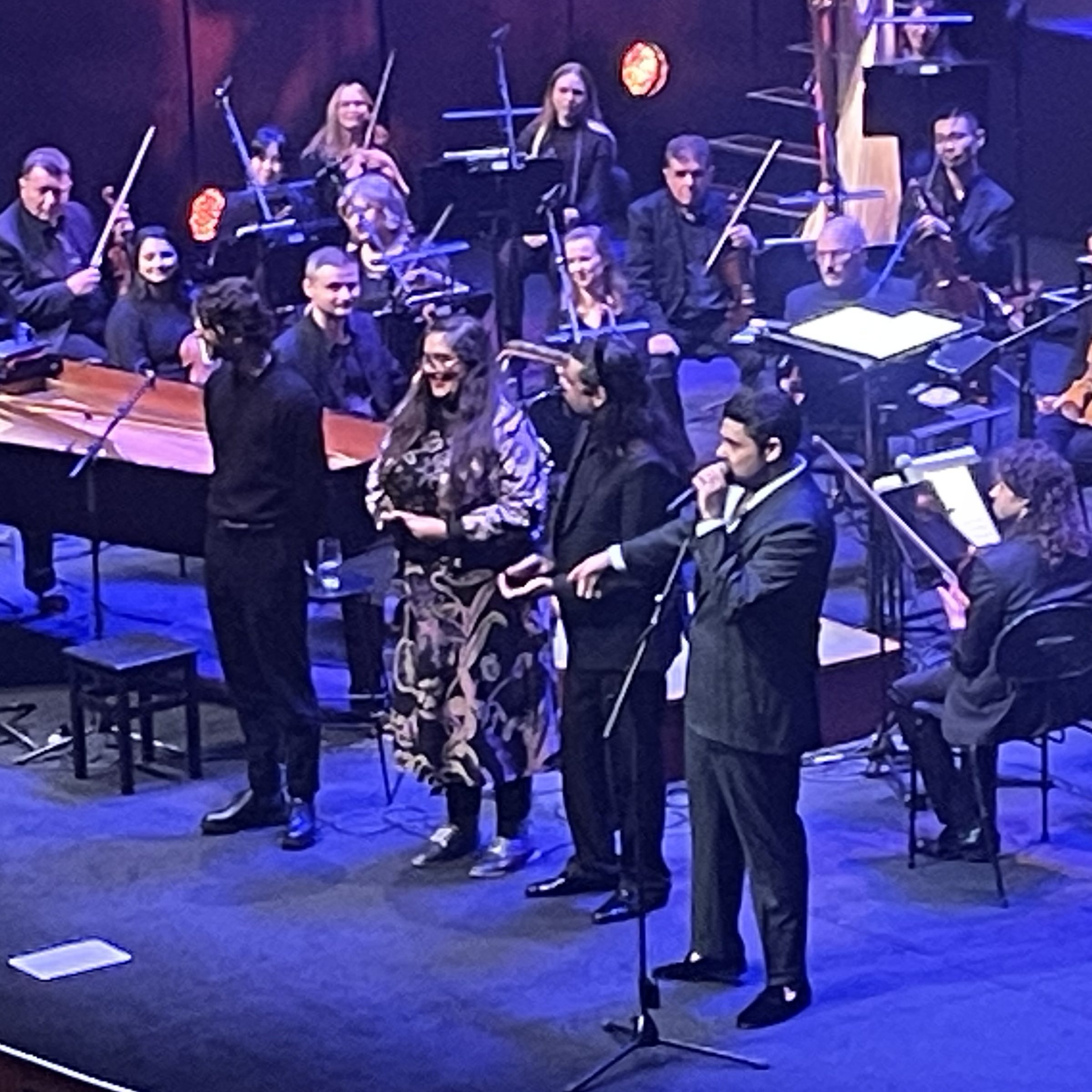
DAN SULTAN AND THE MELBOURNE SYMPHONY ORCHESTRA (2024)
Australian Music
Traveling in a fried-out Kombi
On a hippie trail, head full of zombie
I met a strange lady, she made me nervous
She took me in and gave me breakfast
And she said
“Do you come from a land down under
Where women glow and men plunder?
Can’t you hear, can’t you hear the thunder?
You better run, you better take cover”
Buying bread from a man in Brussels
He was six-foot-four and full of muscle
I said, “Do you speak-a my language?”
He just smiled and gave me a Vegemite sandwich
And he said
“I come from a land down under
Where beer does flow and men chunder
Can’t you hear, can’t you hear the thunder?
You better run, you better take cover, yeah”
Lying in a den in Bombay
With a slack jaw and not much to say
I said to the man, “Are you trying to tempt me?
Because I come from the land of plenty”
And he said
Oh, do you come from a land down under? (Ooh, yeah-yeah)
Where women glow and men plunder?
Can’t you hear, can’t you hear the thunder?
You better run, you better take cover, ’cause we are
Living in a land down under
Where women glow and men plunder (yeah)
Can’t you hear, can’t you hear the thunder? (Thunder)
You better-better run, you better take cover
Living in a land down under
Where women glow and men plunder
Can’t you hear, can’t you hear the thunder? Ooh, yeah
You better run, you better take cover
Where women glow and men plunder
Can’t you, can’t you hear the thunder? (Can’t you, can’t you hear the thunder?)
You better run, you better take cover
Living in a land down under (living in a land down under)
Where women glow and men plunder
Can’t you, can’t you hear the thunder?
—Men At Work (1981)
Beds Are Burning – Lyrics
Out where the river broke
The blood-wood and the desert oak
Holden wrecks and boiling diesels
Steam in forty-five degrees
The time has come
To say fair’s fair
To pay the rent
To pay our share
The time has come
A fact’s a fact
It belongs to them
Let’s give it back
How can we dance
When our earth is turning
How do we sleep
While our beds are burning
How can we dance
When our earth is turning
How do we sleep
While our beds are burning
The time has come
To say fair’s fair
To pay the rent
Now to pay our share
Four wheels scare the cockatoos
From Kintore East to Yuendemu
The western desert lives and breathes In forty-five degrees
The time has come
To say fair’s fair
To pay the rent
To pay our share
The time has come
A fact’s a fact It belongs to them
Let’s give it back
How can we dance
When our earth is turning
How do we sleep
While our beds are burning
How can we dance
When our earth is turning
How do we sleep
While our beds are burning
The time has come
To say fair’s fair
To pay the rent now
To pay our share
The time has come
A fact’s a fact
It belongs to them
We’re gonna give it back
How can we dance
When our earth is turning
How do we sleep
While our beds are burning
—Midnight Oil (1987)
Gather around people let me tell you a story
An eight-year long story of power and pride
British Lord Vestey and Vincent Lingiari
Were opposite men on opposite sides
Vestey was fat with money and muscle
Beef was his business, broad was his door
Vincent was lean and spoke very little
He had no bank balance, hard dirt was his floor
From little things big things grow
From little things big things grow
Gurindji were working for nothing but rations
Where once they had gathered the wealth of the land
Daily the pressure got tighter and tighter
Gurindji decided they must make a stand
They picked up their swags and started off walking
At Wattie Creek they sat themselves down
Now it don’t sound like much but it sure got tongues talking
Back at the homestead and then in the town
From little things big things grow
From little things big things grow
Vestey man said, “I’ll double your wages
Seven quid a week you’ll have in your hand”
Vincent said, “Uh-huh we’re not talking about wages
We’re sitting right here ’til we get our land?”
Vestey man roared and Vestey man thundered
You don’t stand the chance of a cinder in snow
Vince said, “If we fall others are rising”
From little things big things grow
From little things big things grow
Then Vincent Lingiari boarded an airplane
Landed in Sydney, great big city of lights
And daily he went ’round softly speaking his story
To all kinds of men from all walks of life
And Vincent sat down with big politicians
This affair they told him is a matter of state
Let us sort it out while your people are hungry
Vincent said, “No thanks, we know how to wait”
From little things big things grow
From little things big things grow
Then Vincent Lingiari returned in an airplane
Back to his country once more to sit down
And he told his people, let the stars keep on turning
We got friends in the south, in the cities and town
Eight years went by, eight long years of waiting
‘Til one day a tall stranger appeared in the land
And he came with lawyers and he came with great ceremony
And through Vincent’s fingers poured a handful of sand
From little things big things grow
From little things big things grow
That was the story of Vincent Lingiari
But this is the story of something much more
How power and privilege can not move a people
Who know where they stand and stand in their law
From little things big things grow
From little things big things grow
From Little Things Big Things Grow
—Kev Carmody & Paul Kelly (1993)
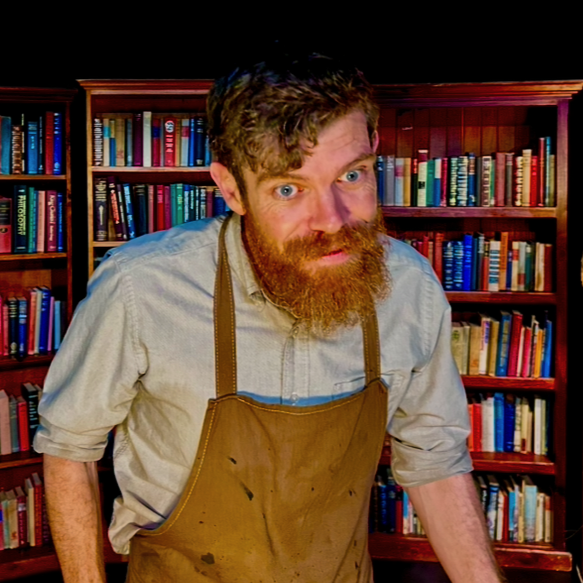
RALPH MCCUBBIN HOWELL | THE BOOKBINDER (2026)
Nelson Mandela Speaking on Palestine [Extracts]
Nelson Mandela: The Wembley Concert
فال بد أن تعيش أنت
رفعت العرعير
إذا كان لا بد أن أموت
فال بد أن تعيش أنت
لتروي حكايتي
لتبيع أشيائي
وتشتري قطعة قماش
وخيوطا
(فلتكن بيضاء وبذيل طويل)
كي يبصر طفل في مكان ما من ّغّزة
وهو يح ّّدق في السماء
منتظرًاً أباه الذي رحل فجأة
دون أن يودع أحدًاً
وال حتى لحمه
أو ذاته
يبصر الطائرة الورقّية
طائرتي الورقية التي صنعَتها أنت
تحّلق في الأعالي
ويظ ّّن للحظة أن هناك مالكًاً
يعيد الحب
إذا كان لا بد أن أموت
فليأ ِِت موتي باألمل
فليصبح حكاية
ترجمة سنان أنطون
f I Must Die
Refaat Alareer
(Translation Sinan Antoon)
If I must die,
you must live
to tell my story
to sell my things
to buy a piece of cloth
and some strings,
(make it white with a long tail)
so that a child, somewhere in Gaza
while looking heaven in the eye
awaiting his dad who left in a blaze—
and bid no one farewell
not even to his flesh
not even to himself—
sees the kite, my kite you made, flying up above
and thinks for a moment an angel is there
bringing back love
If I must die
let it bring hope
let it be a tale
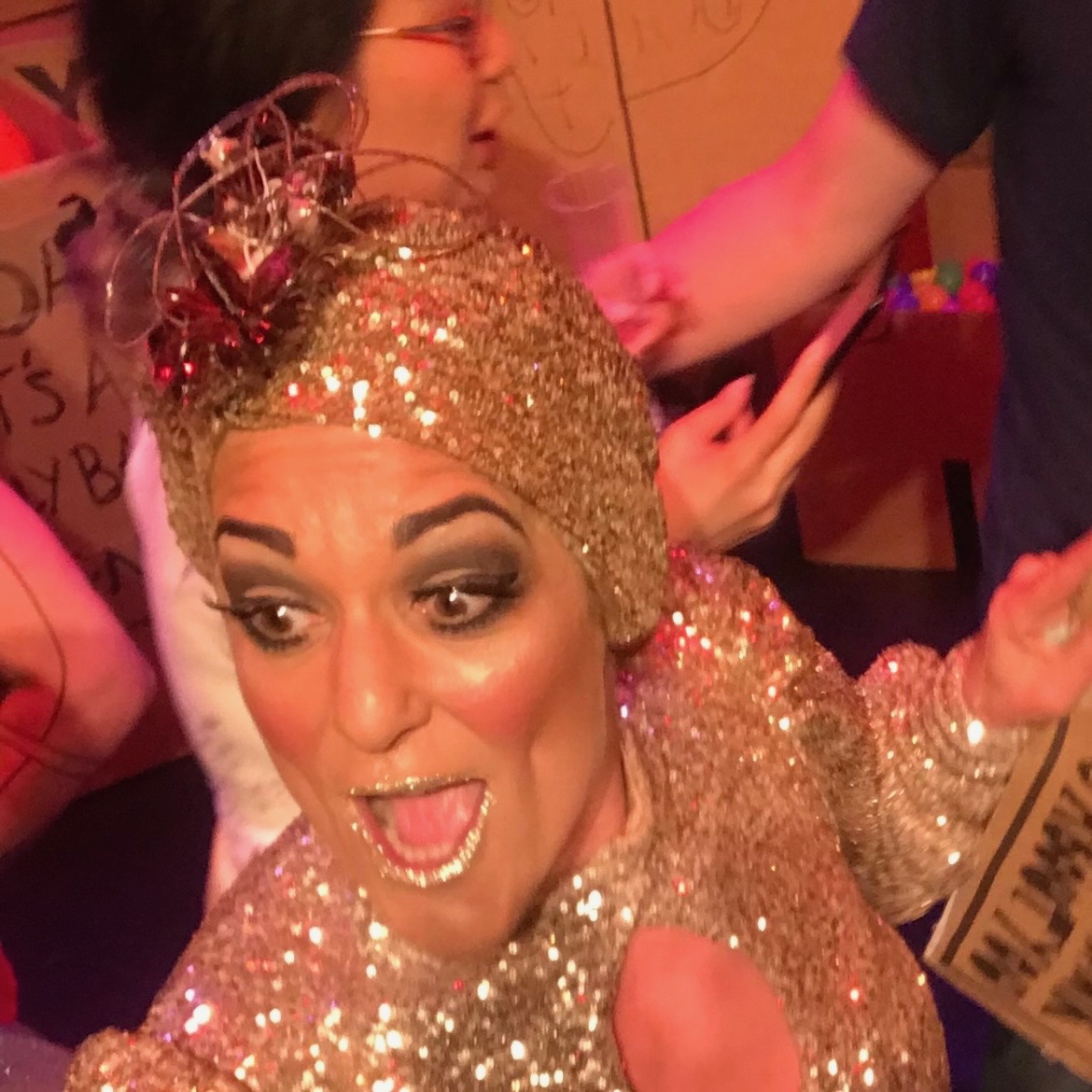
MISS BEHAVE 2019 (AMY SAUNDERS)
Where Have All The Flowers Gone (1968) | Peter Seeger (Live in Sweden)
There are 8.2 billion human beings on the planet this year (2024), and the projection for 2050 is 9.7 billion. A peak of 10.3 billion inhabitants is expected in the mid of 2080s, at which point the world population is expected to head downwards reaching 10.2 billion in 2100. Whereas the populations of some countries continue to grow quickly, other countries are seeing population shrinkage. Concomitantly, the world’s popula
tion is aging as life expectancy at the global scale continues to rise and fertility to fall. These are some of the major takeaways from the latest United Nations world population estimates and projections (World Population Prospects: The 2024 Revision).—INED. Continue reading here
Meshell Ndegeocello | Tiny Desk (Home) Concert (2021)
The Journey Towards Human Rights (2023) | Narrated by Morgan Freeman
Fred Rogers inducted into the Academy Of Television Arts & Sciences Hall Of Fame (1999)
The Universal Declaration of Human Rights (UDHR) is a milestone document in the history of human rights. Drafted by representatives with different legal and cultural backgrounds from all regions of the world, the Declaration was proclaimed by the United Nations General Assembly in Paris on 10 December 1948 as a common standard of achievements for all peoples and all nations. It sets out, for the first time, fundamental human rights to be universally protected.—UDHR. Continue reading here
Barry Jones AC (b. 1932) is a politician, lawyer and writer. He was educated at the University of Melbourne and worked as a public servant and high school teacher before rising to fame as Australia’s Quiz champion from 1960 to 1968. He became the country’s first talk-back radio host, then lectured in History at La Trobe University before becoming a State Labor MP in 1972. Throughout the 1970s he took a leading role in reviving the Australian film industry. He entered federal parliament in 1977 as the member for Labor; between 1983 and 1990 he held the portfolios of Science, Prices and Consumer Affairs, Small Business and Customs. He was a member of the executive board of UNESCO in Paris from 1991 to 1995, was National President of the Australian Labor Party from 1992 to 2000, Vice President of the World Heritage Committee from 1995 to 1996, and was Deputy Chairman of the Constitutional Convention in 1998. Jones has written a number of influential books, of which the best known are the international best-seller Sleepers, Wake!: Technology and the Future of Work, and the Dictionary of World Biography.
In 1993 Jones was recognised as an Officer of the Order of Australia for his services to the promotion of science, the arts and film, writing and Australian politics, in 1998 he became a National Living Treasure; and in 2014 he was made a Companion of the Order of Australia.
—National Portrait Gallery Australia
Work For Peace (1994) | Gil Scott-Heron
Land mines and limbs
Missiles and men
Drones and dispossession
What size are you
Ask the women
Dunno Ma
Look
No hands
No feet
Moira Finucane is a genre-defying Melbourne performance artist who merges burlesque, theatre, and activism into bold, visually rich works about humanity and the planet. Emerging from the city’s underground and queer performance scenes in the early 1990s, she has developed a distinctive style combining visual spectacle with emotional intensity.
As co-founder of Finucane & Smith, she has created acclaimed works including The Burlesque Hour, Carnival of Mysteries and Glory Box. Her performances blur the boundaries between cabaret, theatre and ritual, and have been staged in venues such as Arts Centre Melbourne as well as independent spaces.
A defining aspect of Finucane’s work is its engagement with environmental and social themes. Drawing on her background in environmental science, she explores ecological crisis alongside questions of gender, power and desire. Across her career, she has remained a key figure in Melbourne’s performance scene, known for pushing the expressive possibilities of cabaret and live art.
Maya Angelou Live at the Lewisham Theatre London (1987)
Maya Angelou Interview
We Didn’t Know We Were Ready (2025) | Olafur Arnalds, Eoin French, Niamh Regan, Ye Vagabonds & Friends
Unforgiven | I’m Here to Kill You, Little Bill | Warner Classics
To the People of Melbourne,
Since birth I have always transmitted, through resplendent art, a message of Love to the world. It is Love that illuminates our lives and makes life beautiful. I aim to deliver in my art a heartfelt prayer. My hope is to experience the beauty of a world Where Peace and Love have fully arrived. It is in celebration of this everlasting hope that l offer Love to my eternal humankind.
—Yayoi Kusama 2024
From Little Things Big Things Grow (2014) | Paul Kelly & Kev Carmody pay tribute to Gough Whitlam
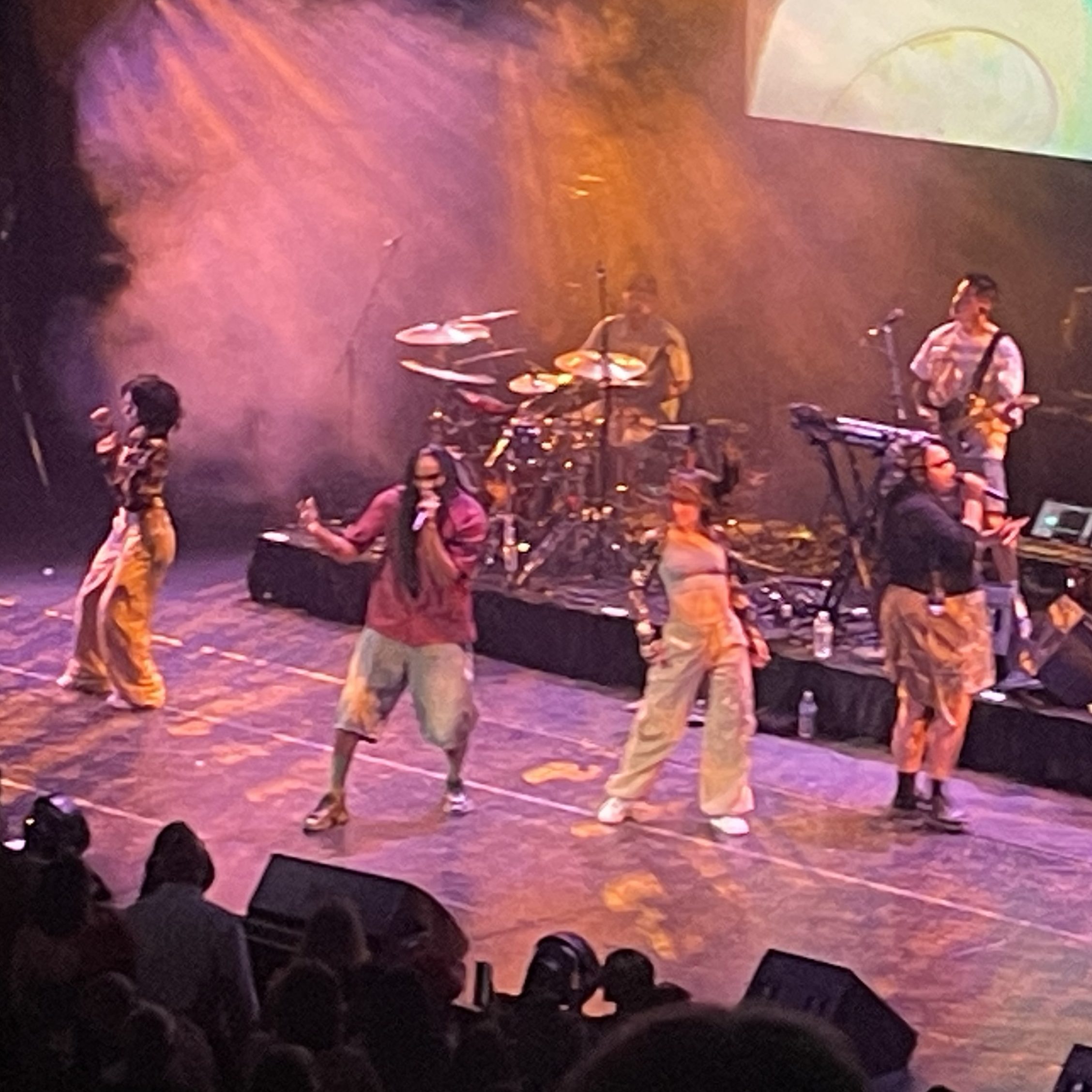
BAKER BOY
Nina Simone Resonances (2024) | ARTE Concert with ALA.NI, Patrice, Kham Meslien, Youn Sun Nah, Kareen Guiock Thuram, Céleste, Rémy Galichet, Mathias Allamane
Tracy Chapman – Rare Live “Behind the Wall” (Mandela Tribute, Wembley 1988)
Patou: In Black And White (2022) | Directed by Fiona Cochrane [Trailer]
Play It Safe | Sydney Opera House 50th Anniversary
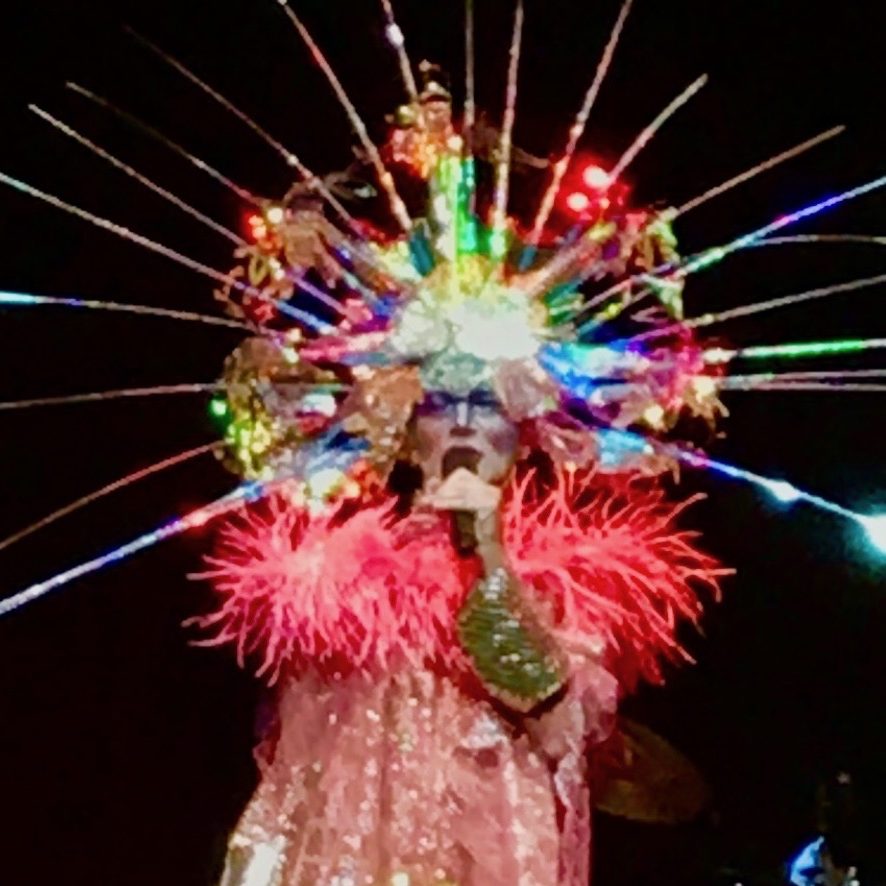
TAYLOR MAC, COSTUMES BY MACHINE DAZZLE
MELBOURNE FESTIVAL 2017
A Performance: Man On The Run | Keiynan | TEDxSydney
Mark Watson’s 27-Hour Comedy Marathon (2015) featuring Ali McGregor singing Radiohead’s CREEP with Tim Minchin on the piano
Sit Around The Fire (2021) | Music by Jon Hopkins with Ram Dass, East Forest. Music Video by Tom Readdy and Lucy Dawkins.
Boundary lines, of any type, are never found in the real world itself, but only in the imagination of mapmakers.
—Ken Wilber
RISING is a major annual winter arts and culture festival held in Melbourne featuring a diverse, immersive, and often edgy program of new art, music, performance, and public installations. Running throughout June, it transforms the city’s streets and venues after dark, focusing on contemporary culture, light installations, and First Nations storytelling.
Rising replaced the Melbourne International Arts Festival and White Night, serving as Melbourne’s premier winter arts festival.