Work For Peace
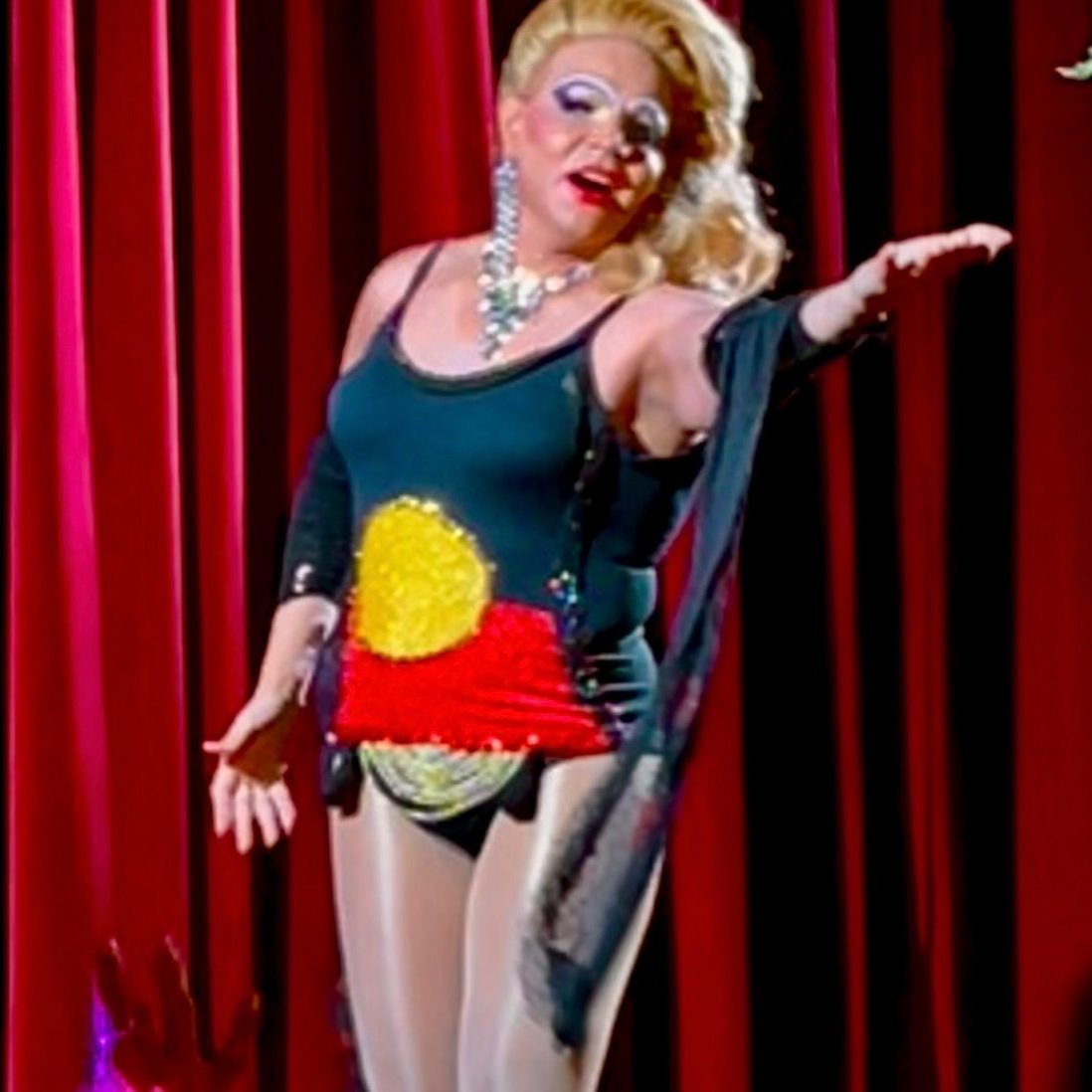
VIC NAIDOC PRIDE GALA 2025
A Moment Set Aside | Max Cooper & Rob Clouth (Official Video by Dimitri Thouzery)
Old-growth forests are not just ecosystems—they are living ancestors, knowledge systems, and life-support, life-giving networks. As Bill Neidjie reminds us, “The earth, I never damage. I look after. The earth looking after me.” This is not metaphor. It is a law of survival. When we damage ancient forests, we break a relationship that has sustained life for tens of thousands of years.
For Aboriginal Australians, Country is not a resource to be used and discarded. It is identity, spirit, and law. Galarrwuy Yunupingu said, “The land is our mother. The land is our backbone. The land is our foundation.” Ancient forests are part of that foundation—complex, irreplaceable systems that hold biodiversity, regulate climate, and store the memory of the land itself.
Yet today, those forests are being treated as commodities. Patrick Dodson warns us that “Country is not a commodity… it is a living entity with a yesterday, today and tomorrow.” When old-growth forests are cleared, we are not just removing trees—we are severing a continuum that links past, present, and future to now.
This destruction carries consequences. Bob Randall put it plainly: “If we don’t look after the land, the land won’t look after us.” Climate instability, biodiversity loss, ecological collapse—these are not distant threats but the direct result of neglecting this responsibility.
At its core, the crisis is about disconnection. Tyson Yunkaporta explains, “If you don’t have a relationship with the land, you will destroy it.” Modern systems that see forests only in terms of profit fail to understand their true value—and in doing so, put all life at risk.
But there is another way to see the world. As Miriam-Rose Ungunmerr Baumann teaches, “We are part of the land and the land is part of us.” Protecting ancient forests is not just environmental action—it is an act of restoring balance, respect, and responsibility.
The message is clear: if ancient forests fall, we do not stand apart from that loss. We fall with them.
—Text generated with AI tool ChatGPT
VIC NAIDOC PRIDE GALA 2025
For over two decades, the Koorie LGBTIQA+ community has been organising nights through Vic NAIDOC to celebrate their blakness and beauty.
Throughout the years, these events have evolved into what we now know as Pride Night, a celebration of culture, family and acceptance. The Vic NAIDOC Pride Gala provides an opportunity for the Koorie LGBTIQA+ community to come together and celebrate their identity in a safe space.
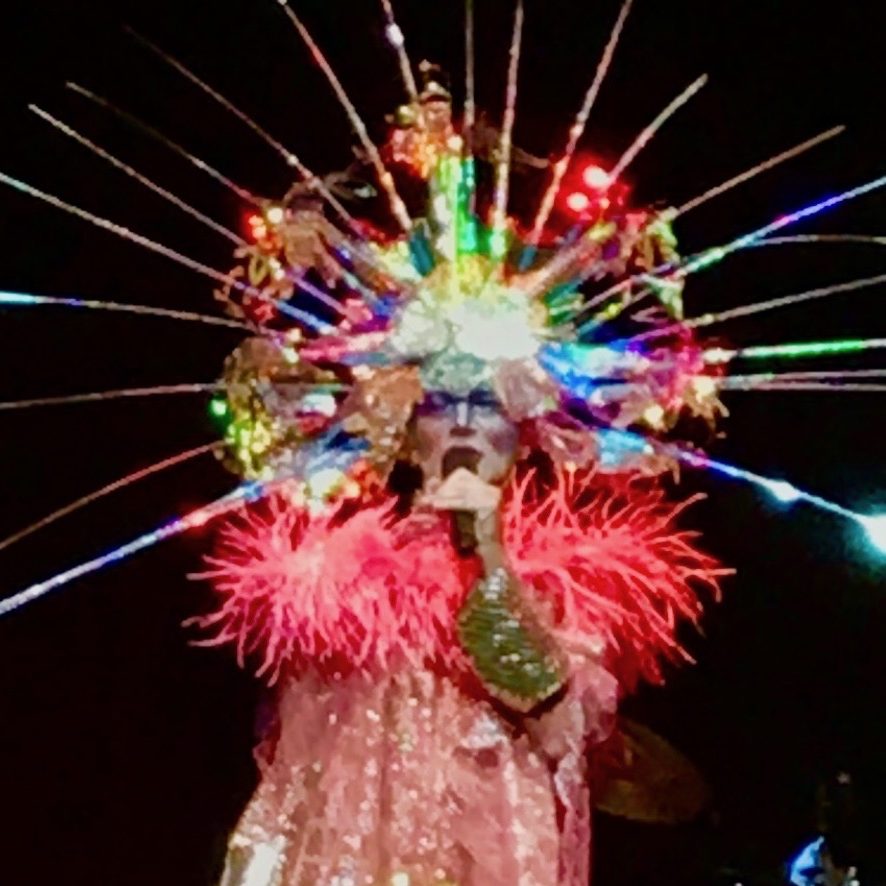
TAYLOR MAC, COSTUMES BY MACHINE DAZZLE
MELBOURNE FESTIVAL 2017
Putting On A Pow Wow, Film by Keeley Gould
“I was not born in America. America was born on our lands.”
Putting On A Pow Wow is a short documentary by filmmaker Keeley Gould (USA) that highlights the cultural and spiritual significance of powwows in Indian American life.
A powwow is much more than a gathering—it’s a living expression of identity, resilience, and community. By bringing together members from hundreds of tribes, these events serve as a powerful space for preserving traditions through dance, music, regalia, and ceremony. They also act as a form of cultural continuity in the face of historical and ongoing challenges such as displacement, assimilation policies, and land rights struggles.
What makes the film especially impactful is how it frames the powwow not just as a celebration, but as a reclamation of Indigenous rites and spirituality. It underscores how culture can be an act of resistance—something that endures and evolves despite centuries of pressure.
At a broader level, the message resonates globally. Indigenous communities around the world continue to fight for recognition, sovereignty, and the protection of their lands and traditions. Films like this help amplify those voices, reminding audiences that these cultures are not relics of the past but vibrant, living systems of knowledge and identity.
—Text generated with AI tool ChatGPT
فال بد أن تعيش أنت
رفعت العرعير
إذا كان لا بد أن أموت
فال بد أن تعيش أنت
لتروي حكايتي
لتبيع أشيائي
وتشتري قطعة قماش
وخيوطا
(فلتكن بيضاء وبذيل طويل)
كي يبصر طفل في مكان ما من ّغّزة
وهو يح ّّدق في السماء
منتظرًاً أباه الذي رحل فجأة
دون أن يودع أحدًاً
وال حتى لحمه
أو ذاته
يبصر الطائرة الورقّية
طائرتي الورقية التي صنعَتها أنت
تحّلق في الأعالي
ويظ ّّن للحظة أن هناك مالكًاً
يعيد الحب
إذا كان لا بد أن أموت
فليأ ِِت موتي باألمل
فليصبح حكاية
ترجمة سنان أنطون
If I Must Die
Refaat Alareer
(Translation Sinan Antoon)
If I must die,
you must live
to tell my story
to sell my things
to buy a piece of cloth
and some strings,
(make it white with a long tail)
so that a child, somewhere in Gaza
while looking heaven in the eye
awaiting his dad who left in a blaze—
and bid no one farewell
not even to his flesh
not even to himself—
sees the kite, my kite you made, flying up above
and thinks for a moment an angel is there
bringing back love
If I must die
let it bring hope
let it be a tale
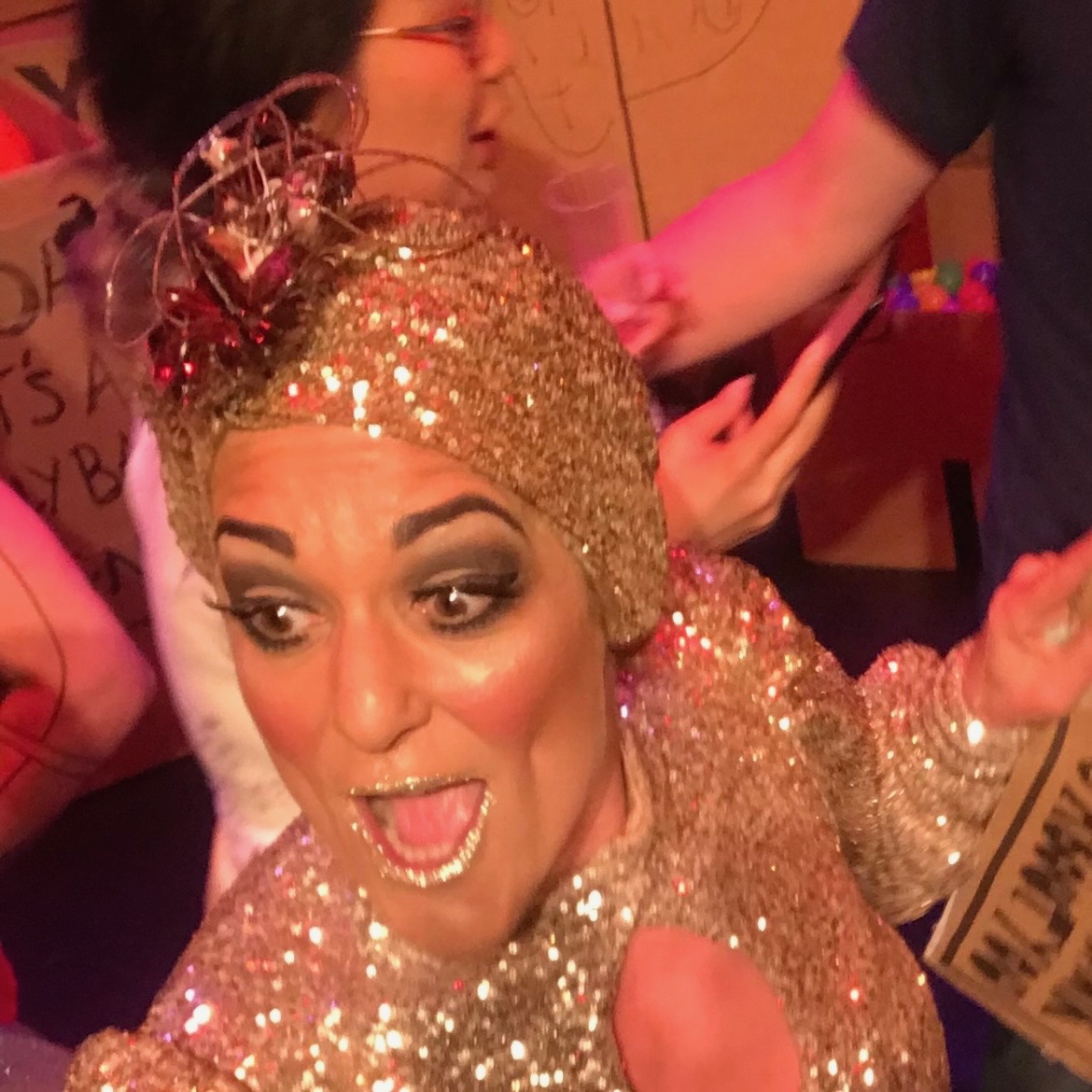
MISS BEHAVE 2019
Where Have All The Flowers Gone, Peter Seeger (Live in Sweden 1968)
Women’s suffrage is the right of women to vote and hold office, a right achieved through prolonged campaigns worldwide. In Australia, South Australia led in 1894, and the 1902 Commonwealth Franchise Act granted white women federal voting rights, though First Nations women were largely excluded until 1962. Globally, major milestones included the 19th Amendment in the U.S. (1920) and various victories in the early 20th century, culminating in nearly universal suffrage today.
Key Milestones in Australia
1962: Indigenous women and men are granted the right to vote in federal elections.
1894: South Australia becomes the first Australian colony—and one of the first in the world—to grant women both the right to vote and stand for election.
1899: Western Australia grants women the right to vote.
1902: The Federal Commonwealth Franchise Act 1902 allows women to vote and stand for federal parliament. However, it specifically excluded non-white people (Aboriginal natives of Australia, Asia, Africa, and Pacific Islands) unless they had state-level rights.
1921: Edith Cowan is elected as the first woman in an Australian Parliament (Western Australia).
—Text generated with AI tool ChatGPT
There are 8.2 billion human beings on the planet this year (2024), and the projection for 2050 is 9.7 billion. A peak of 10.3 billion inhabitants is expected in the mid of 2080s, at which point the world population is expected to head downwards reaching 10.2 billion in 2100. Whereas the populations of some countries continue to grow quickly, other countries are seeing population shrinkage. Concomitantly, the world’s population is aging as life expectancy at the global scale continues to rise and fertility to fall. These are some of the major takeaways from the latest United Nations world population estimates and projections (World Population Prospects: The 2024 Revision).—INED. Continue reading here
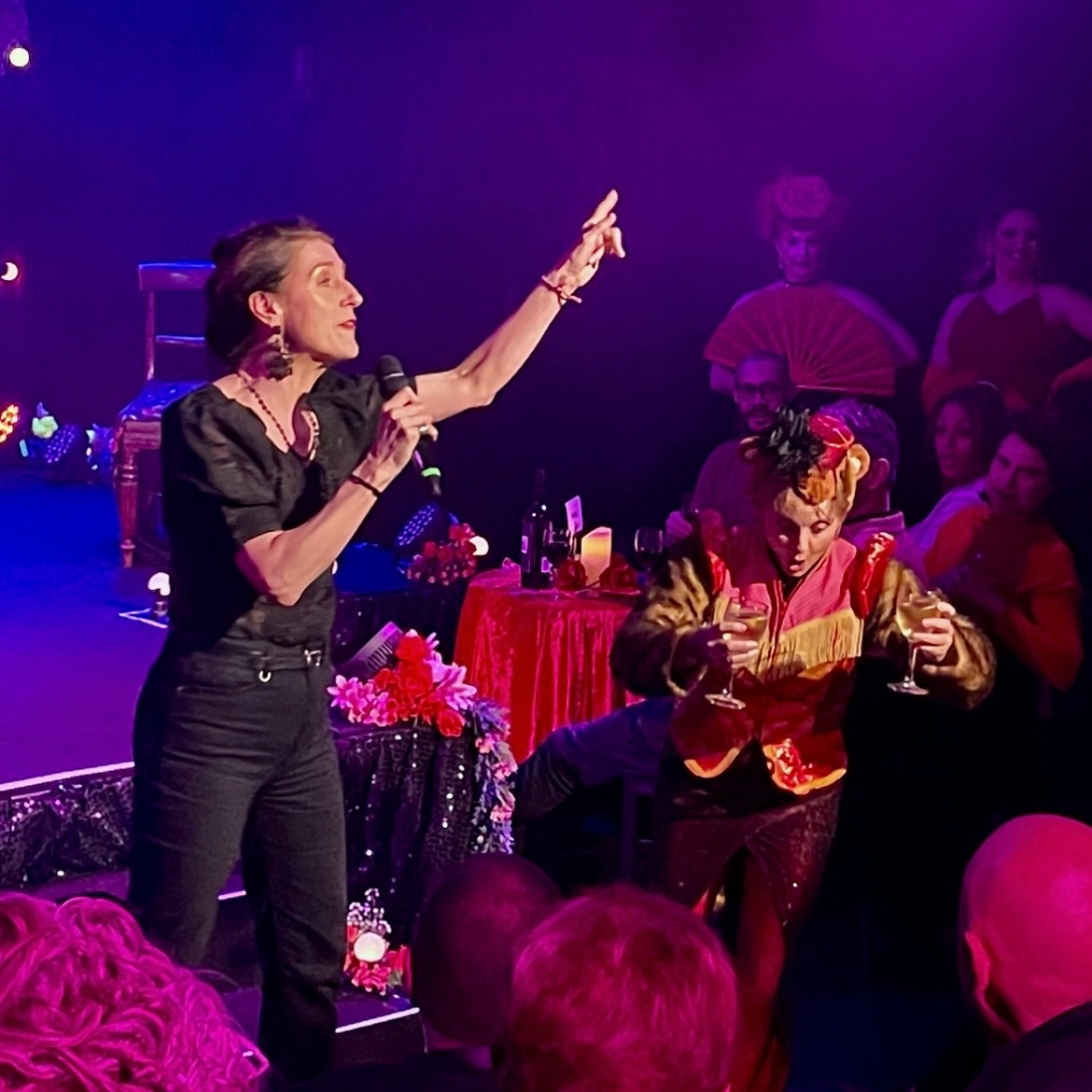
MOIRA FINUCANE 2024
Work For Peace, Music by Gil Scott-Heron
Land mines and limbs
Missiles and men
Drones and dispossession
What size are you
Ask the women
Dunno Ma
Look
No hands
No feet
Moira Finucane is a genre-defying Melbourne performance artist who merges burlesque, theatre, and activism into bold, visually rich works about humanity and the planet. Emerging from the city’s underground and queer performance scenes in the early 1990s, she has developed a distinctive style combining visual spectacle with emotional intensity.
As co-founder of Finucane & Smith, she has created acclaimed works including The Burlesque Hour, Carnival of Mysteries and Glory Box. Her performances blur the boundaries between cabaret, theatre and ritual, and have been staged in venues such as Arts Centre Melbourne as well as independent spaces.
A defining aspect of Finucane’s work is its engagement with environmental and social themes. Drawing on her background in environmental science, she explores ecological crisis alongside questions of gender, power and desire. Across her career, she has remained a key figure in Melbourne’s performance scene, known for pushing the expressive possibilities of cabaret and live art.
—Text generated with AI tool ChatGPT
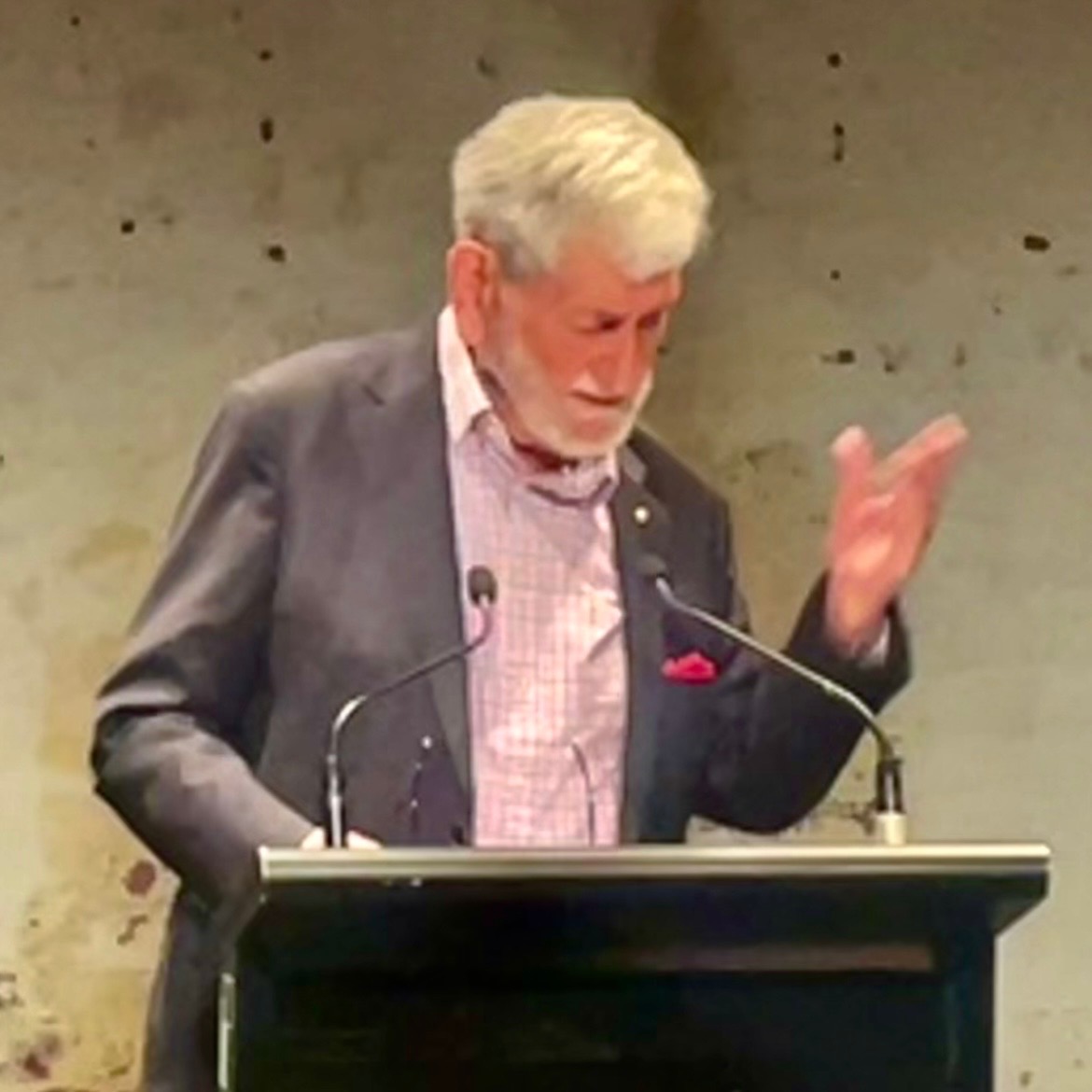
BARRY JONES 92ND BIRTHDAY, OCTOBER 2024
The Journey Towards Human Rights, Narrated by Morgan Freeman
The Universal Declaration of Human Rights (UDHR) is a milestone document in the history of human rights. Drafted by representatives with different legal and cultural backgrounds from all regions of the world, the Declaration was proclaimed by the United Nations General Assembly in Paris on 10 December 1948 as a common standard of achievements for all peoples and all nations. It sets out, for the first time, fundamental human rights to be universally protected.—UDHR. Continue reading here
Barry Jones AC (b. 1932) is a politician, lawyer and writer. He was educated at the University of Melbourne and worked as a public servant and high school teacher before rising to fame as Australia’s Quiz champion from 1960 to 1968. He became the country’s first talk-back radio host, then lectured in History at La Trobe University before becoming a State Labor MP in 1972. Throughout the 1970s he took a leading role in reviving the Australian film industry. He entered federal parliament in 1977 as the member for Labor; between 1983 and 1990 he held the portfolios of Science, Prices and Consumer Affairs, Small Business and Customs. He was a member of the executive board of UNESCO in Paris from 1991 to 1995, was National President of the Australian Labor Party from 1992 to 2000, Vice President of the World Heritage Committee from 1995 to 1996, and was Deputy Chairman of the Constitutional Convention in 1998. Jones has written a number of influential books, of which the best known are the international best-seller Sleepers, Wake!: Technology and the Future of Work, and the Dictionary of World Biography.
In 1993 Jones was recognised as an Officer of the Order of Australia for his services to the promotion of science, the arts and film, writing and Australian politics, in 1998 he became a National Living Treasure; and in 2014 he was made a Companion of the Order of Australia.
—National Portrait Gallery Australia
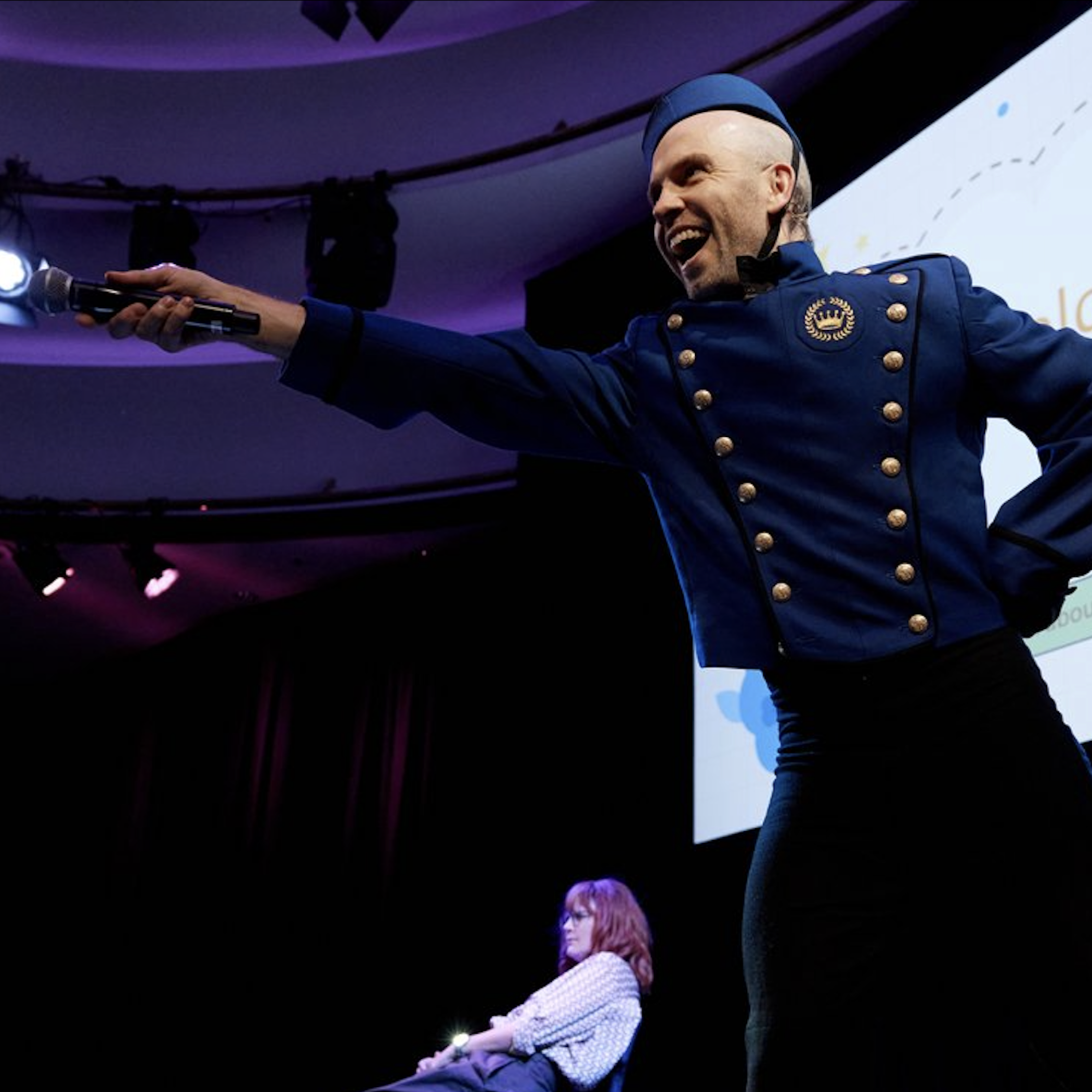
8/8/8: WORK, RISING 2024
IMAGE COURTESY OF MARCUS IAN MCKENZIE
Sit Around The Fire, Music by Jon Hopkins with Ram Dass, East Forest. Music Video by Tom Readdy and Lucy Dawkins.
Boundary lines, of any type, are never found in the real world itself, but only in the imagination of mapmakers.
—Ken Wilber
RISING is a major annual winter arts and culture festival held in Melbourne featuring a diverse, immersive, and often edgy program of new art, music, performance, and public installations. Running throughout June, it transforms the city’s streets and venues after dark, focusing on contemporary culture, light installations, and First Nations storytelling.
Rising replaced the Melbourne International Arts Festival and White Night, serving as Melbourne’s premier winter arts festival.
—Text generated with AI tool Google Gemini
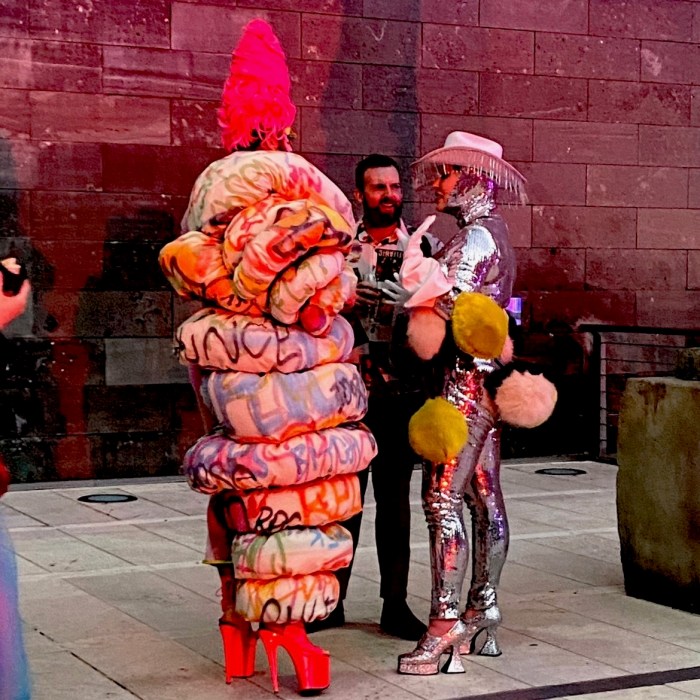
QUEER GALA 2024
Peace Exists Here | Max Cooper (Official video by Xavier Chassaing)
To the People of Melbourne,
Since birth I have always transmitted, through resplendent art, a message of Love to the world. It is Love that illuminates our lives and makes life beautiful. I aim to deliver in my art a heartfelt prayer. My hope is to experience the beauty of a world Where Peace and Love have fully arrived. It is in celebration of this everlasting hope that l offer Love to my eternal humankind.
—Yayoi Kusama 2024