The West St Kilda Residents Association is a not-for-profit, volunteer, community-based organisation of West St Kilda residents. It is non-sectarian and not politically partisan.
Its general objective is to serve the community interests of West St Kilda residents.
The West St Kilda Residents Association aims to provide an open and public forum for all West St Kilda residents to express their views and to be informed on issues relating to their community.
– Preserving and enhancing neighbourhood character and residential amenity
– Town planning, traffic management, parking regulation and public transport, and
– Preservation of heritage buildings.
The West St Kilda Residents Association promotes integrated planning, active consultation, communication and engagement between all stakeholders in the neighbourhood.
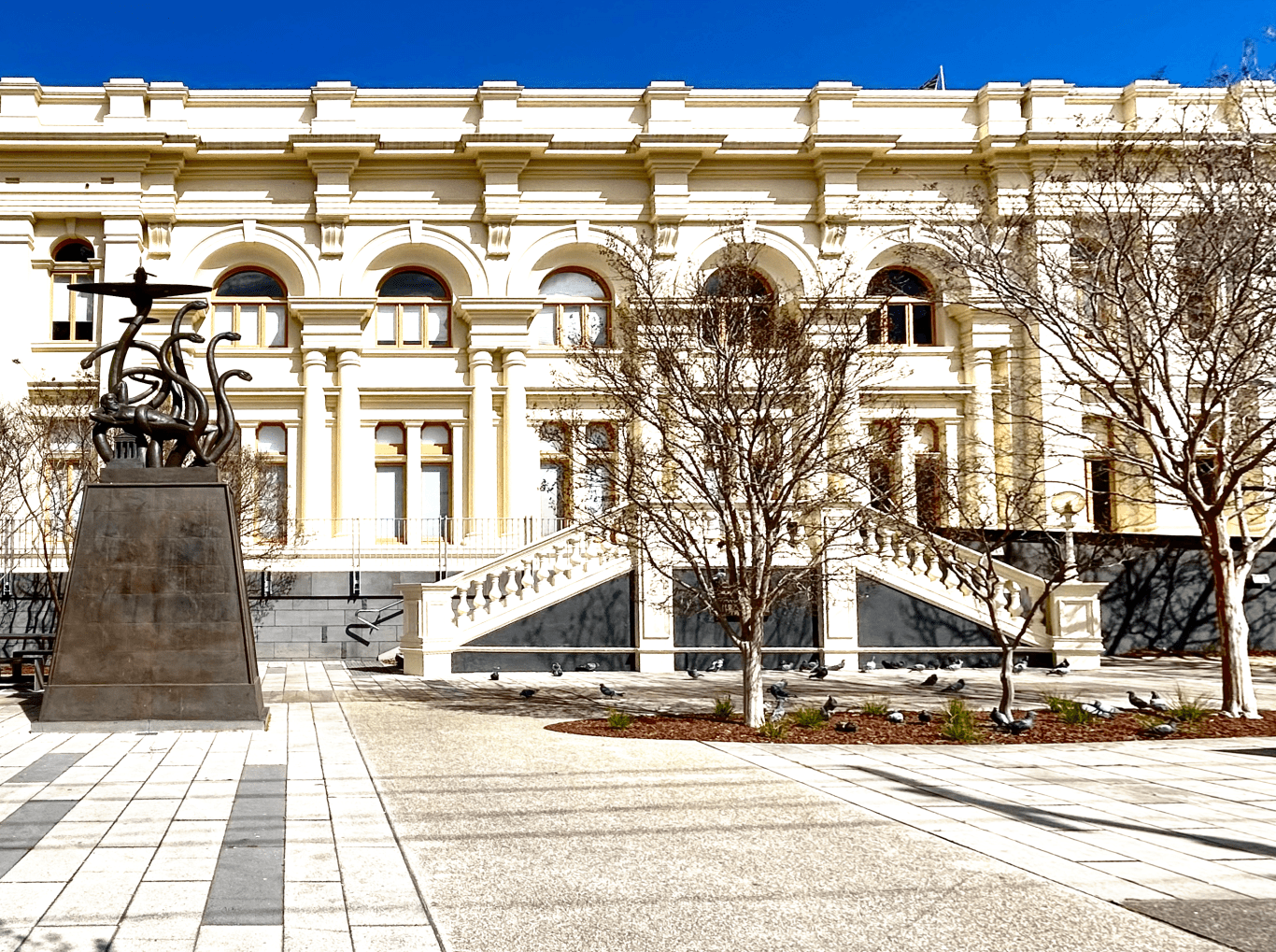
The West St Kilda Residents Association was formed on 23 March 1999 at a public meeting of about 100 residents of the West St Kilda area at what was then the West St Kilda RSL Club at 23 Loch Street.
The membership adopted Model Rules for an Incorporated Association and applied for incorporation on 8 June 1999 under the Associations Incorporations Act of 1981. This was granted on 18 June 1999.
After the Victorian State Government passed the Associations Incorporation Reform Act of 2012, the West St Kilda Residents Association Committee drafted a set of rules based on the new model, with changes to suit our specific requirements. These were approved at the 13 November 2013 AGM and accepted by Consumer Affairs Victoria.
The West St Kilda Residents Association is non-sectarian and not politically partisan.
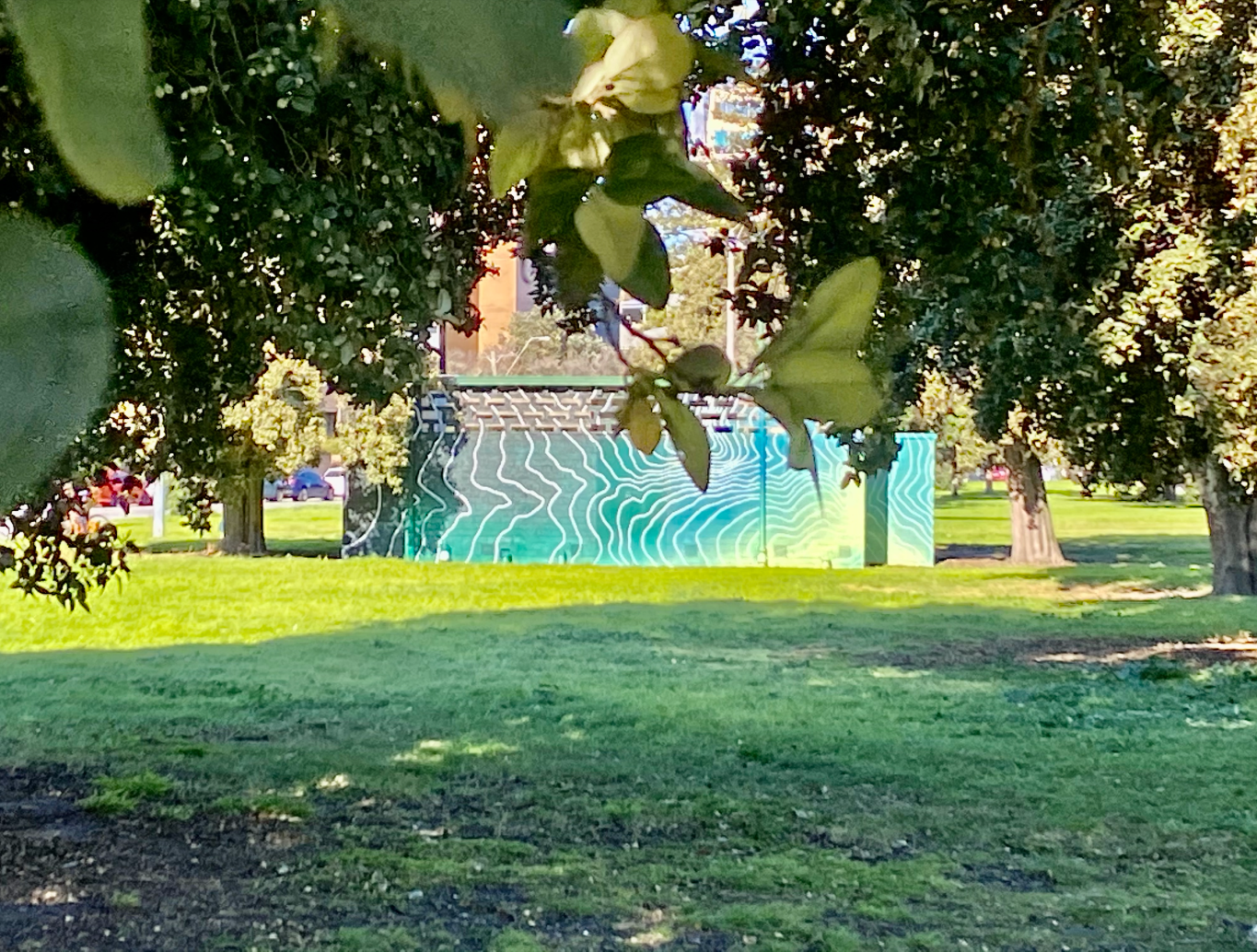
CONTOURS OF CATANI
A public amenity uplift project
One of the public toilets in West St Kilda is located in Cummings Reserve, on the wide nature strip on Beaconsfield Parade. Its location is in a prime entertainment, sports, leisure and residential area in one of Melbourne’s treasured beachside locations.
The old brick toilet block had been slated for demolition by Port Phillip City Council, but due to more delays in the implementation of plans and the severe lack of upkeep, the public amenity had become a local blight. It is, however, a perfect canvas for public art.
That old, unwelcoming toilet block is now a welcome community landmark. We can only encourage Council to consider building the new design replacement toilets next to the existing structure or in another location nearby—after all, this open-air brick toilet block must be the last of its generation in our bayside city.
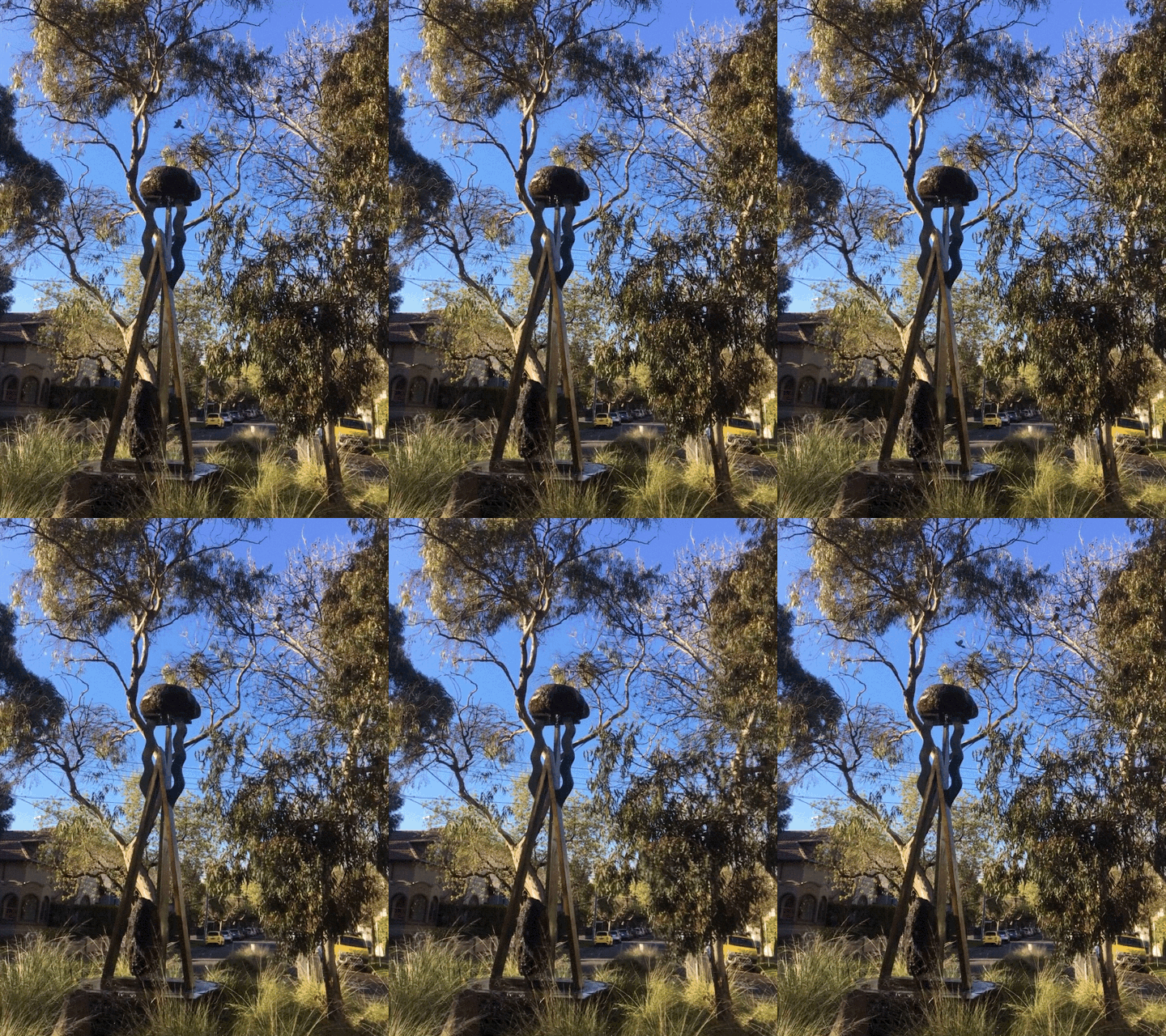
BAY TOTEM
A commemorative public art project
From the Creative Brief (August 2000) of the Sculpture Fountain Commission:
“Artists are invited to submit concepts for a sculpture fountain that both meets the commemorative aspect of Federation and blends harmoniously with a spectacular yet sensitive environment. It is envisaged that the proposed installation should be enduring and provide a new icon of historical and cultural significance to the City of Port Phillip and greater Melbourne.
The aim of the project is to mark one hundred years of Australian nationhood around a theme that may be described as ‘emerging together’- a concept equally relevant to Australia in the next one hundred years as we tackle the remaining tests of tolerance and reconciliation. The water element symbolic of continuity and an ongoing process of calmness and healing.
In developing this theme artists may wish to consider Federation in its broadest context: how do we view it, what does it mean to us? How to describe in visual terms what came out of this era—an upsurge of new ideas and international influences, a wider recognition of the hemisphere in which we live, or a re-affirmation of our own national identity?
Alternatively, we may see this process in human terms: as a new beginning, to give us an occasion to review our history and challenge attitudes to Indigenous cultures and to successive immigrant groups. It may also be a spiritual journey, contemplative and reassuring of our ability to connect, change and evolve over time.”
Commissioned jointly by the City of Port Phillip and the West St Kilda Residents Association.