[JUST ABOUT NOW IS A COLLECTION OF THINGS HAPPENING IN OUR SPACES & PLACES, PHYSICAL & DIGITAL, intersecting past, present, future, CREATIVITY, CULTURE & COMMUNITY INTO the NOW. STITCHED TOGETHER BY GEROME FOR WSKRA.COM]
COMMUNITY SAFETY.
In a nutshell: Recent statistics indicate a rise in crime rates in Victoria, linked to the cost of living. In the City of Port Phillip, theft comprises 43% of total victim reports. To effectively combat theft, understanding its root causes—such as socioeconomic disparities, substance abuse, and mental health—is crucial. While community safety can be enhanced through increased police visibility and engagement, experts argue that addressing underlying social factors is more effective in the long term. A balanced approach, combining community participation with strategic law enforcement, emphasises education and open dialogue to counter the belief that more policing directly correlates with reduced crime.
Data collection for statistical purposes are intended to allow researchers to draw informed and unbiased analyses and meaningful conclusions about a population based on the collected data. These must never be used to incite a moral panic for political gain or scapegoating.
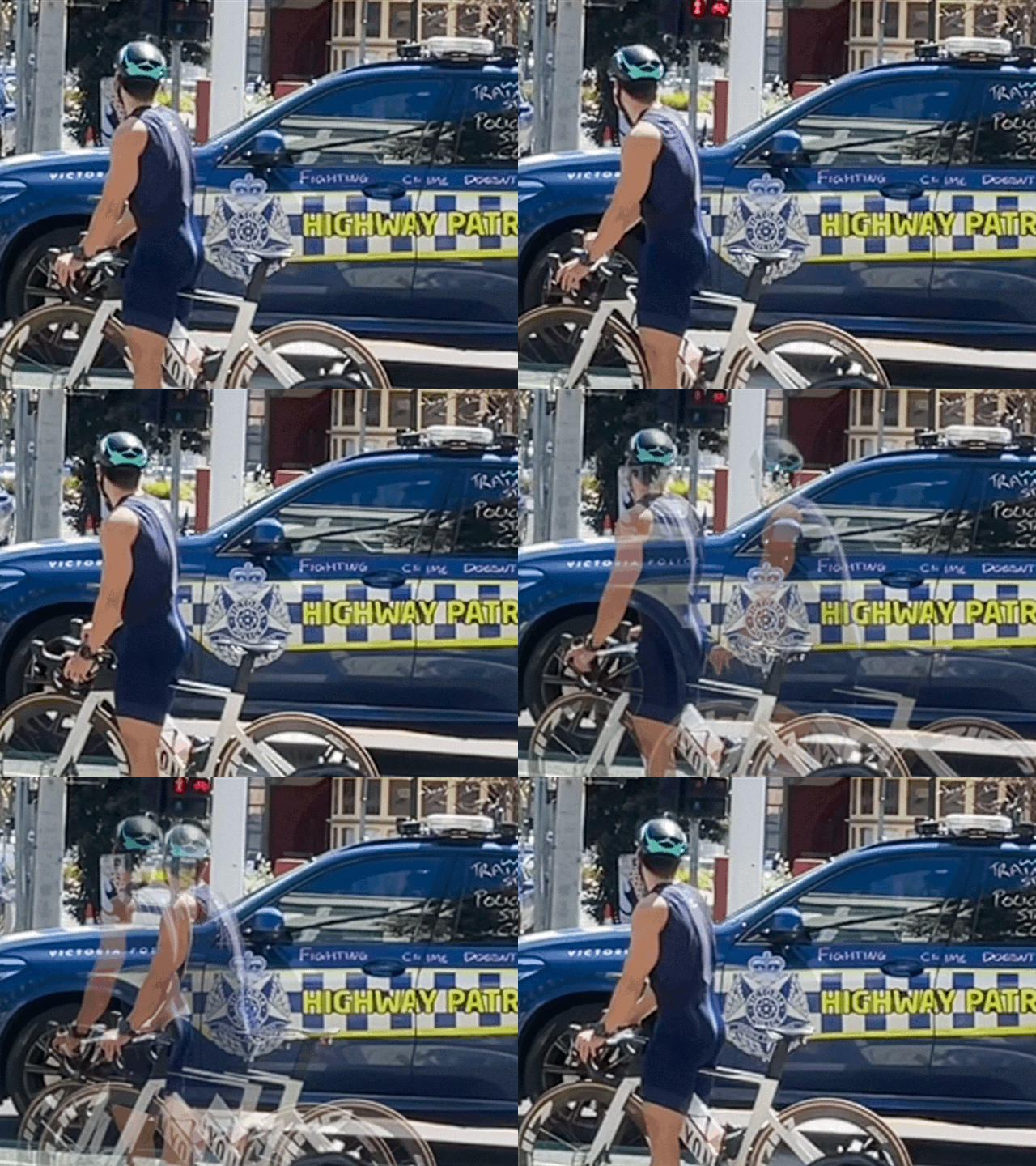
Why do inequality and deprivation produce high crime and low trust? | Scientific Reports | Benoît De Courson, Daniel Nettle (January 2021)
“Humans are often described as an unusually cooperative or ‘ultrasocial’ species. The truth is more complex: humans from the same society can cooperate for mutual benefit; or they can simply co-exist; or they can actively exploit one another, as in, for example, crime. A theory of human sociality should ideally predict what mix of these alternatives will emerge under which circumstances. Comparing across industrialised societies, higher inequality—greater dispersion in the distribution of economic resources across individuals—is associated with higher crime and lower social trust.”–Benoît De Courson, Daniel Nettle
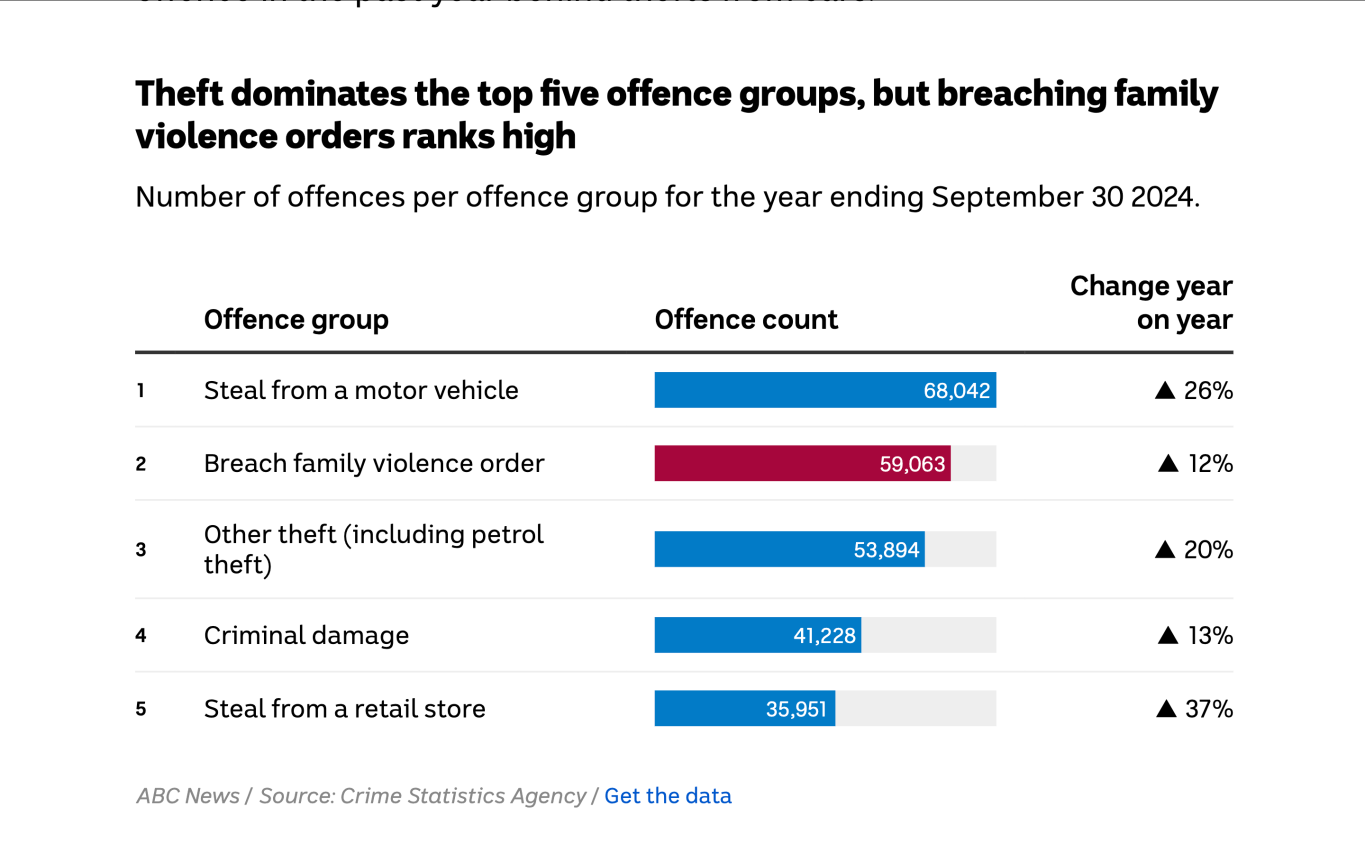
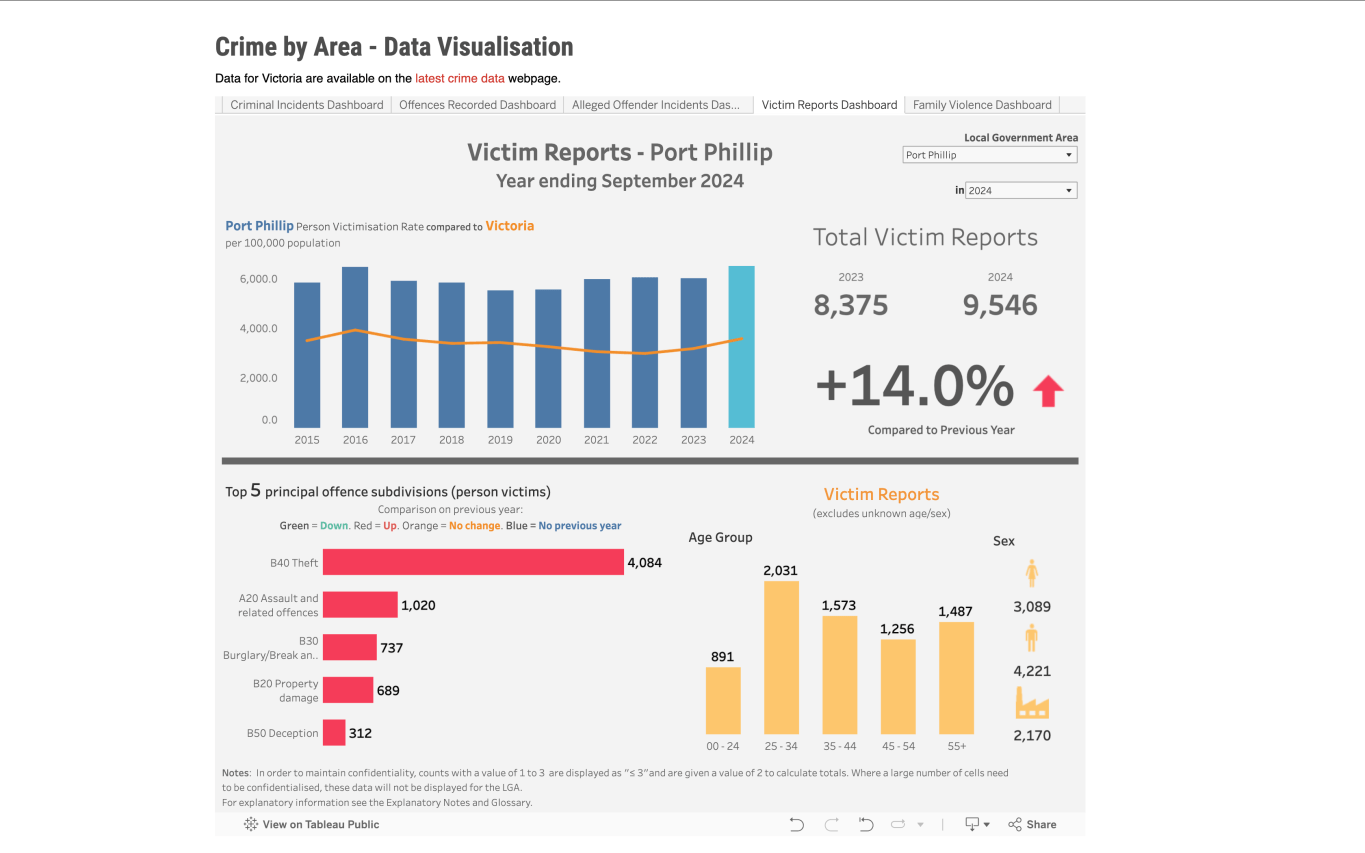
Latest crime data by area | Crime Statistics (access the live data through the link)
In the City of Port Phillip, Theft accounts for 43% of total victim reports.
Why do people steal? And why is theft so prevalent in one of Melbourne’s more affluent local government areas? In particular, why is stealing from motor vehicles so rampant?
How does retail theft from major supermarket chains like Coles and Woolworths compare to theft from other retail outlets? What items are stolen most often?
Do people steal out of necessity (food) or envy (fast cars)? For status (fashion)? For pleasure (just for fun)? Or for a fix? What goods are being traded at cash converters?
A deeper level of granularity will provide the necessary insights into the key drivers of theft, helping to identify the most effective—and cost-effective—strategies to curb it.
How can theft be avoided? Neighbourhood Watch Victoria recommends we do our part:
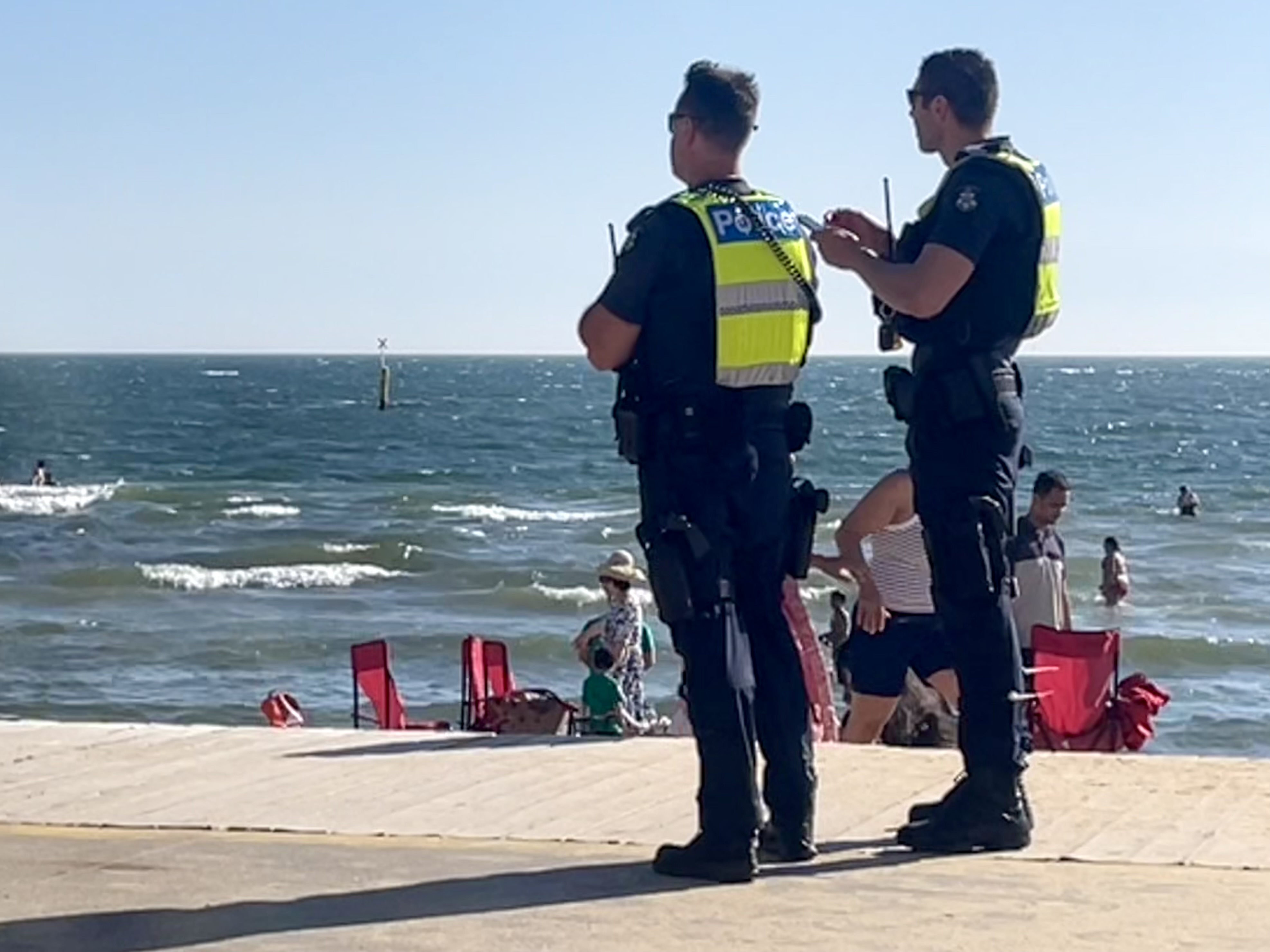
“Law enforcement visibility can refer to the deliberate increase of police presence in a community, to reduce crime, improve public safety, and increase public confidence.
“Some say that increasing police visibility can increase the number of people caught for some types of crime, but it may not be a long-term or cost-effective crime reduction solution. Others say that the new high-visibility status of police work undermines public trust and challenges police legitimacy.”—Gen.AI+
“Law enforcement officers are responsible for protecting the public and preventing illegal acts, but they also have the authority to arrest people. Police can arrest someone if:
–The person is committing a traffic offense and refuses to give their name and address;
–They have a warrant for the person’s arrest;
–They reasonably suspect the person has committed an offense;
–They find the person committing an offense;
–The person has breached bail conditions; or
–The person is trying to escape from custody.”—Gen.AI+
Code of Conduct for Law Enforcement Officials | United Nations Human Rights (1979)
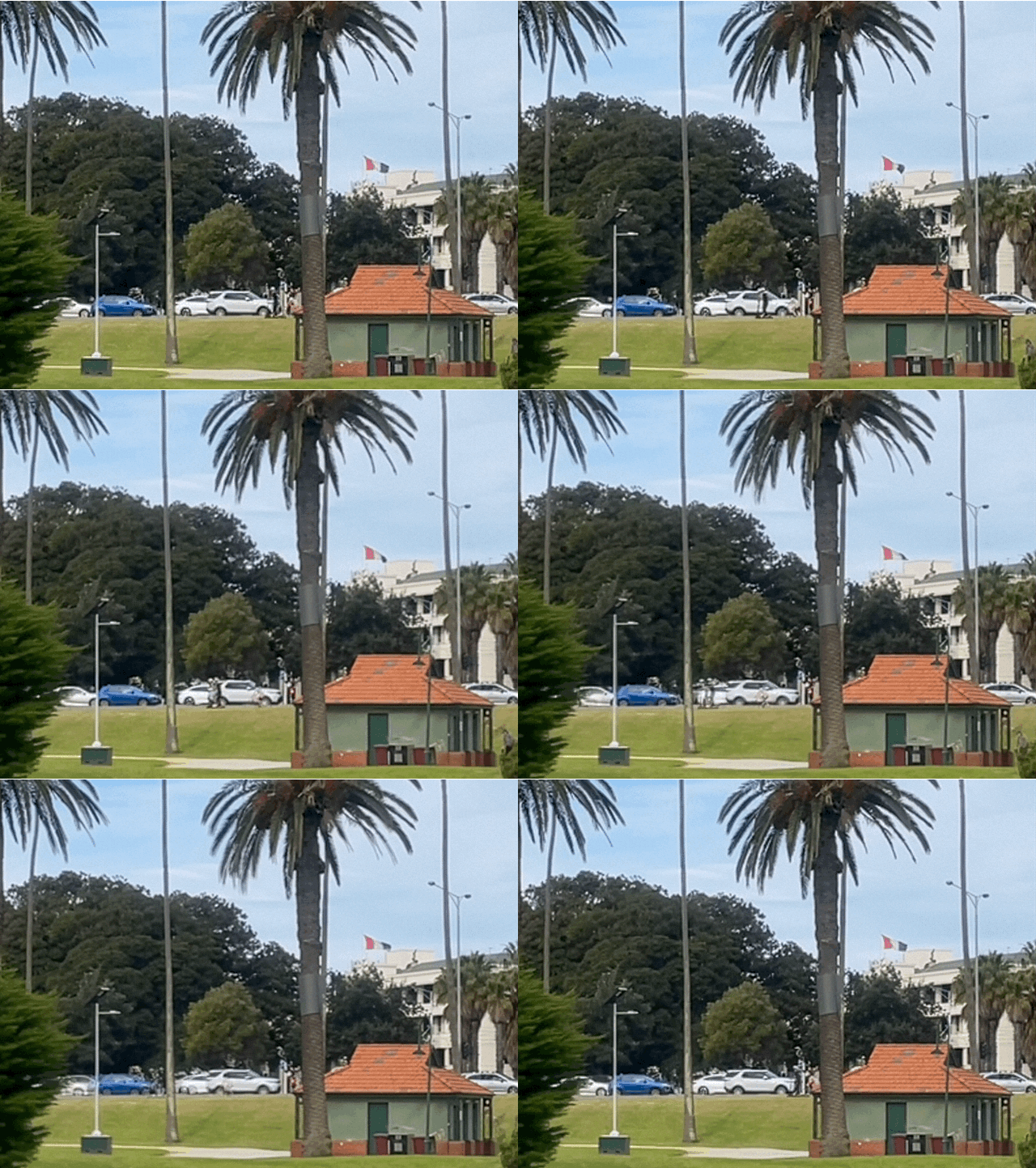
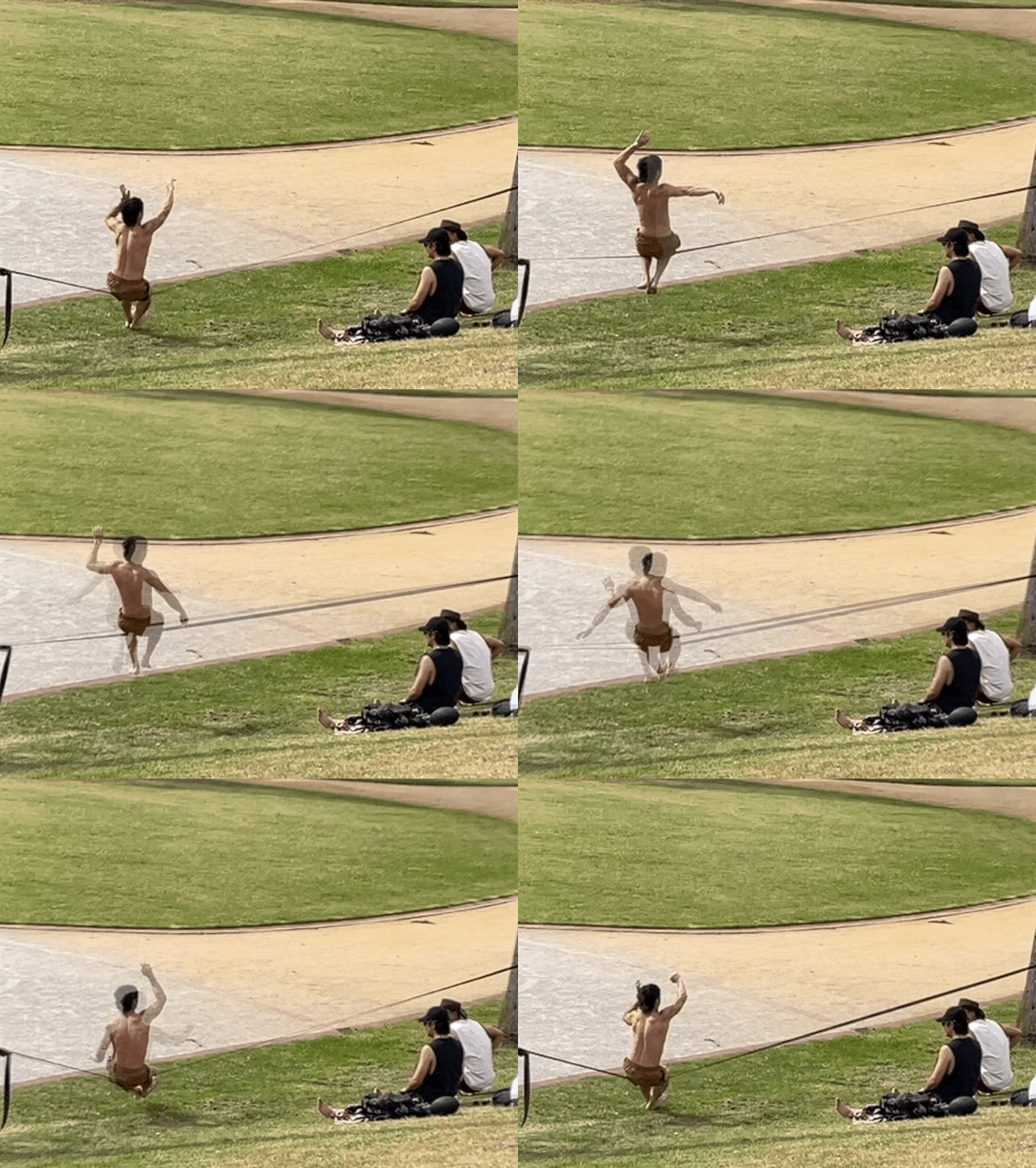
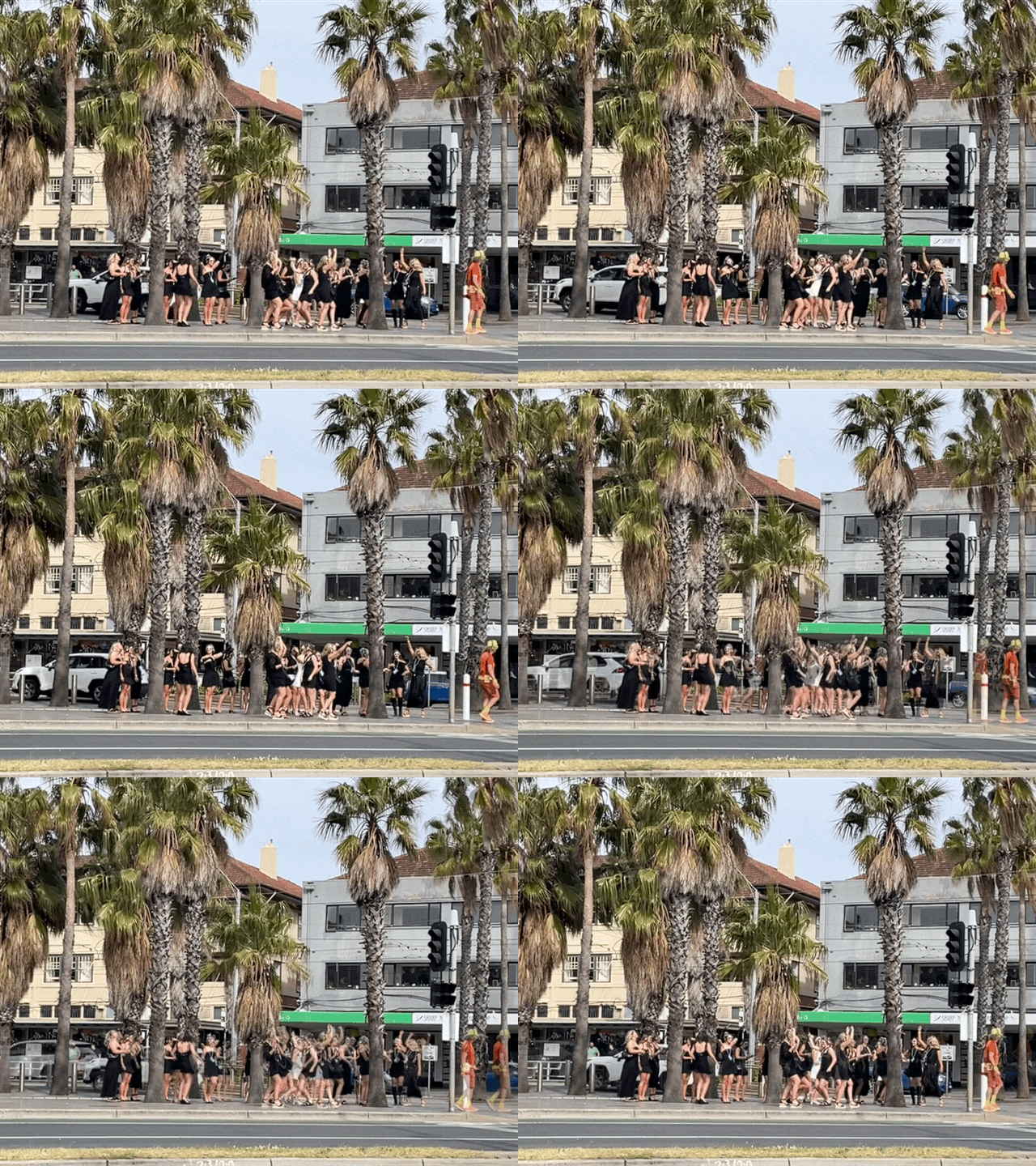
The harms of criminalising public drunkenness | 360edge
“As is often the case with criminal laws that target alcohol and other drug use, these measures disproportionately impacted the most vulnerable in the community.
“Public drunkenness is a relatively common sight on any Friday and Saturday night, but it is commonly only viewed as a disturbance outside socially accepted times and places. This means public drunkenness laws are most often targeted towards alcohol dependent people, who may be drinking during the day or at socially inappropriate locations.
“Many people intercepted for public drunkenness have experiences of homelessness, mental health issues, disability, violence or trauma. For some people who are socially isolated, drinking in public gives a sense of social connection or can be seen as a tool to cope with challenging life circumstances.
“It is widely acknowledged that criminal laws against public drunkenness disproportionately impact Aboriginal and Torres Strait Islander people.”
Decriminalisation of public drunkenness in Victoria | Alcohol & Drug Foundation
“Alcohol use is a public health issue, not a criminal justice issue.”
“It is no longer a criminal offence in Victoria to be intoxicated (affected by alcohol) in public. Police cannot arrest, detain or fine you for this offence. They still have powers to arrest and detain you for other public order offences.”
[Public order offences include disorderly conduct, unlawful assembly, homelessness, prostitution, and drug and alcohol offences.]

Why do people commit crimes? (Nine Reasons) | Alliant International University
Psychosocial Factors Behind Criminal Behaviour
1. Socioeconomic Disparities
2. Family Dynamics
3. Peer Influence
4. Substance Abuse
Environmental Triggers of Criminal Behaviour
5. Urban Settings
6. Lack of Access to Education and Criminal Engagement
7. Unemployment
Psychological Drivers of Criminal Acts
8. Mental Health Disorders
9. Impulse Control
Types and causes of crime in urban areas:
1. Crime against property, such as theft, arson, vandalism, smuggling, or fraud
2. Crime against the person, such as murder, manslaughter, assault, or battery
3. Crimes against authority, such as rioting, sabotage, or treason
Crime in urban areas can be caused by a number of factors, including economic inequality, social factors, and population density.
Economic inequality
1. Economic disparities are more pronounced in urban areas.
2. Low socioeconomic standing, such as low income or poverty, is linked to a higher likelihood of incarceration.
Social factors
3. Anonymity in cities can reduce social control and increase the likelihood of deviant behaviour.
4. Rural areas have stronger social bonds and informal social control mechanisms.
Population density
5. More people in a given area increases the likelihood of criminal activity.
6. In densely populated areas, there are more opportunities for criminal encounters.
Other factors
7. Unemployment is sometimes associated with crime, but the relationship is not always clear.
8. Limited law enforcement resources in rural areas may affect crime reporting and response times.

Does increased surveillance in urban areas deter crime effectively? | Sam Wilks (June 2024)
“While increased surveillance in urban areas can contribute to the deterrence of crime, it is not a panacea. Its success depends heavily on the context in which it is used and the manner of its implementation. A holistic approach, which addresses the underlying social and economic causes of crime and involves community participation, is crucial. Only then can surveillance be a useful tool in the broader repertoire of urban crime prevention strategies. Thus, as cities continue to grow and evolve, so too must our strategies for maintaining law and order, always mindful of the fine balance between securing our streets and safeguarding our freedoms.”—Sam Wilks
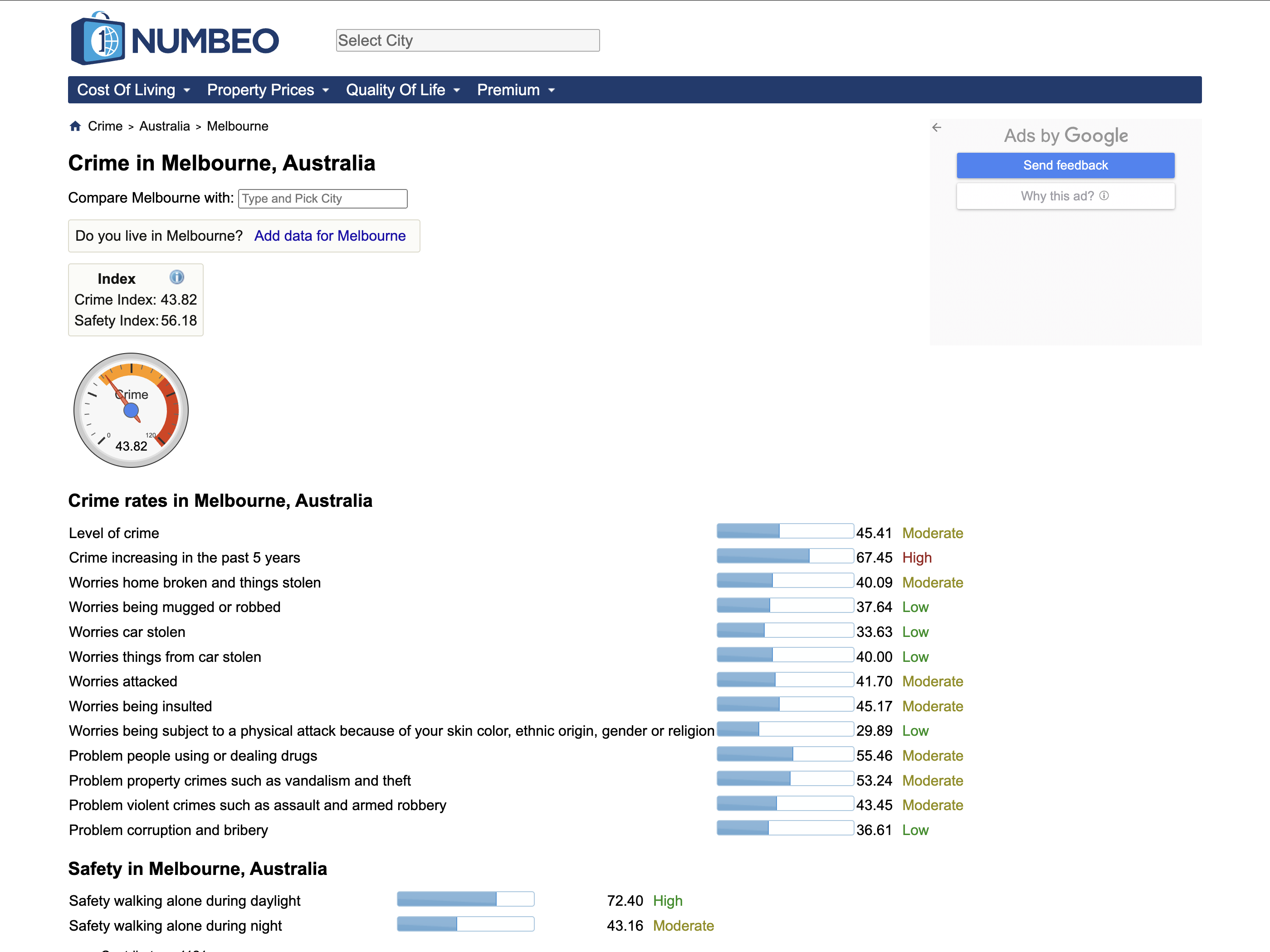
Crime Rate in Melbourne, Australia | Numbeo
In 2024, Melbourne was not listed among the most dangerous cities in the world. The list contained 333 entries.
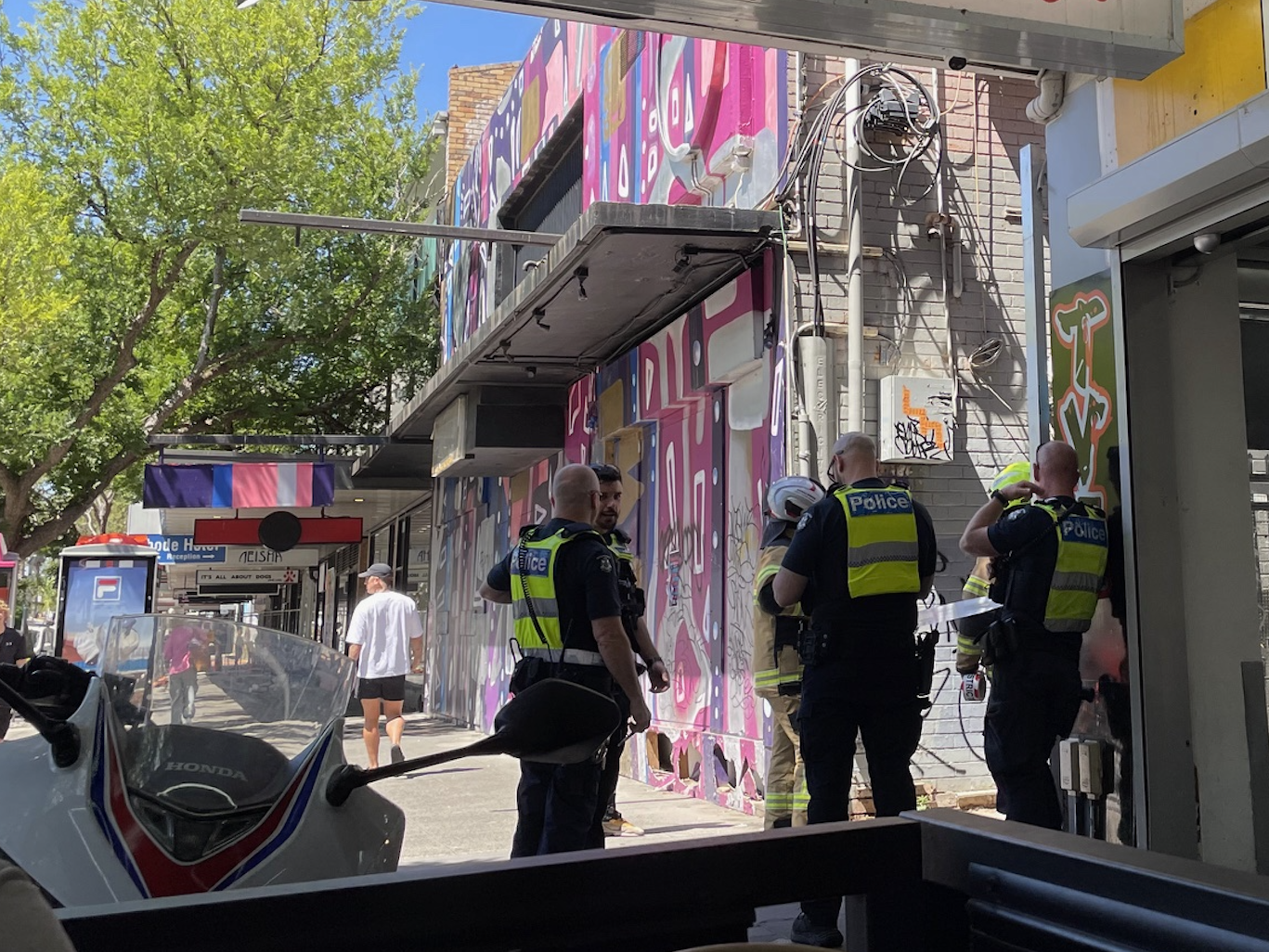
Is our local area, the City Of Port Phillip, unsafe (=dangerous) or are there specific pockets that feel or look unpleasant, intimidating or ugly, or all that? Factors like poor lighting, visible neglect, or groups of people whose appearance or behaviour may seem unsettling—whether or not they pose an actual threat—can contribute to feelings of discomfort, anxiety, or unease.
Do reckless driving, in particular rat racing and hooning, or homelessness and public drunkenness, or occupying public spaces and some littering and some pissing in your garden, lead us to unfairly associate all bad drivers, bikies, petrolheads, rough sleepers and drunks with danger?
Addressing the growing public perception that “crime is rampant in our neighbourhood” and that “more policing means less crime, safer communities and greater feelings of safety” requires a mix of education, transparency, and evidence-based policy discussions.
Some key approaches:
1. Public Education on Crime Prevention
Inform the public that while police presence can deter certain crimes, addressing root causes (poverty, mental health, substance abuse) is equally, if not more, important for long-term safety. Public campaigns and community forums can help shift the focus from just enforcement to prevention.
2. Data-Driven Crime Reporting
Share crime statistics and research showing the complexities of crime reduction. Highlight studies demonstrating that social programs, improved urban planning, and community policing can be just as effective as increased police numbers.
3. Community Engagement and Transparency
Encourage dialogue between police and communities to clarify what actually improves safety. When people see that proactive engagement, mental health interventions, and rehabilitation programs reduce crime, they may rethink the assumption that more officers automatically mean safer streets.
4. Balanced Policing Approach
Showcase successful models where a mix of community-based policing and strategic enforcement has improved safety, rather than simply adding more officers. This can include examples from both local and international contexts.
5. Media and Political Discourse
Challenge simplistic narratives in media and politics that equate more police with less crime. Encourage leaders and journalists to focus on nuanced discussions about crime trends, policing strategies, and social interventions.
While an increased police presence and surveillance can contribute to crime prevention, the root causes of crime—such as socio-economic factors, education, and mental health—often lie beyond law enforcement’s direct control. The idea that harsher policing automatically reduces crime is indeed contested, and Victoria Police’s softer approach at public spaces seems to have fostered a more cooperative relationship with the community.
Nonetheless, while a softer policing strategy helps build public trust and improve community relations, it may not always be effective in dealing with more serious or violent crimes. Certain situations may require a firmer response to maintain order and safety. Additionally, relying too much on public goodwill without addressing systemic issues—such as repeat offending, organised crime, disinformation and radicalisation, or the limitations of surveillance—could undermine long-term crime prevention efforts.
A targeted approach in policing, combining community engagement with strategic enforcement, can help maintain public trust while ensuring effective crime prevention. This could mean a visible but approachable police presence at public spaces while deploying more assertive tactics when dealing with serious crime (e.g. hooning), gangs, or repeat offenders (e.g. domestic violence).

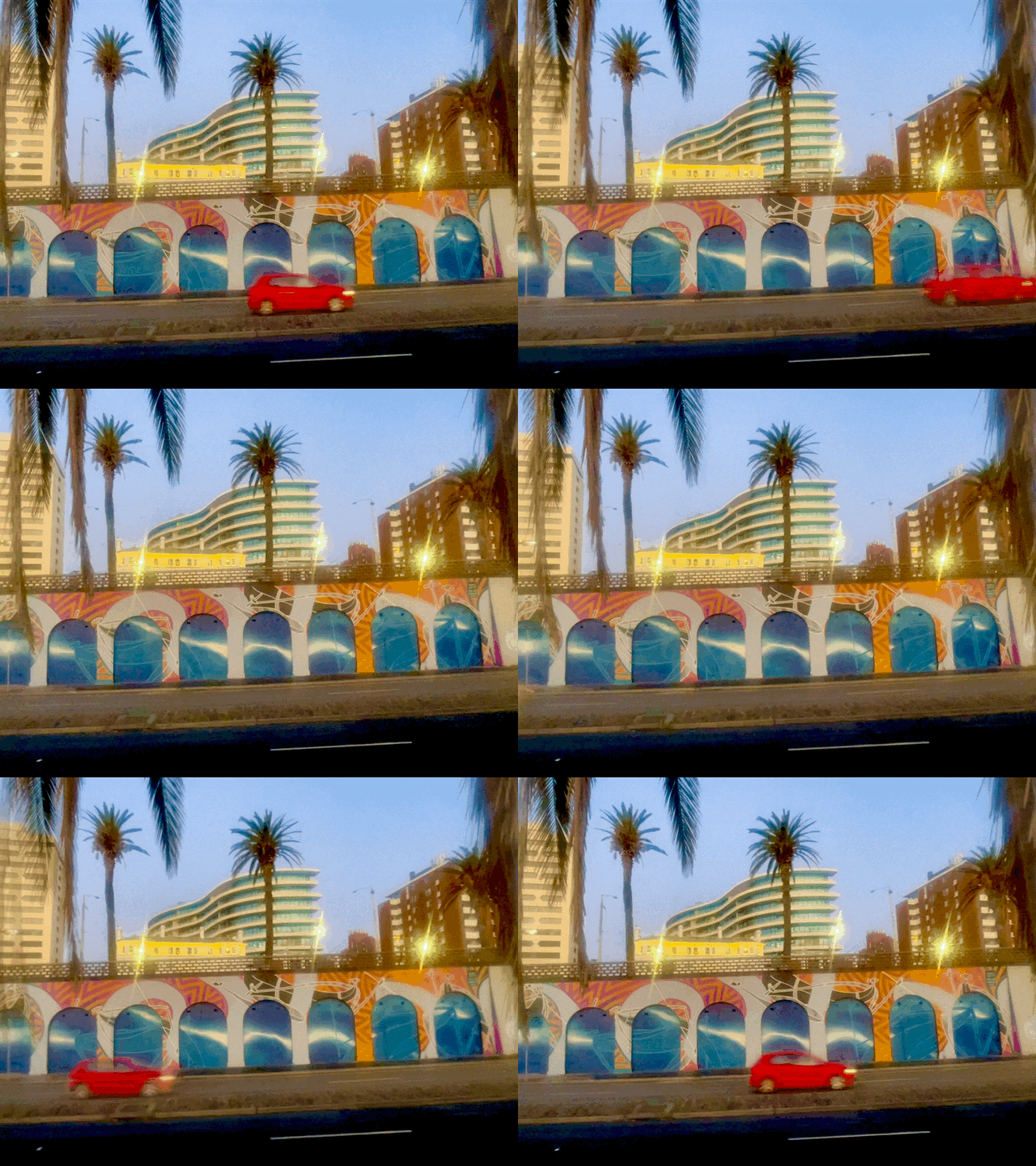
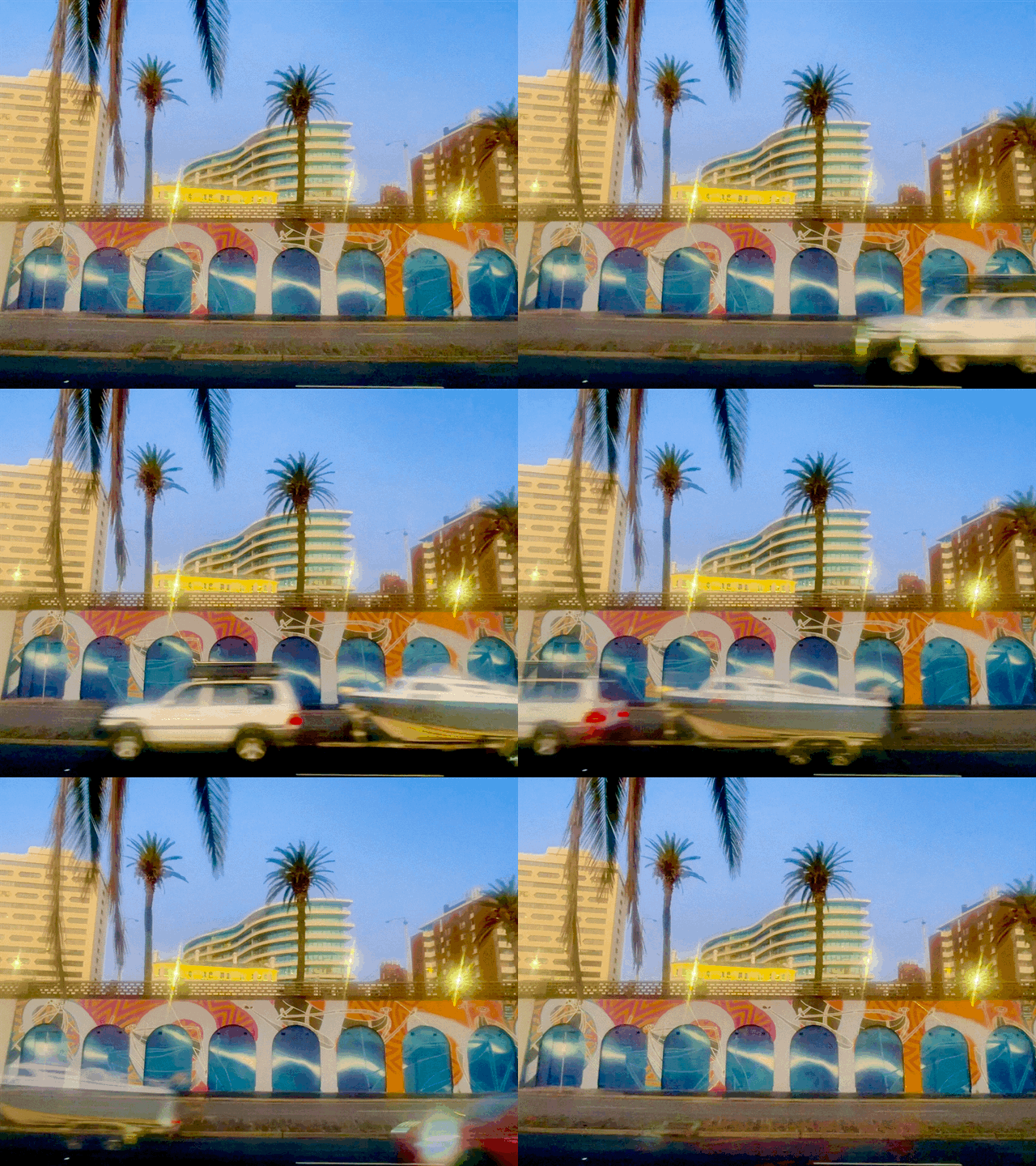
PLACE. LOWER ESPLANADE. FIRST NATIONS MURAL. The Vaults — St Kilda First Nations Artwork
From Port Phillip City Council (March 2024):
“Council is commissioning a large-scale First Nations Artwork located along the St Kilda foreshore on the lower esplanade ‘Vaults’ wall.
“This site faces the St Kilda foreshore and is a location which has significant links for Traditional Owners and presents an opportunity to work with them on local reconciliation.
“Council is seeking a First Nations Artist/s for an artwork which will be painted directly onto the wall space allocated which incorporates First Nations themes and concepts, working with the surrounding area and respecting Traditional Owners.
“The artwork will serve as an opportunity to integrate storytelling in a creative way.”
Artist: Tommy Day III | Poulina Romano 2024


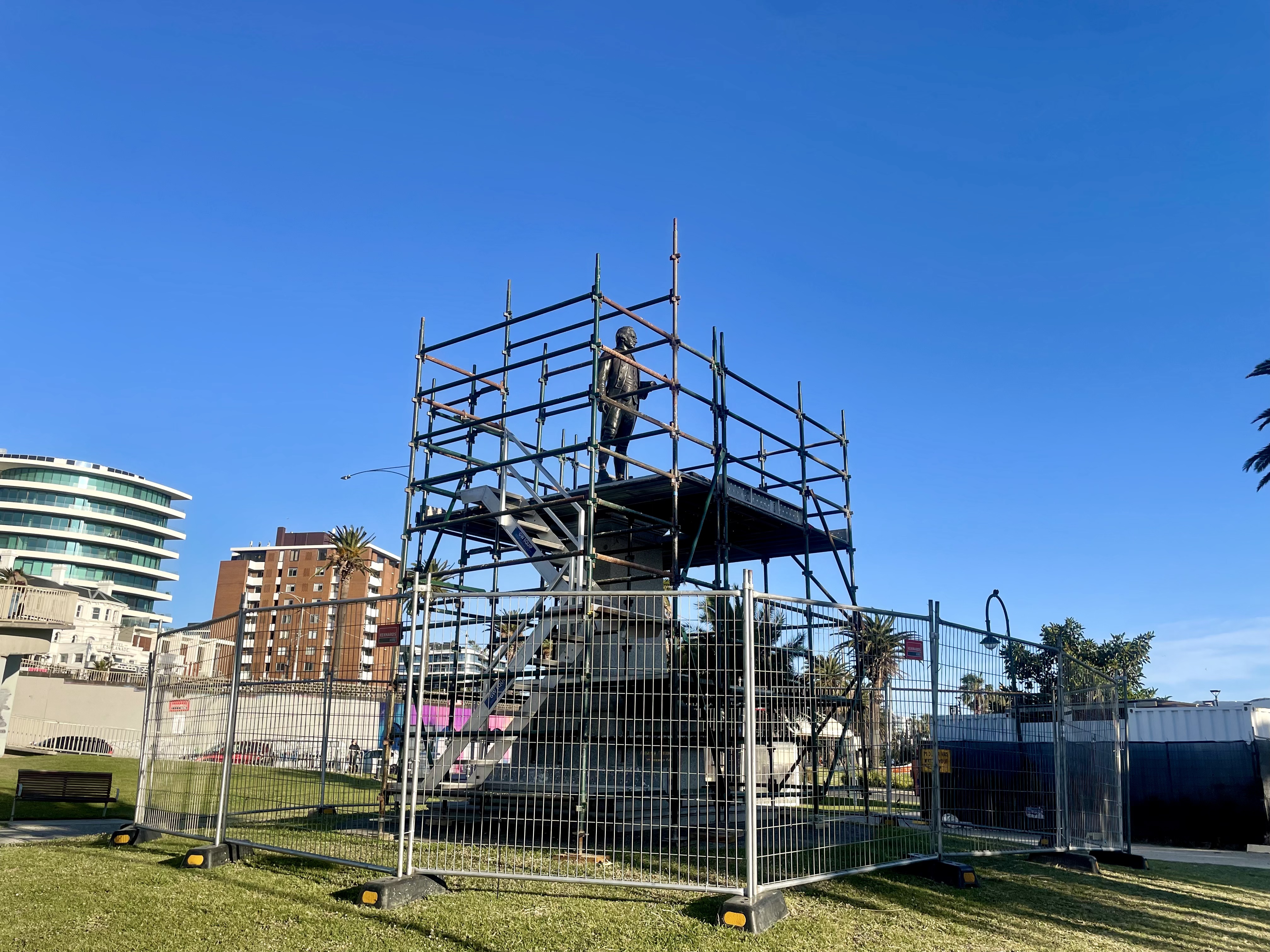
PLACE. CATANI GARDENS. MEMORIAL SCULPTURE. Captain Cook statue at Catani Gardens, St Kilda foreshore
“A statue of James Cook, is located next to the Royal Melbourne Yacht Squadron in Catani Gardens, St Kilda, Victoria, Australia. It was erected in 1914. It was removed from its plinth in an act of vandalism in 2024, on the eve of Australia Day.
“It was erected in 1914 by the St. Kilda Council to honour Cook who in 1770, led a voyage with the first Europeans to the east coast of Australia.
“Since 2018, the statue has been physically targeted on dates near Australia Day in late January. In 2018, the statue was graffitied with the words “no pride” An Aboriginal Australian flag was placed next to the statue. In 2022, the statue was covered with red paint.
“The statue is a replica of the statue of Cook on the West Cliff area of Whitby, in the English county of North Yorkshire. Cook was a native of Whitby. The statue was sculpted by John Tweed. It is a life-sized sculpture of Cook. It is listed on the National Trust Database of Victoria.
“The entry on the database describes the monument as “a good example of early twentieth century British Edwardian academic memorial sculpture” although less important than the equestrian statue of Edward VII by Edgar Bertram Mackennal at Queen Victoria Gardens [across the National Gallery of Victoria].”—Wikipedia
“A statue of Captain Cook in St Kilda that was toppled by vandals will be resurrected following a fiery council debate.
“A motion to have community consultation on the statue’s future was defeated.”—ABC News
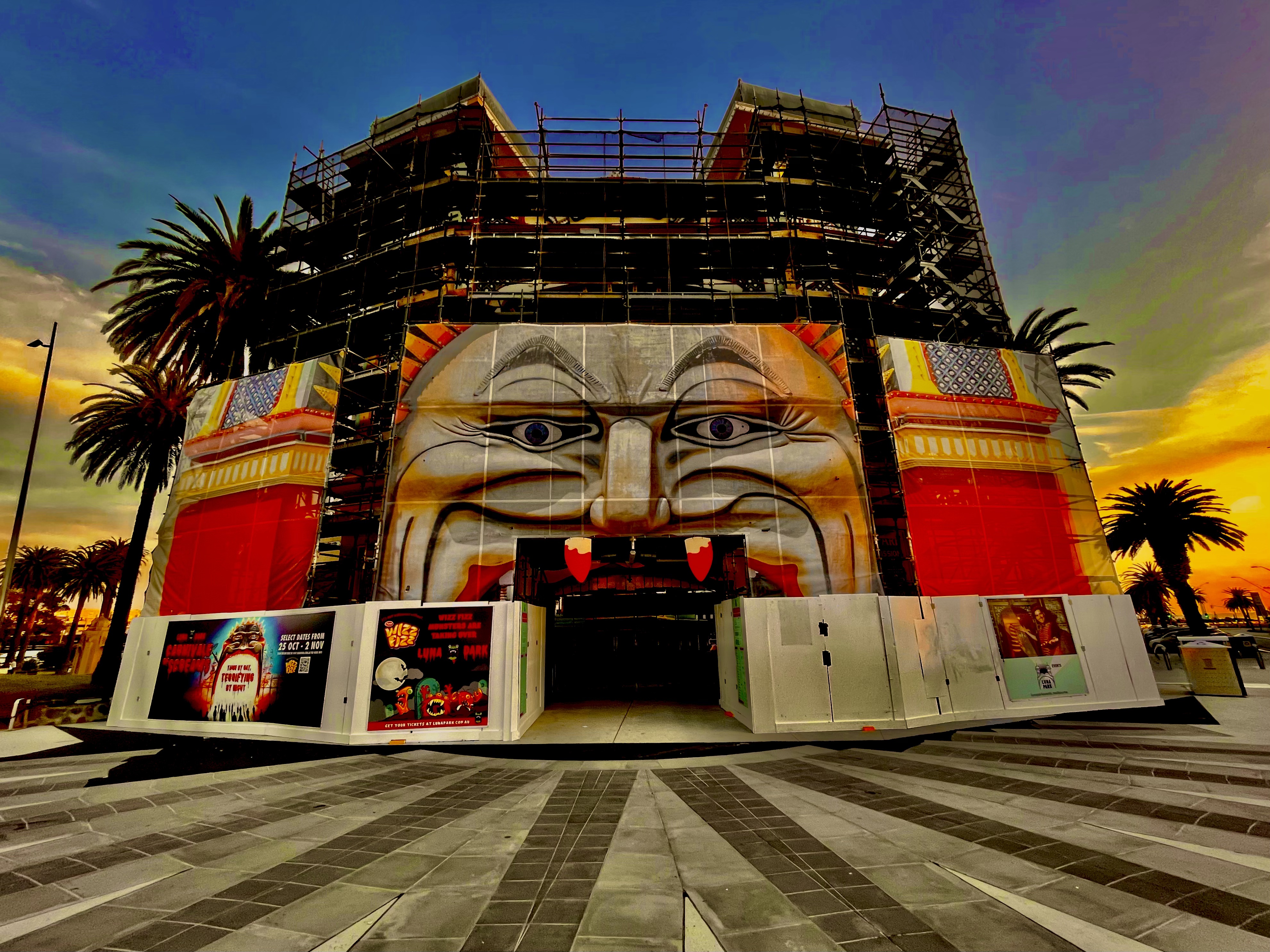
PLACE. AMUSEMENT PARK. Luna Park Melbourne
“On December 13th 1912, Mr Moon [a.k.a. Big Mouth] opened his giant mouth to St Kilda and welcomed thousands of people into Melbourne’s Luna Park for the first time.
“Since that day, St Kilda’s famous Luna Park, the oldest theme park in Australia, has had millions of visitors who have enjoyed some of the most iconic rides in Melbourne. Year after year our guests bring their families back to share memories and a day of fun at the most memorable amusement park in Melbourne.”—Luna Park Melbourne
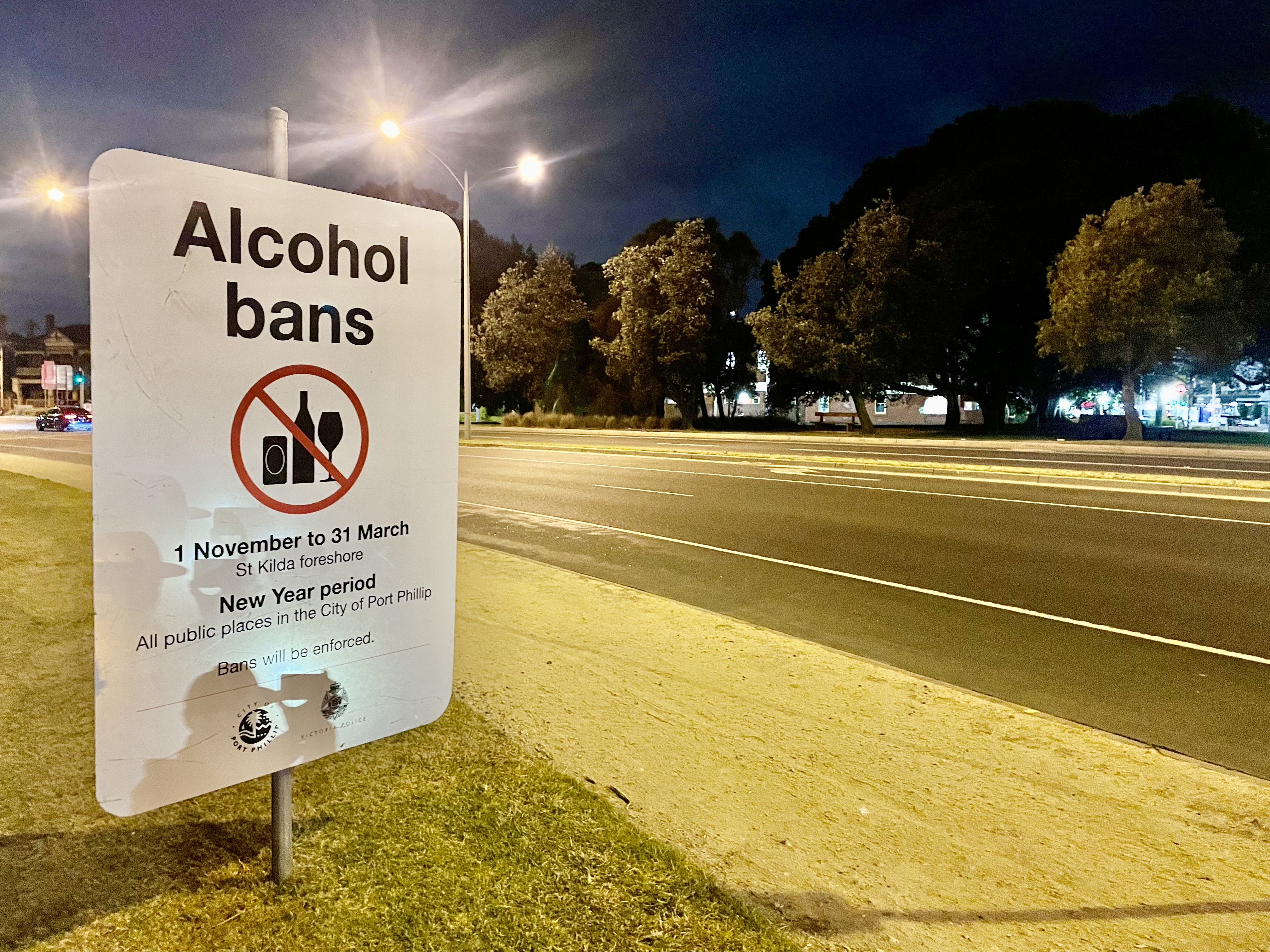
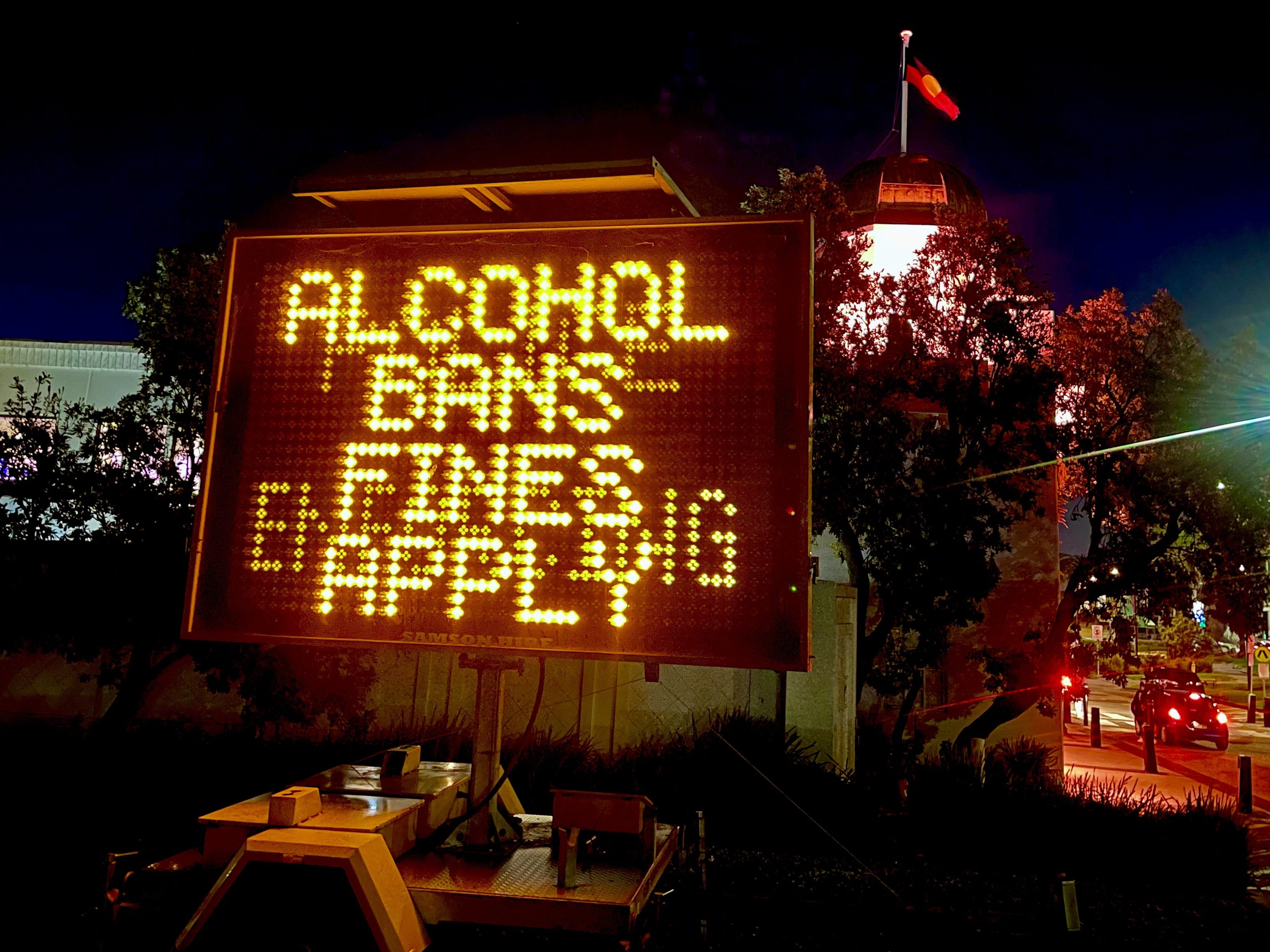
How effective are street drinking bans in preventing public order offences and anti-social behaviour?
“Examples of anti-social behaviour: noise, noise nuisance, vandalism, harassment, bullying, aggression, intimidation, crime, verbal abuse, violence, fighting, littering, dumping rubbish, reckless driving, household disputes…”—Gen.AI+
Key issues in antisocial behaviour | Australian Institute of Criminology
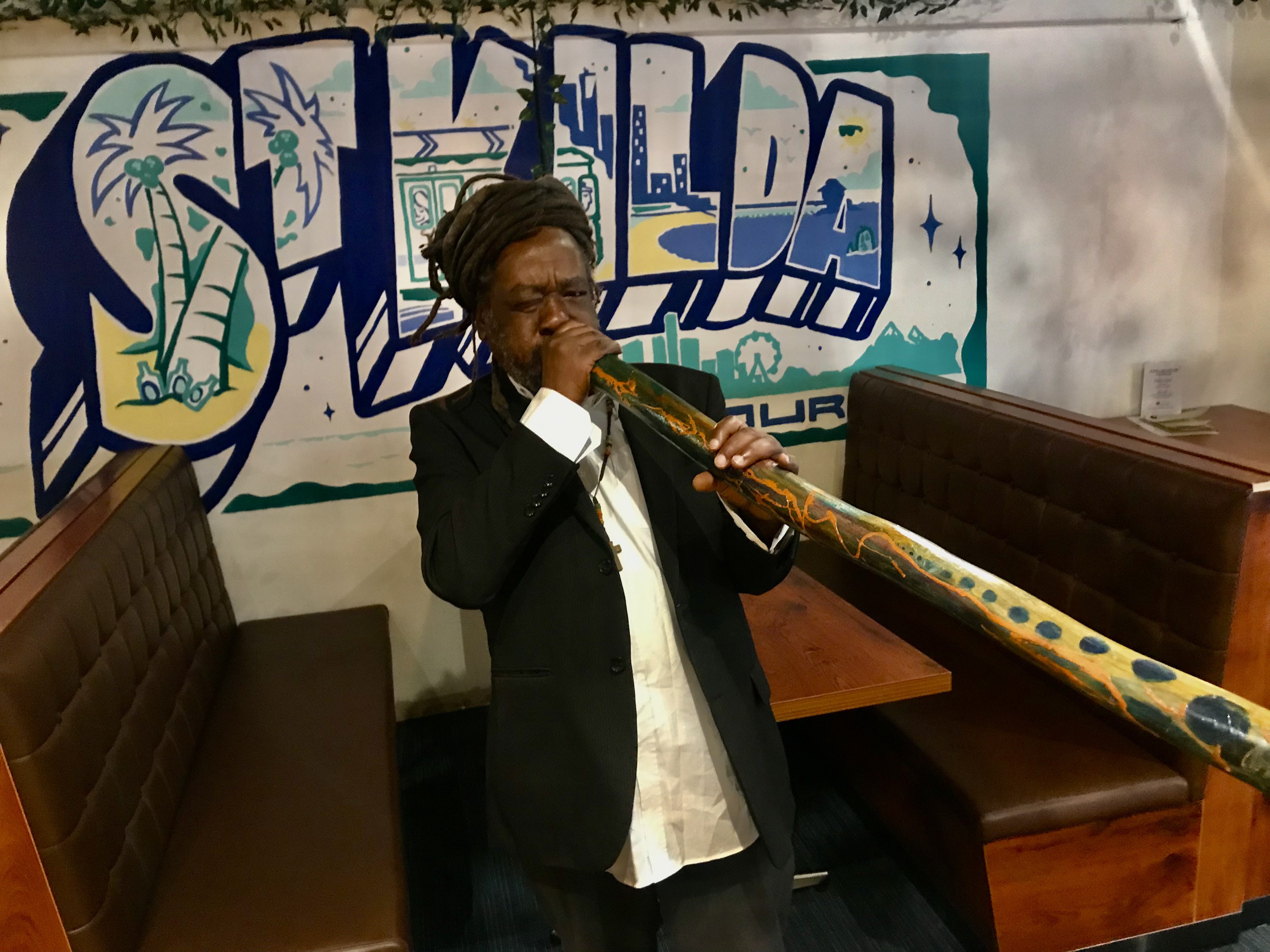


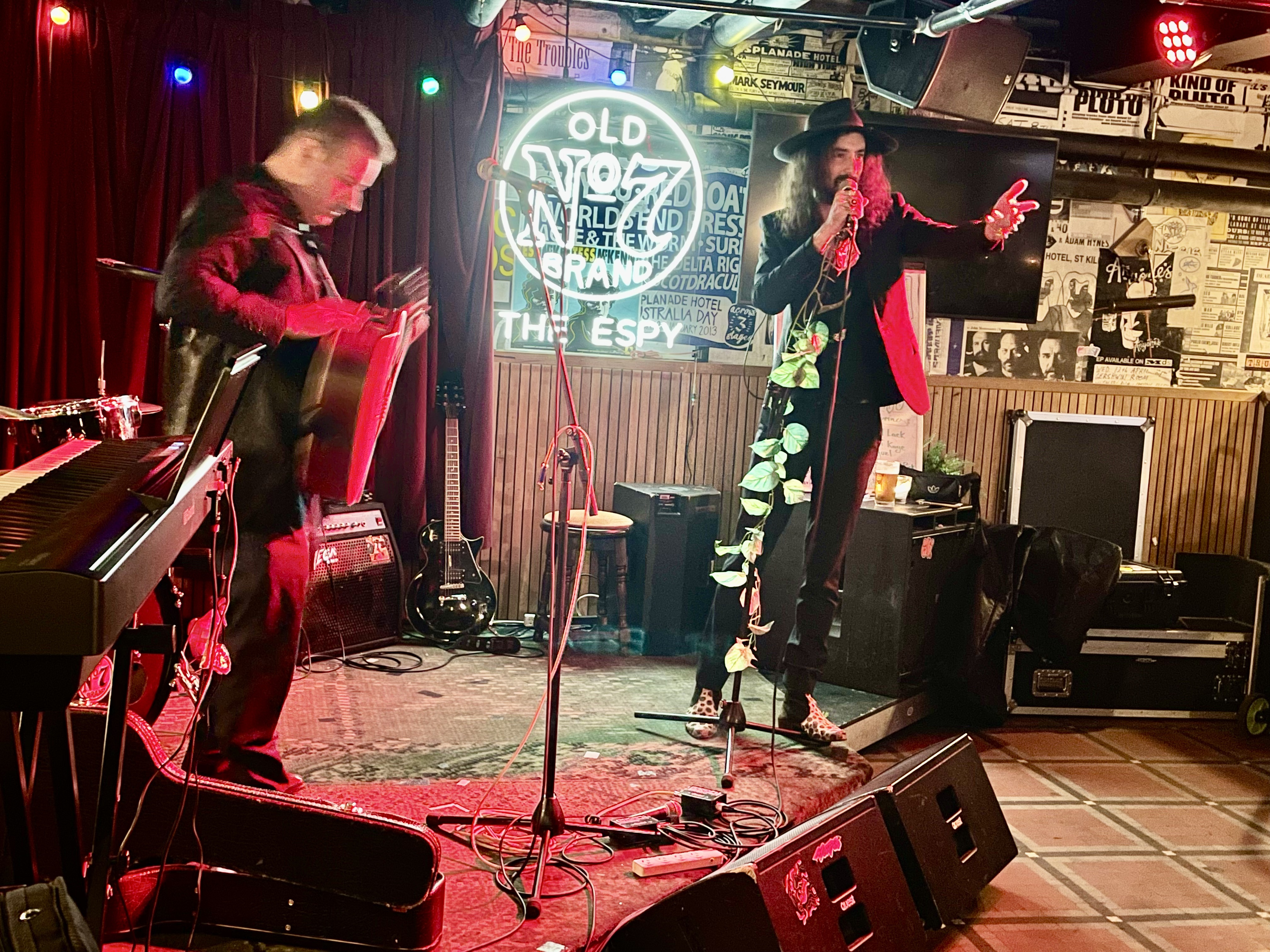
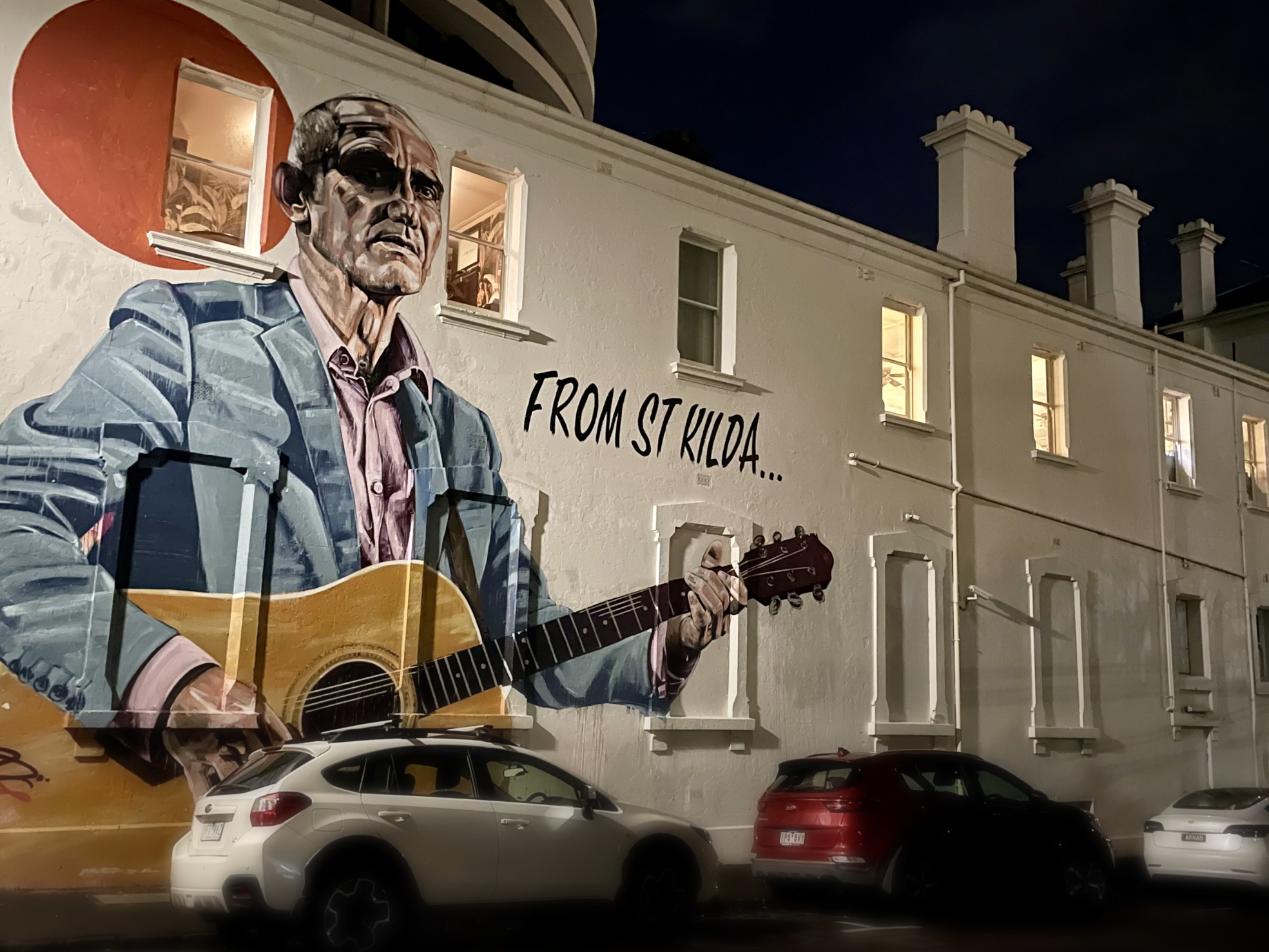
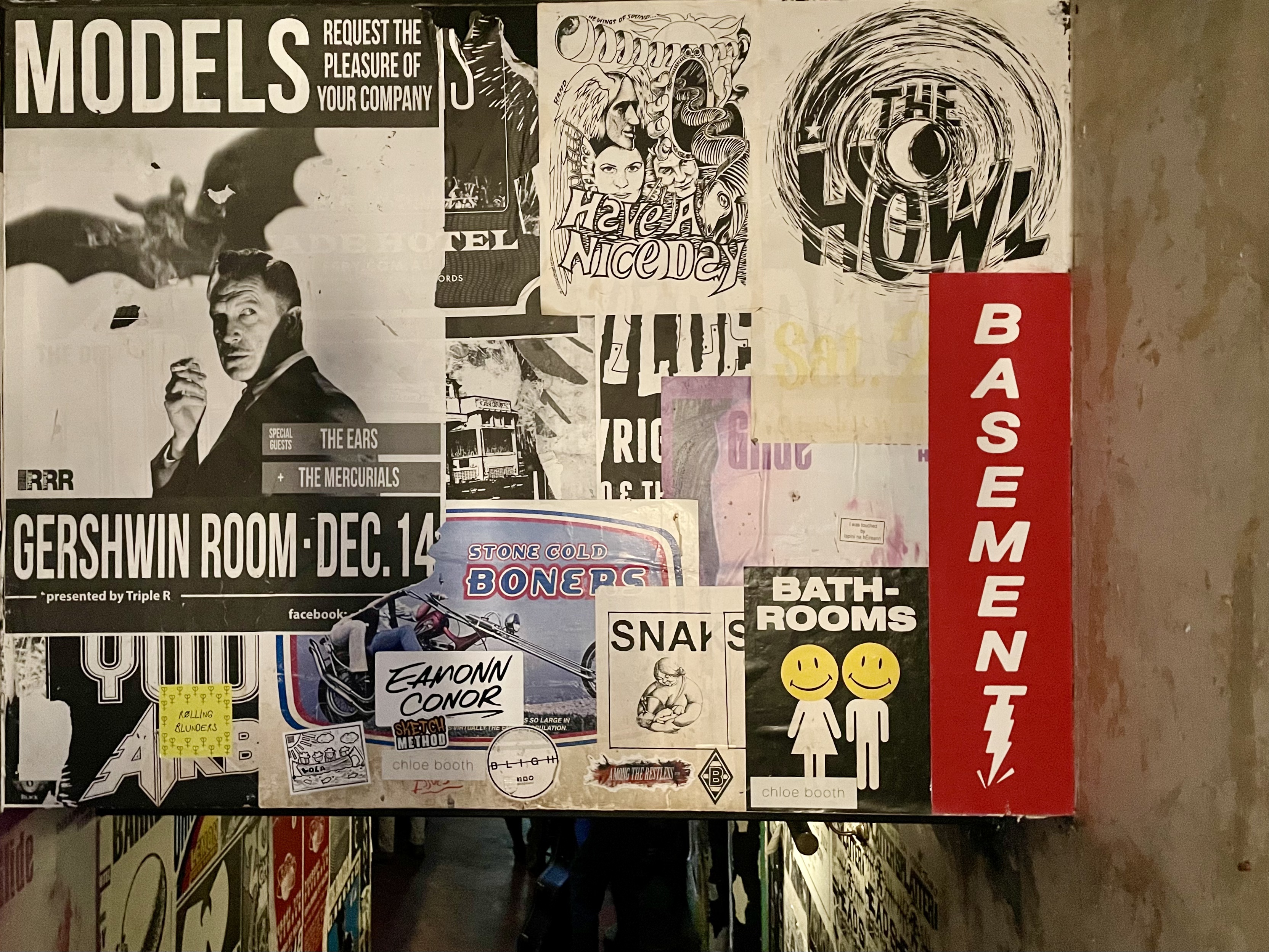
PLACE. LIVE MUSIC. The Esplanade Hotel. Open Mic Tuesdays at The Basement hosted by Stacey Pommer
“Open Mic nights are alive at The Espy. Whether you’re new to playing to a live audience or building up your confidence to hit the big time – all are welcome Tuesdays from 7.30pm.”—Espy Live Online
“The walls are adorned with action shots of past gigs, and the iconic music cartoons from local illustrator and musician Fred Negro. There’s a chalk board up featuring dozens of names from a new breed of musicians frothing to play the weekly Open Mic night, which is hosted by local identity Stacey Pommer, son of legendary local drummer Billy Pommer Jr, who played with one of Neil Young’s favourite bands, the Johnnys.”–Patrick Donovan

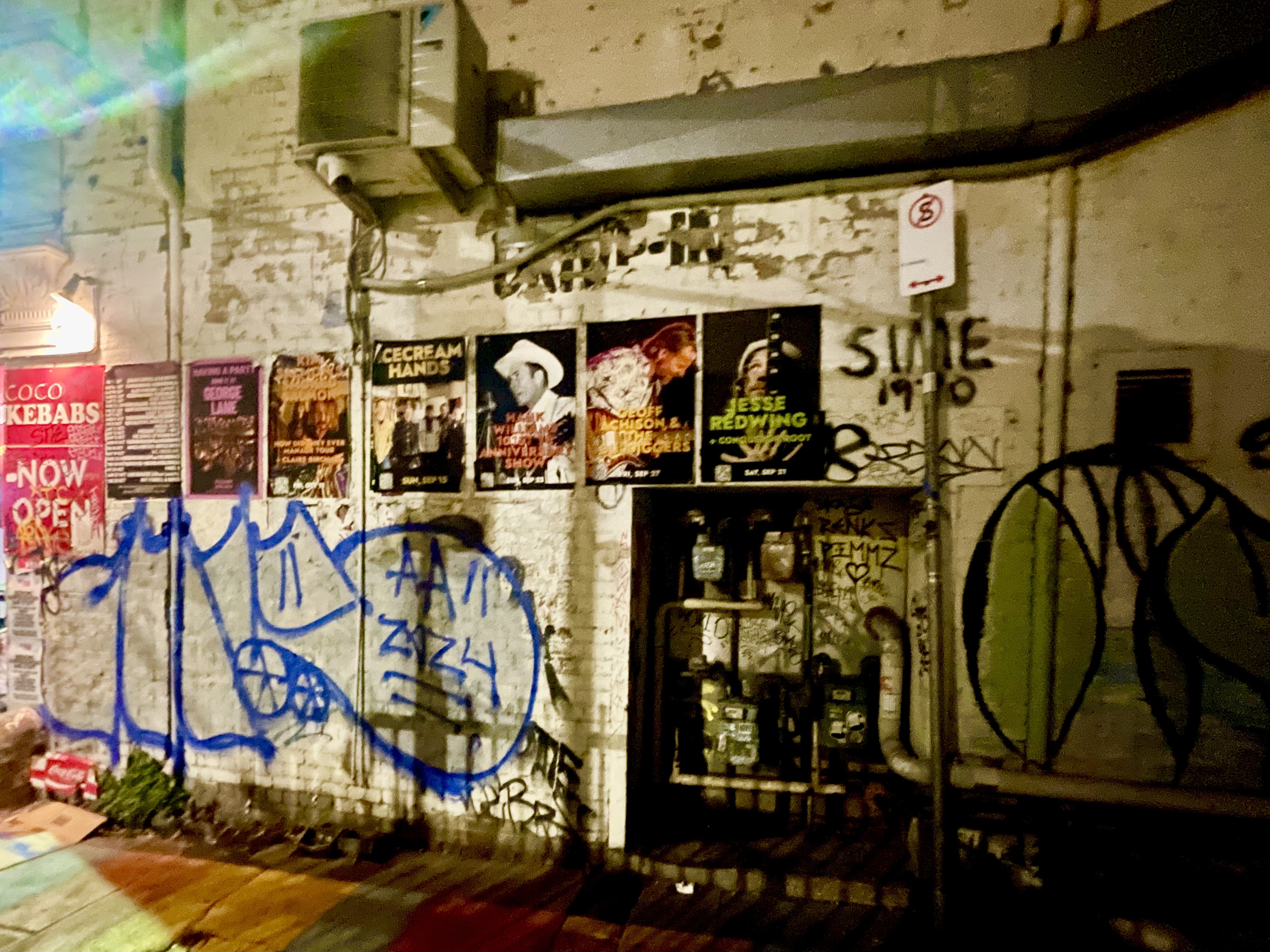
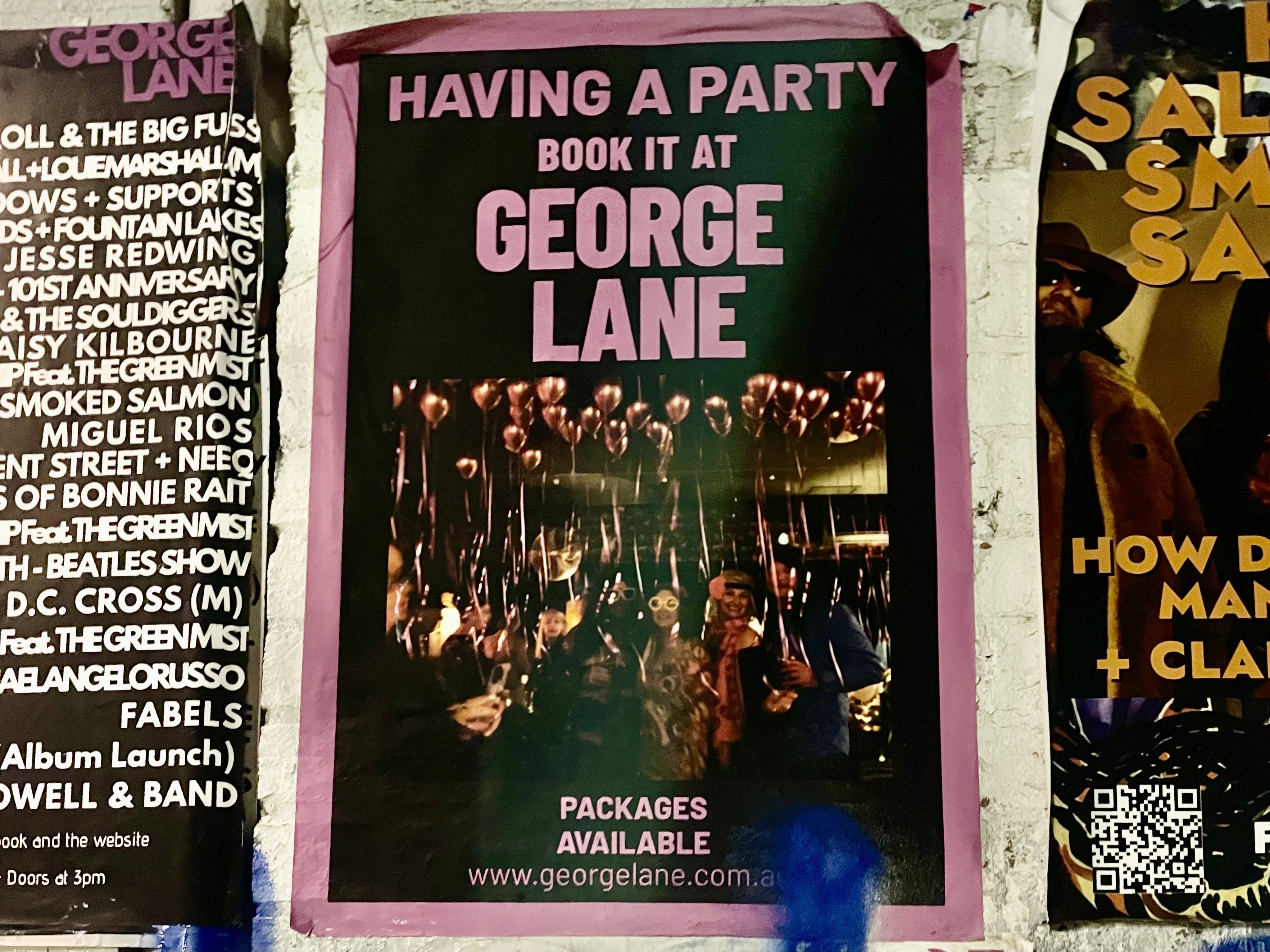
PLACE. LIVE MUSIC . George Lane, off Grey Street, via the laneway at the back of the George Hotel
“Today George Lane resides below the former Crystal Ballroom which was a music venue located within the George Hotel. It has often been referred to as the centerpiece of Melbourne’s post-punk movement, showcasing groups such as The Birthday Party, Dead Can Dance, Hunters and Collectors, Models, Crime and the City Solution and The Moodists, as well as visiting Sydney bands INXS, The Laughing Clowns and Midnight Oil, and Brisbane’s The Go-Betweens and The Saints.”—George Lane Online

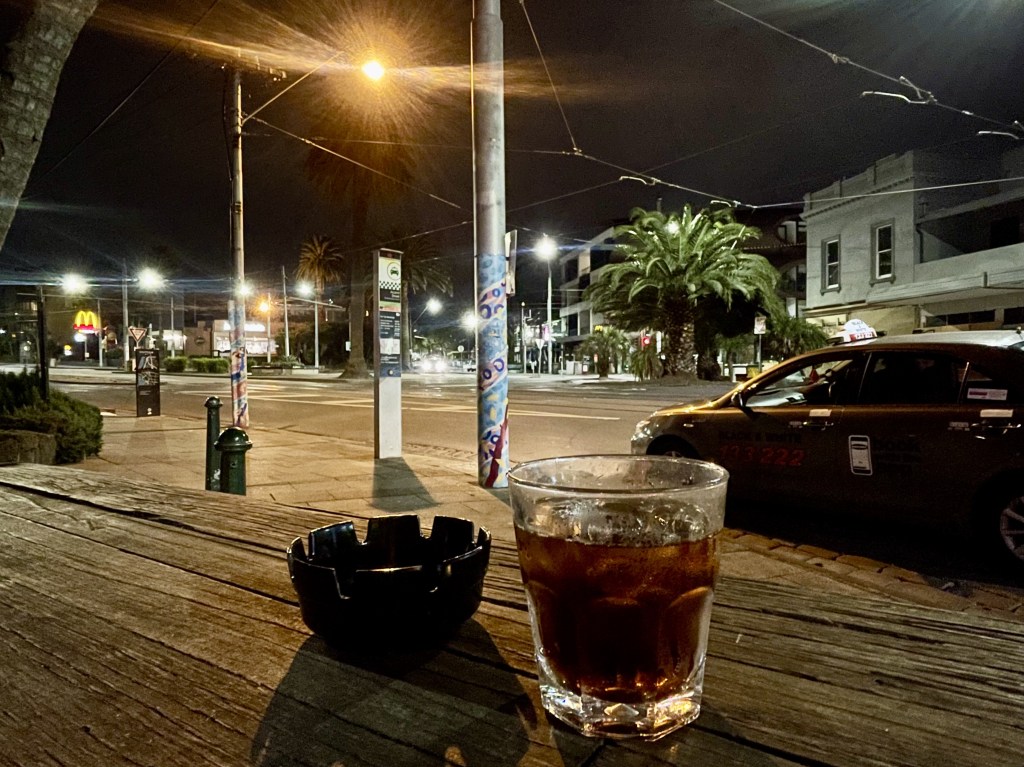

“A St Kilda institution.”
“The Iodice brothers Johnny, Alex, Adrian opened The Vineyard Restaurant in 1999 quickly establishing a reputation as a place to be in St Kilda for locals and tourists alike. 22 [25!] years later The Vineyard is still holding on and serving the St Kilda crowds, with Johnny and Alex sailing this little boat shed 7 days and nights a week.”—The Vineyard Online
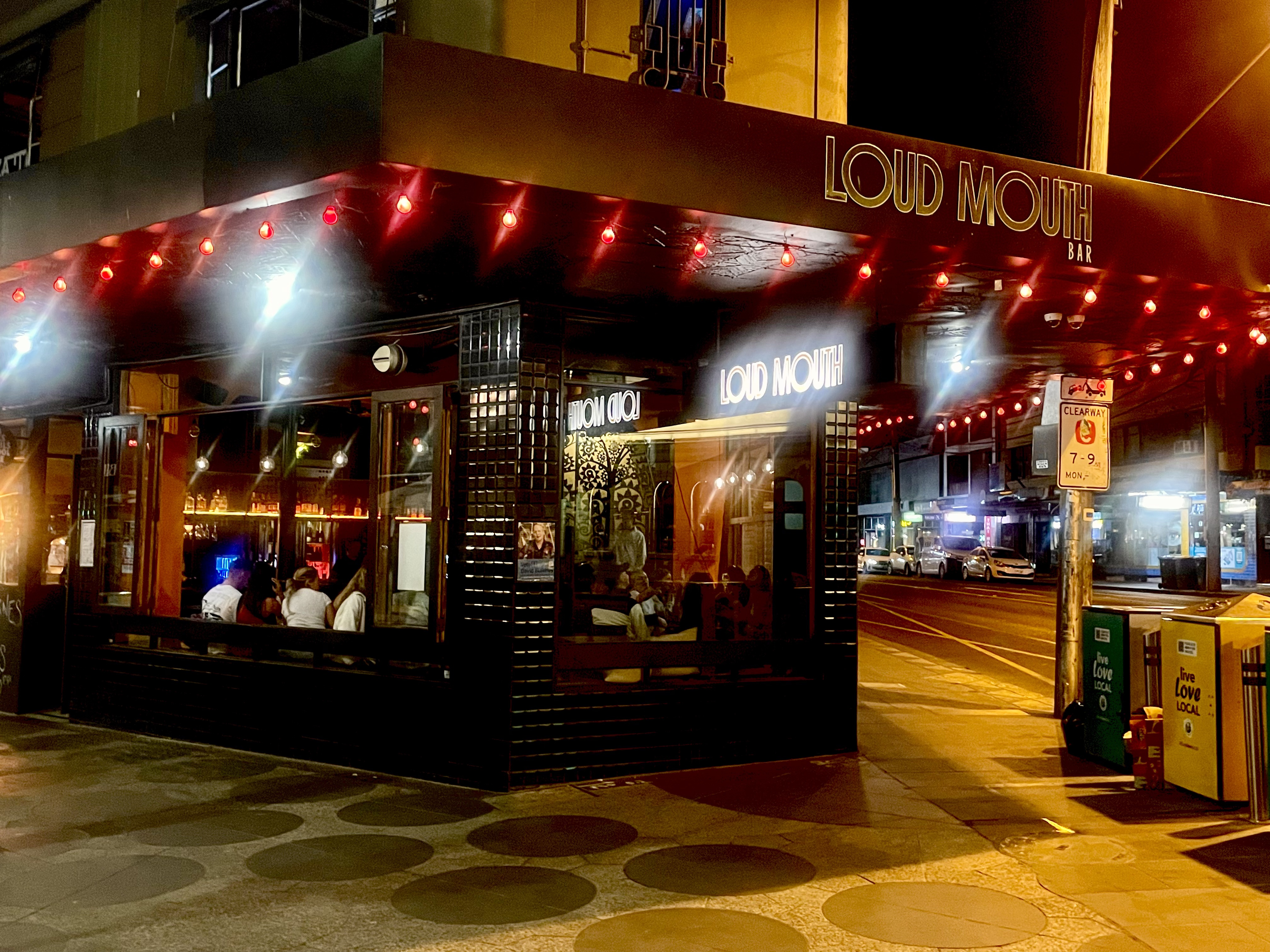

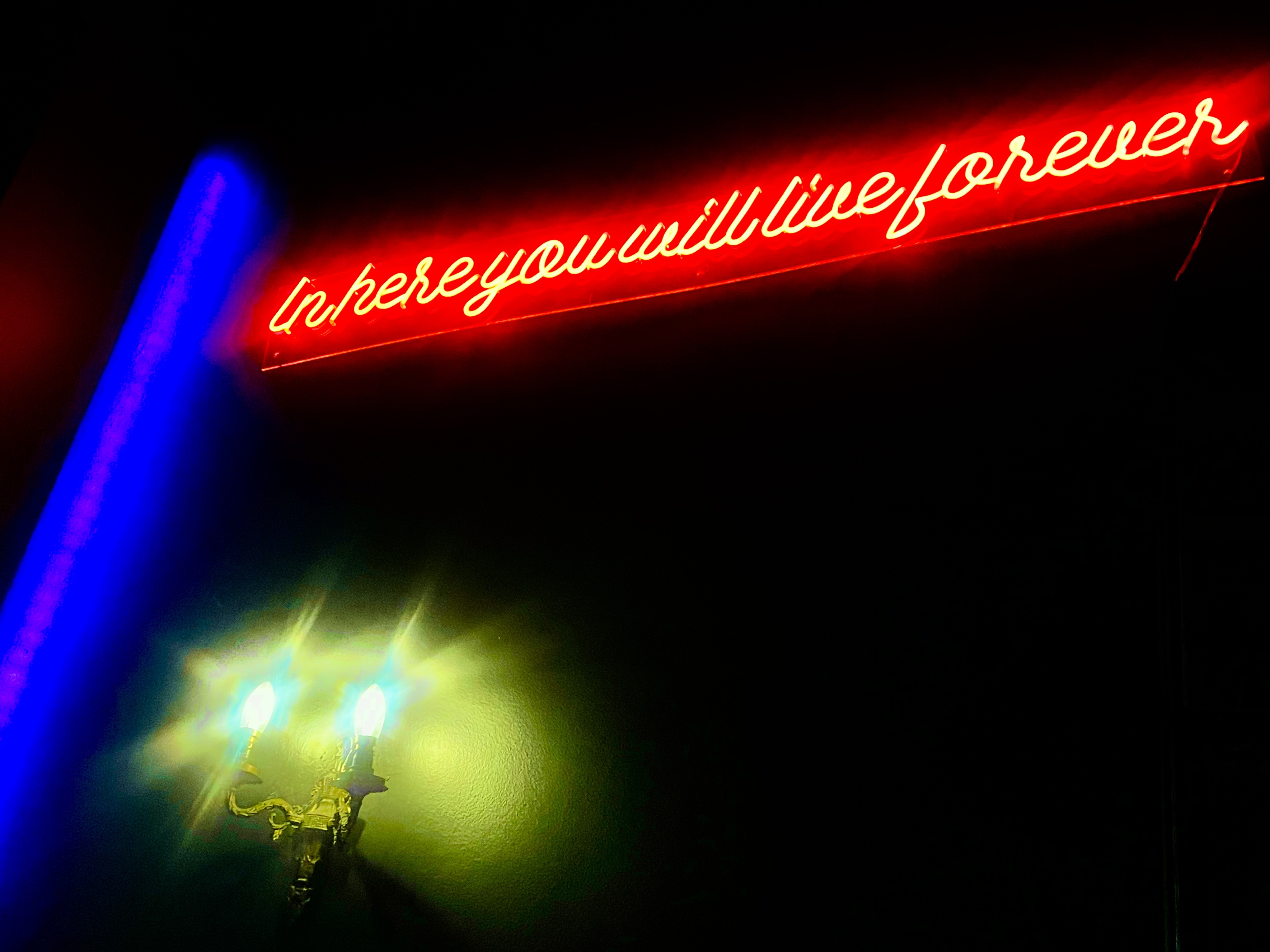
PLACE. LIVE MUSIC. DANCE CLUB. Loud Mouth, Acland St corner Barkly St, Acland Street Village
“St Kilda’s newest “hotspot”, opened its doors in September 2023.
“By day, indulge in the laid-back vibes of our cozy bar, where live music sets the perfect backdrop for relaxation and socializing.
“As the sun sets, experience the transformation into a pulsating nightclub scene, electrified by top DJs spinning the latest beats.”—Loud Mouth
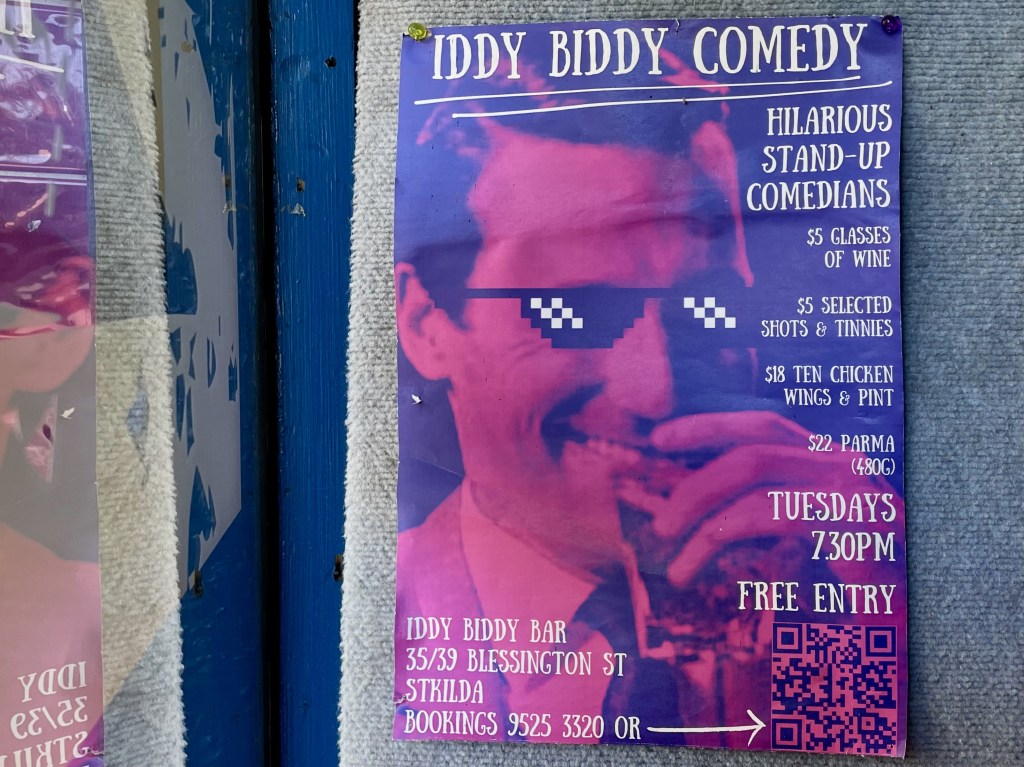
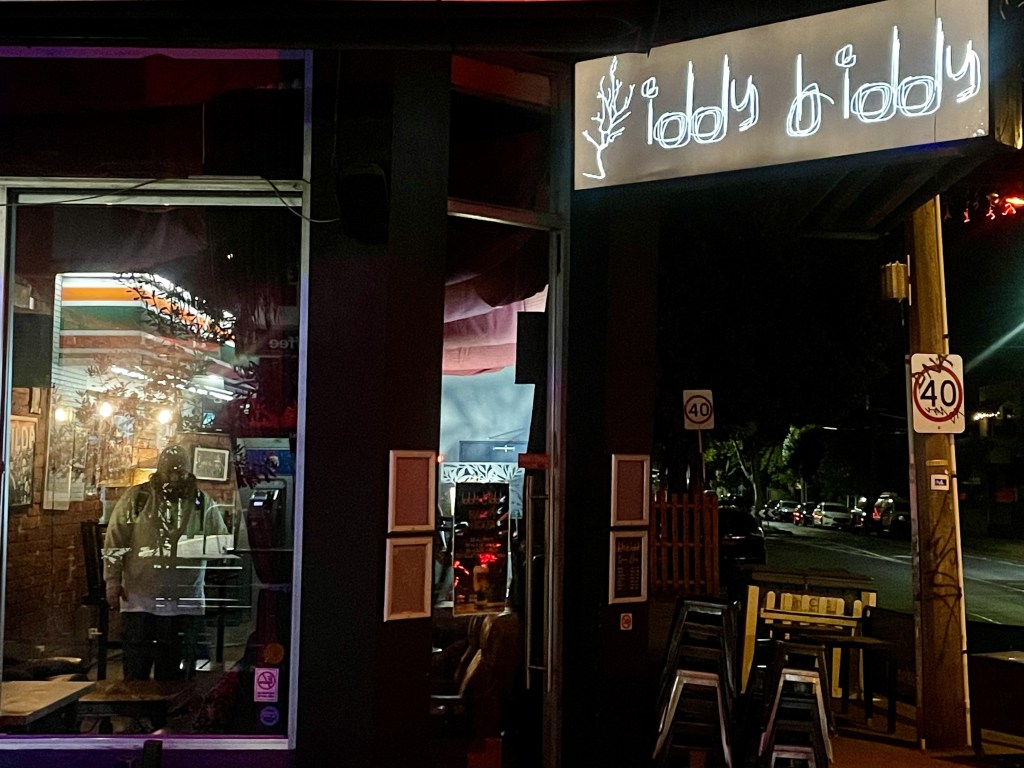
PLACE. COMEDY. LIVE MUSIC. Iddy Biddy Comedy Tuesdays 7.30pm
“Iddy Biddy is a quirky, fun and comfortable bar situated in the heart of St Kilda. Open 7 days a week for breakfast, lunch, dinner, and anything in between, Iddy Biddy boasts an affordable and extensive food and drinks menu with comfortable indoor and outdoor dining areas.
“As well as fantastic dining, Iddy Biddy offers Live Music acts throughout the week making this venue a perfect place to relax with friends and family.
“Iddy Biddy has been serving quality food and drink to the St Kilda community since 2008. Value for money, consistant quality, fantastic taste and generous portions are what Iddy Biddy is widely known for.”—Iddy Biddy Online
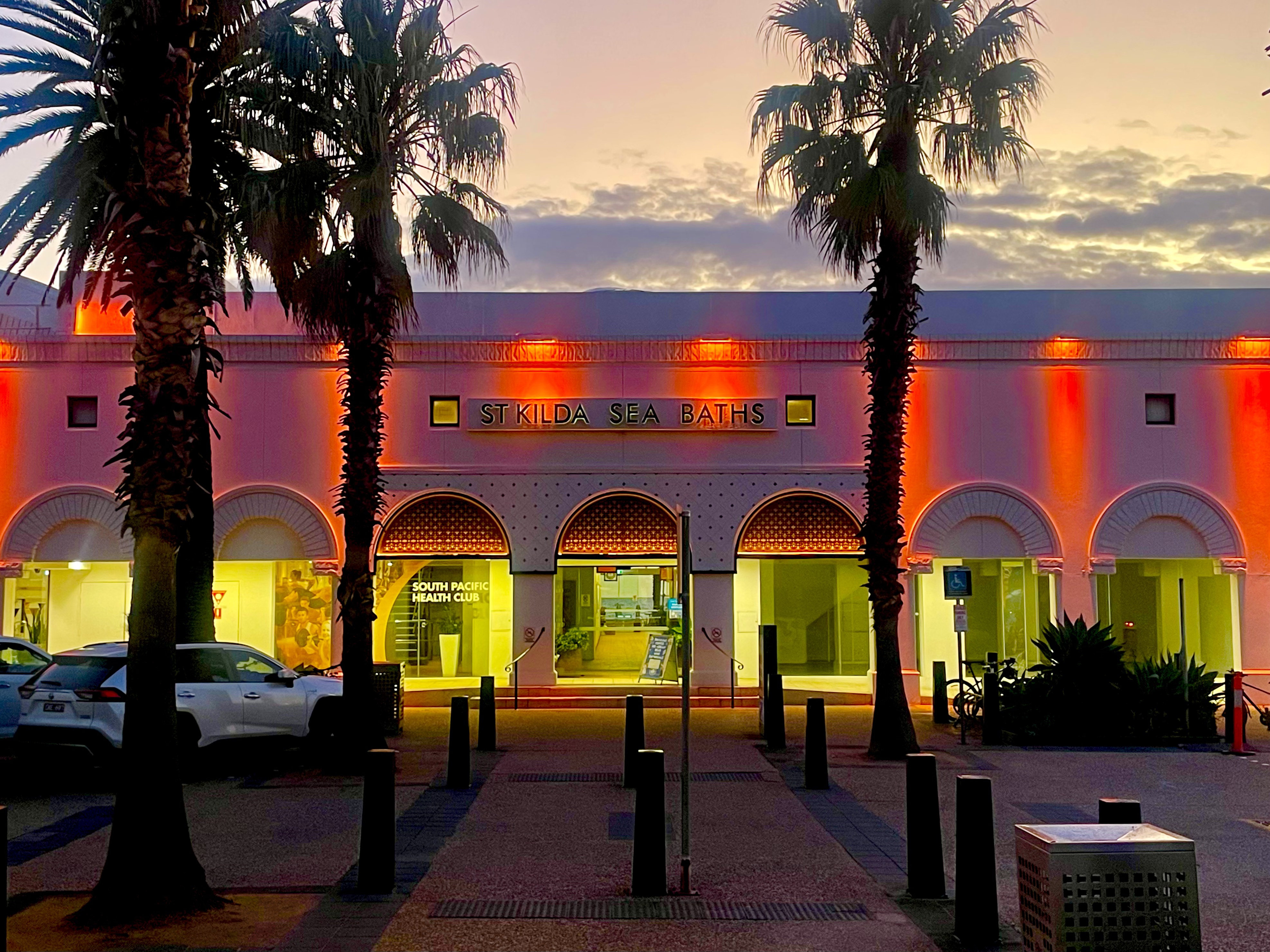
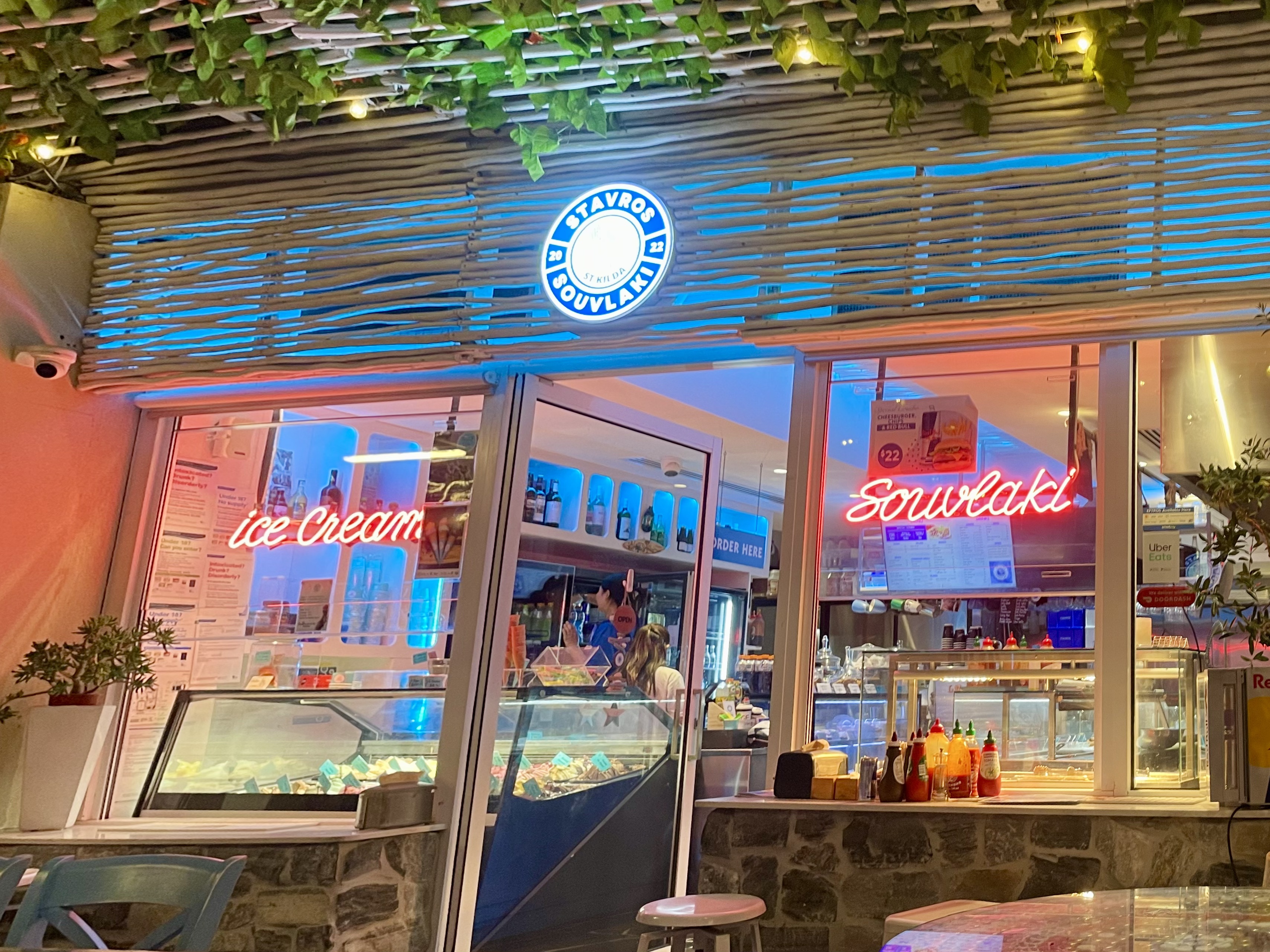
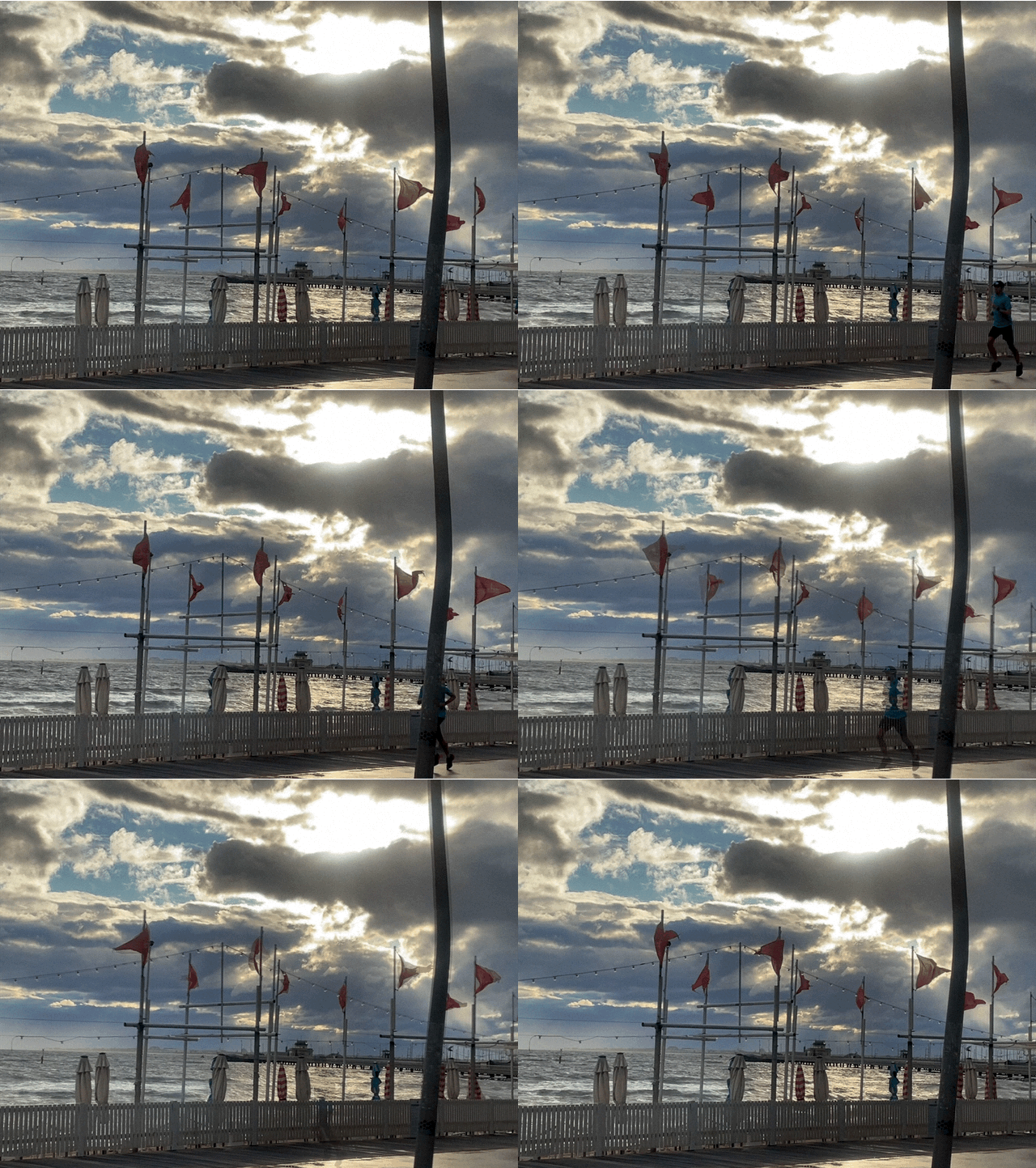
“With top St Kilda restaurants, bars, gymnasium, sea water pool, cafes, bike, kite and stand up paddle boarding, it is in an exceptional position on Melbourne’s most famous beach, St Kilda.”—Sea Baths Online
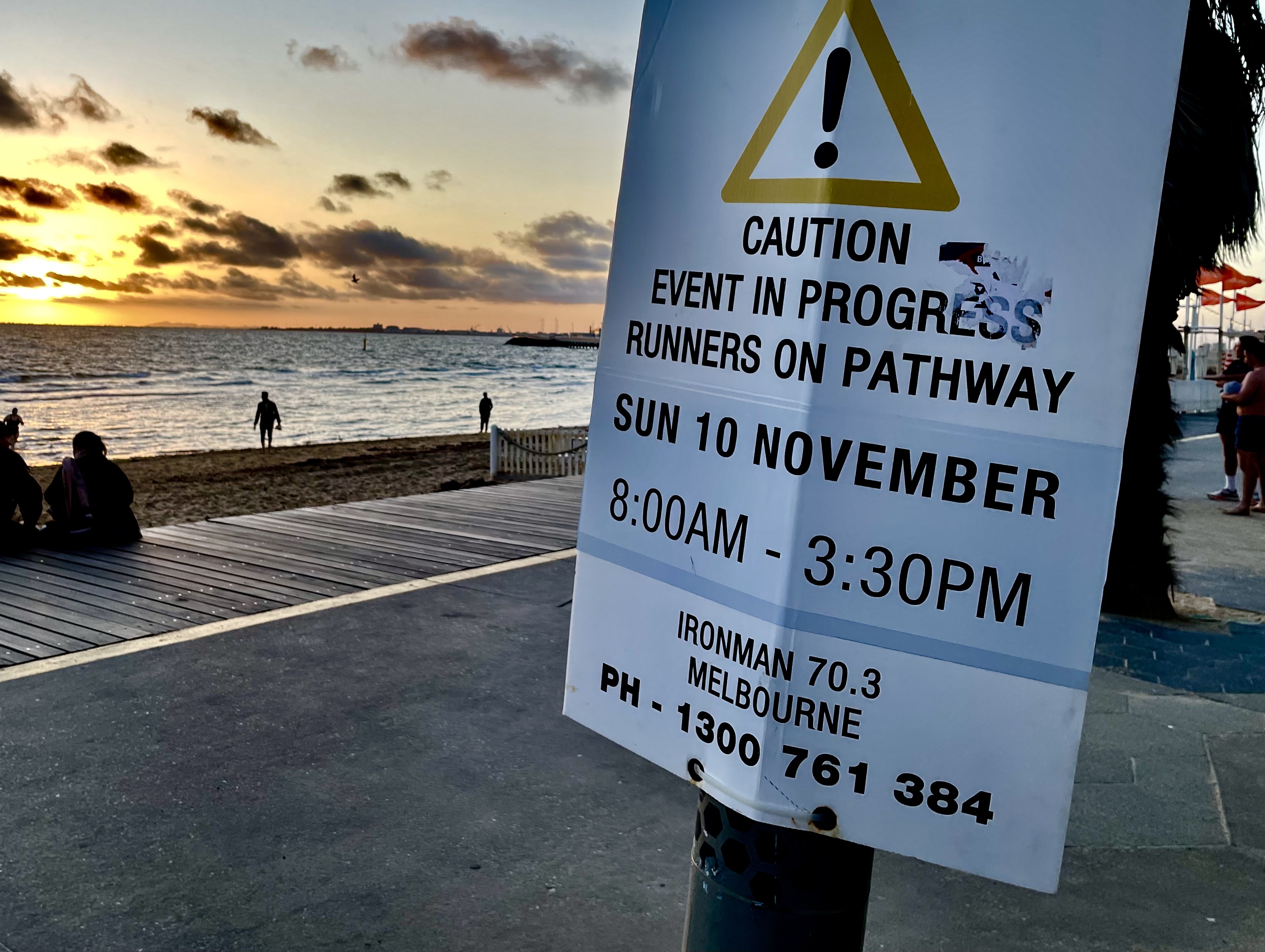
CORPORATE SPONSORED COMMUNITY EVENTS. Major Outdoor Events in Public Spaces
Catani Gardens, St Kilda South Reserve and Moran Reserve, as well as sections of the St Kilda Foreshore and adjoining streets are frequently used not only for music & arts festivals but also for sports & leisure events.
Sign up to receive the latest Major Event notifications | City of Port Phillip
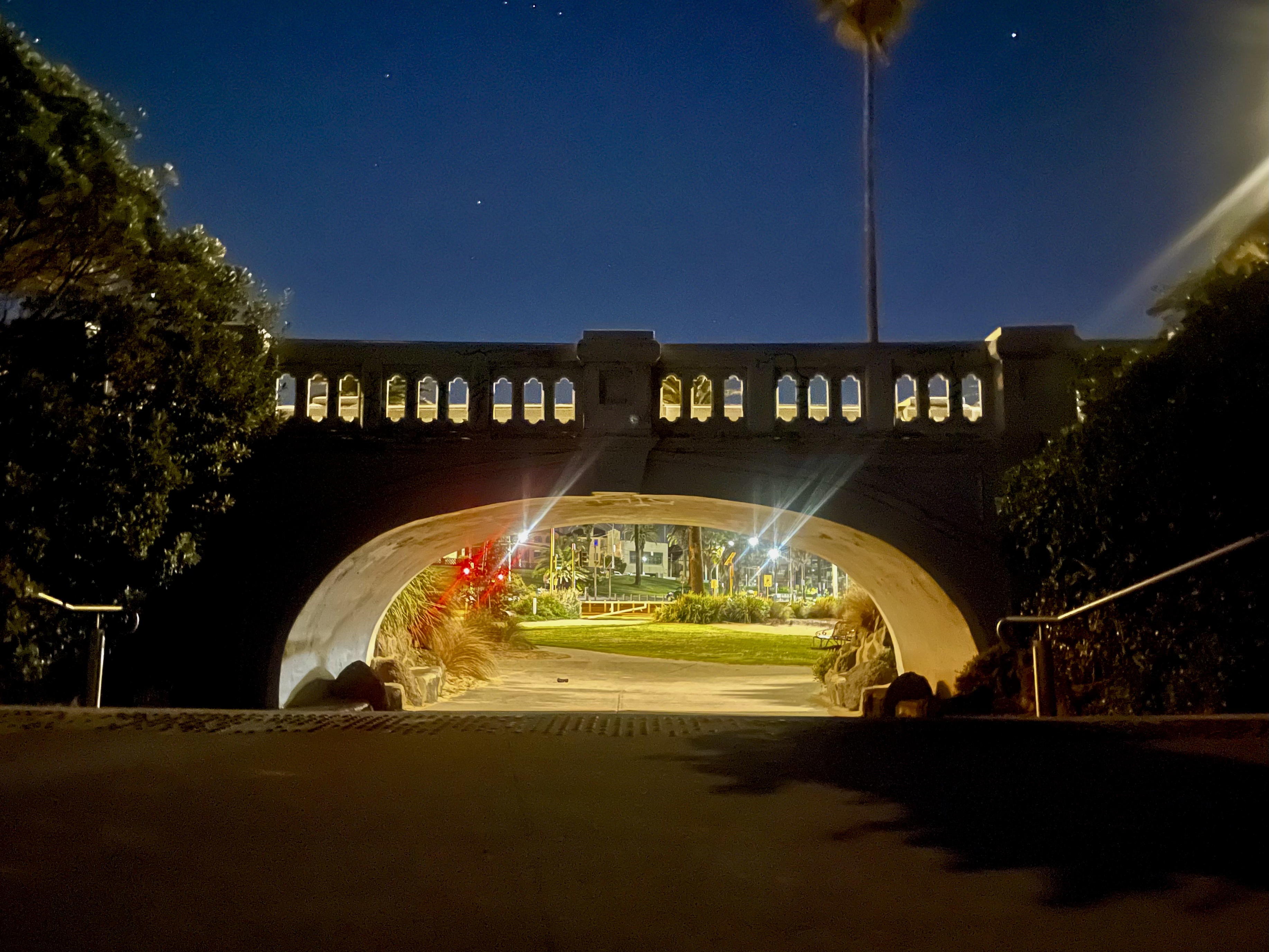
PLACE. FORESHORE. Catani Archway, St Kilda Foreshore
“The Catani Archway was conceived by Carlo Catani, as part of broader St. Kilda Foreshore reclamation and beautification works between 1890 and 1916.
“The engineering firm of Monash & Anderson undertook this project, constructed in the Monier method of reinforced concrete and commenced construction in April of 1916. It was completed around the time of the World War One battle of Pozieres, where Catani’s son, Enrico, and so many soldiers fell. Consequently, it was to sadly draw the appellation Bridge of Sighs for the 23,000 casualties, of whom 6,800 were killed or died of wounds. About this time, it was also proudly dubbed, Bridge of Honour.“—Victorian Collections Online
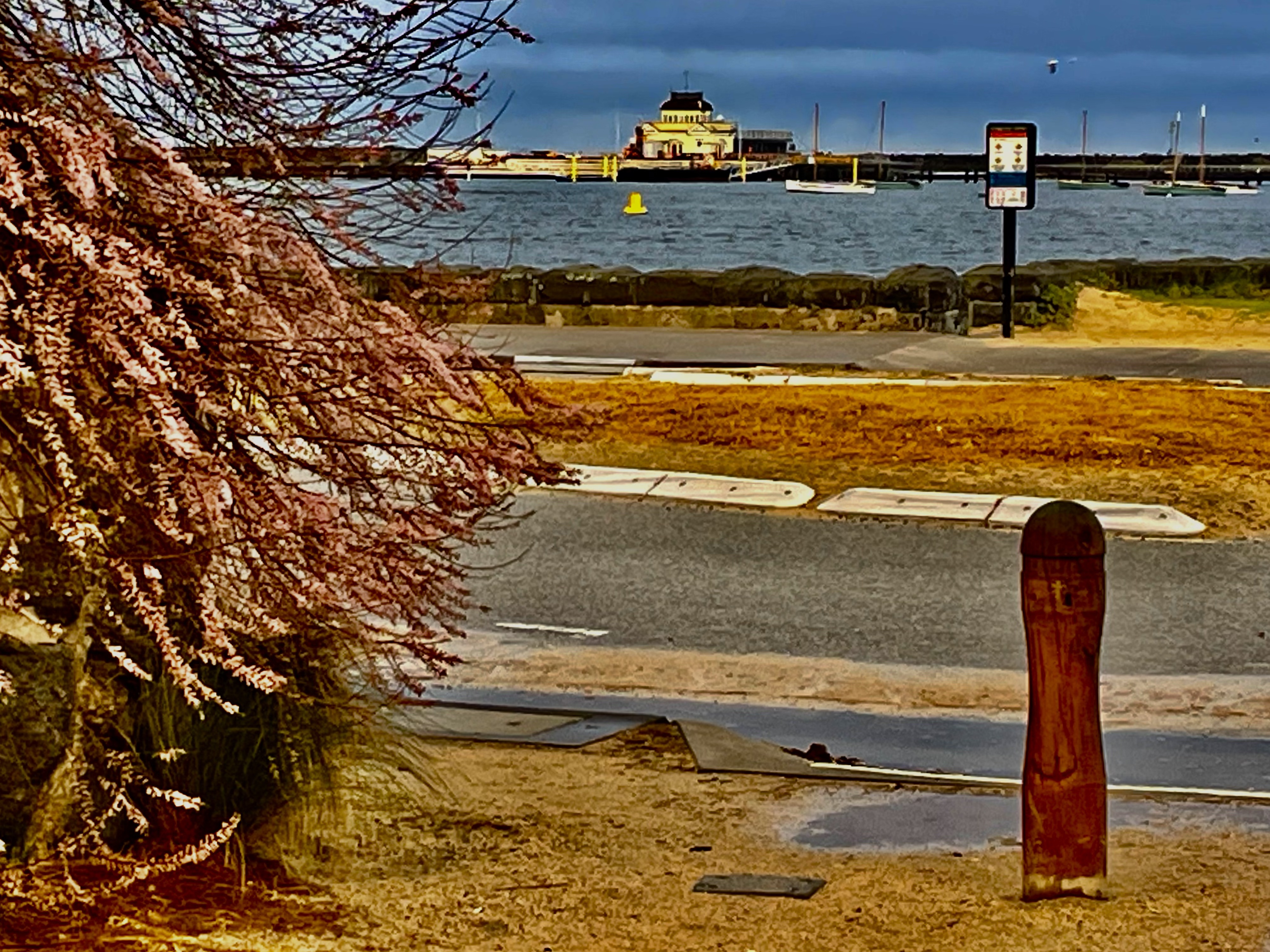
PLACE. FORESHORE. St Kilda Pier and Breakwater
“St Kilda Pier dates back to the mid 1800’s as an early working jetty. The breakwater was later constructed for the 1956 Melbourne Olympics, as a safe harbour for sailing events. You may notice the start tower at the end of the Breakwater, still in use to this day.
“The St Kilda Ferry departs from St Kilda Pier at the lower-landing near the start of the pier. The popular ferry travels between St Kilda Pier, Gem Pier in Williamstown, and Station Pier in Port Melbourne. Bookings are recommended. The ferry timetable can be found at www.stkildaferry.com.au“—Parks Victoria Online
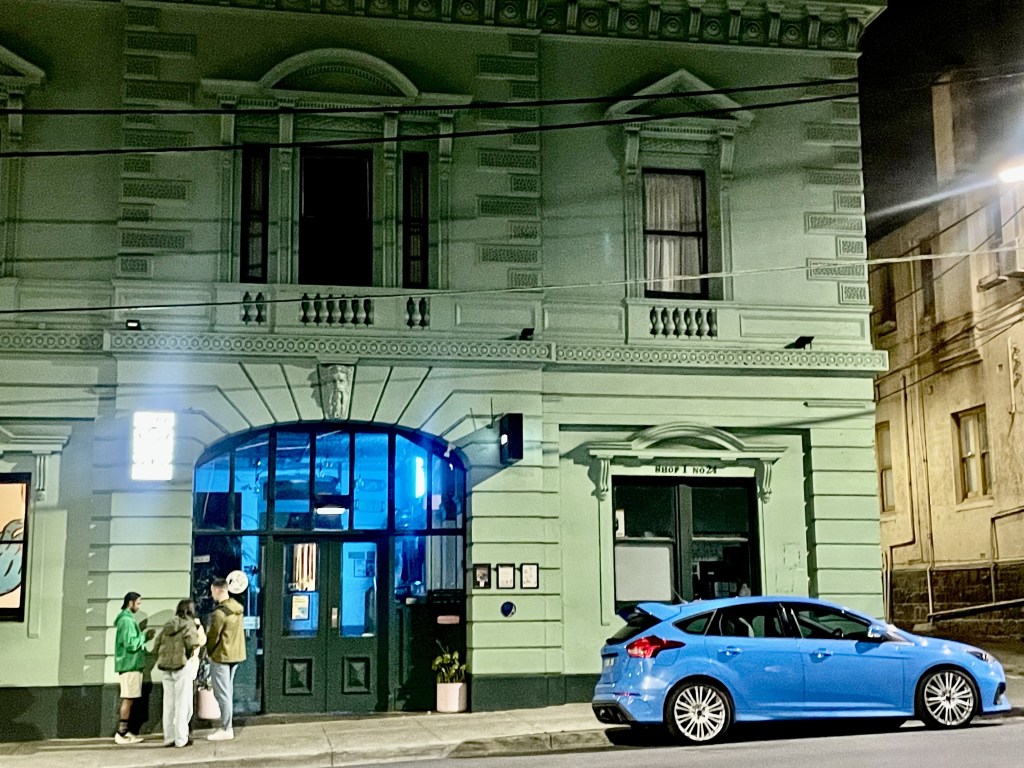
PLACE. ACCOMMODATIONS. St Kilda Coffee Palace on Grey Street
“It’s one of the first ‘temperance hotels’, created in 1883 by extensively rebuilding something that had been built as an ‘assembly room’ in 1871, then became a roller skating rink in 1874. The rebuild was designed by #HendersonandSmart (who later joined with Joseph Reed). It had 37 rooms and a dining room ‘in Corinthian style’ (parts still visible), a billiard room and a ladies salon. The top floor was added in 1888, hence the ‘broken pediment’ at first floor level. Apparently it also closed in 1888, so clearly couldn’t compete with the George Hotel virtually next door and much more prominent.”—Storey Of Melbourne Online
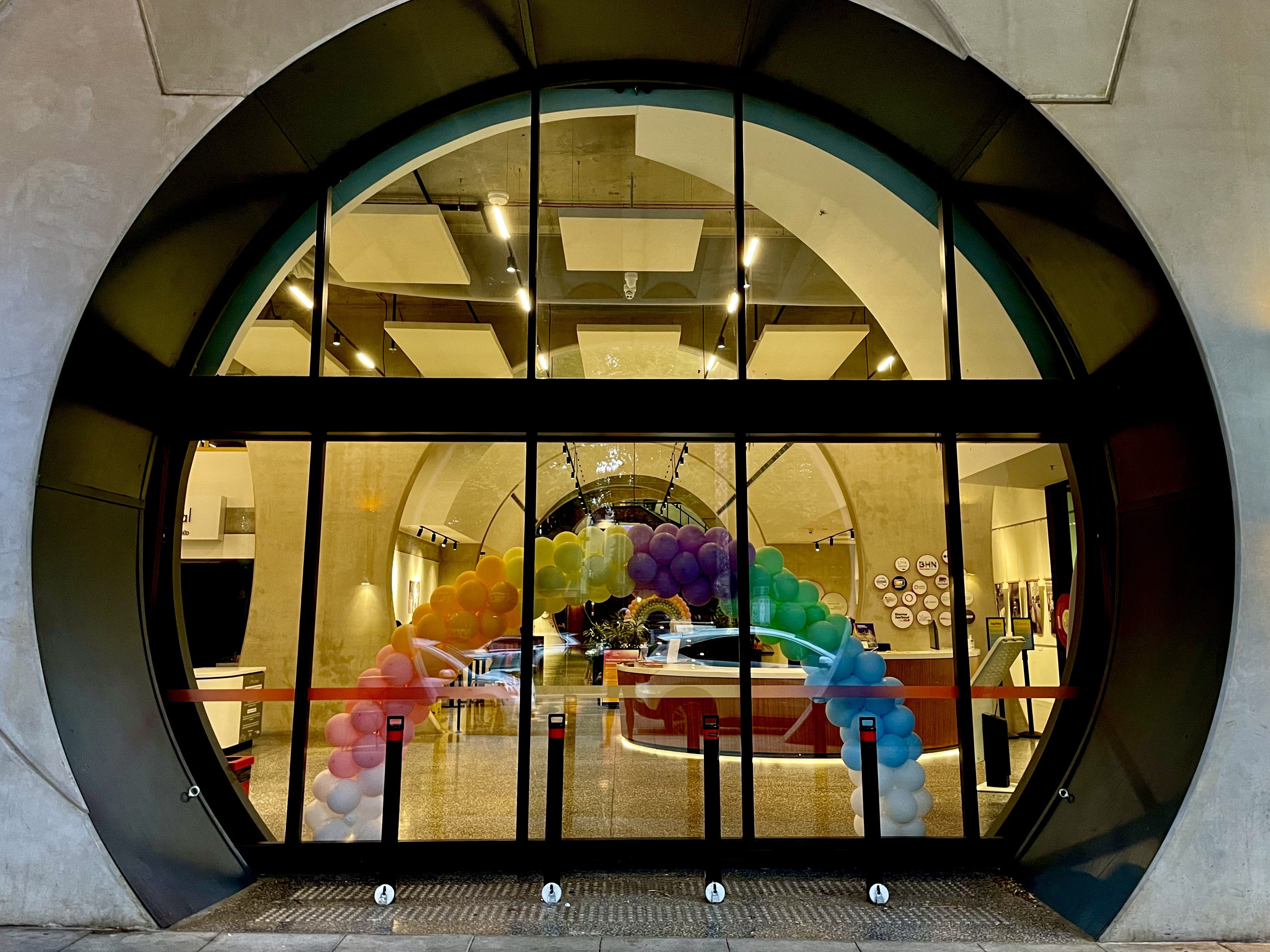
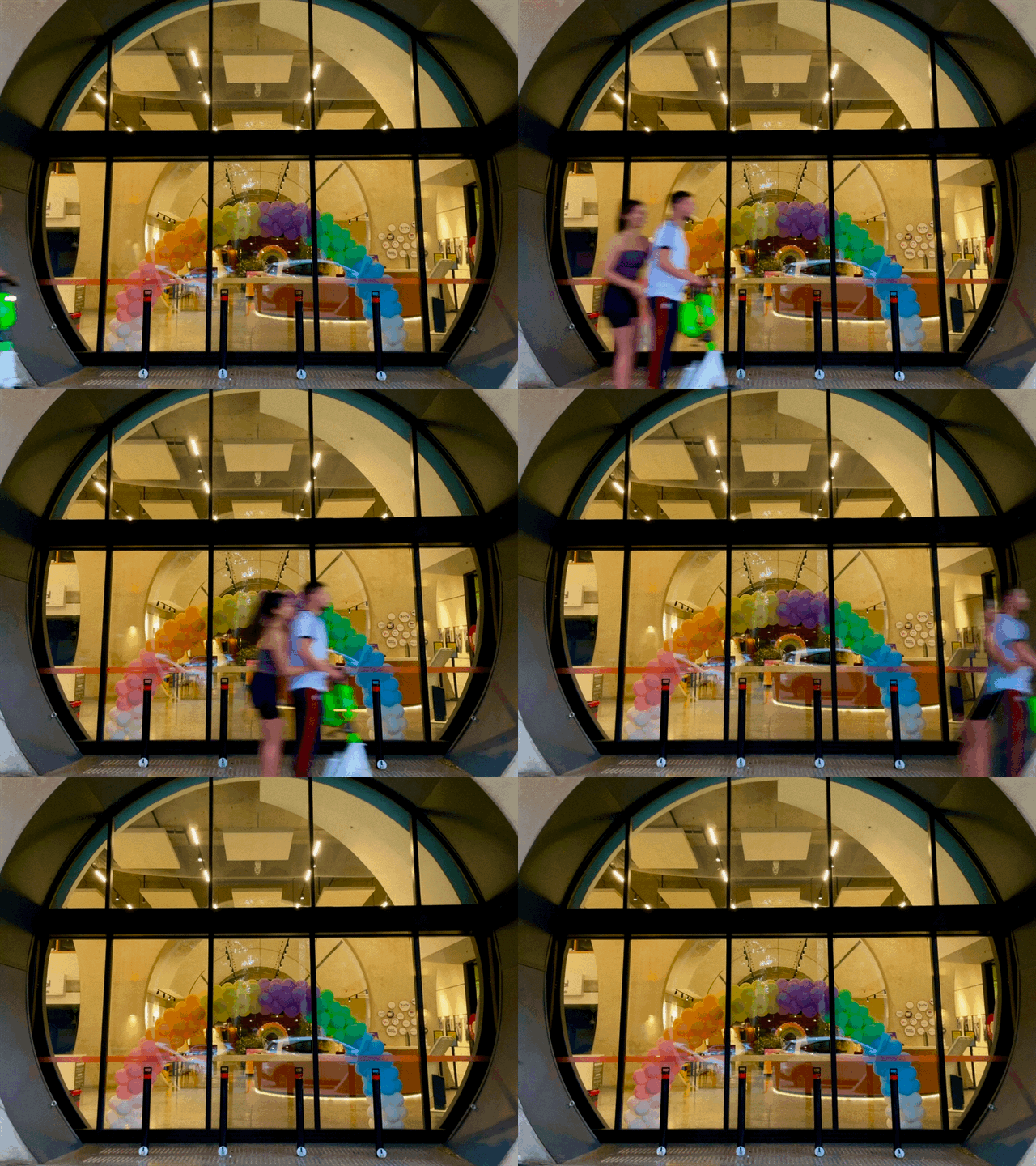
PLACE. COMMUNITY. The Victorian Pride Centre, Fitzroy St.
“The Victorian Pride Centre is the first purpose-built centre for Australia’s LGBTIQ+ communities. It is a place to pave new directions for LGBTIQ+ communities, while honouring and celebrating their brave – and at times difficult – past. It is home to practical and supportive services and will grow into a destination for visitors from across Australia, and beyond.”


5 facts you didn’t know about homelessness | Mission Australia
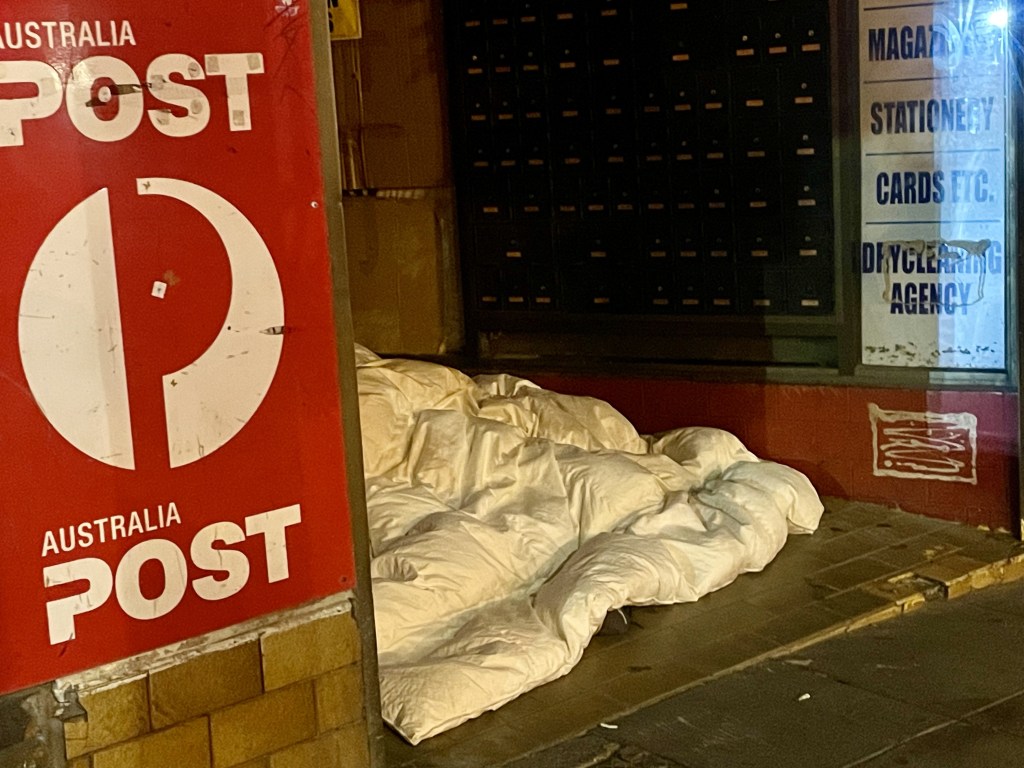
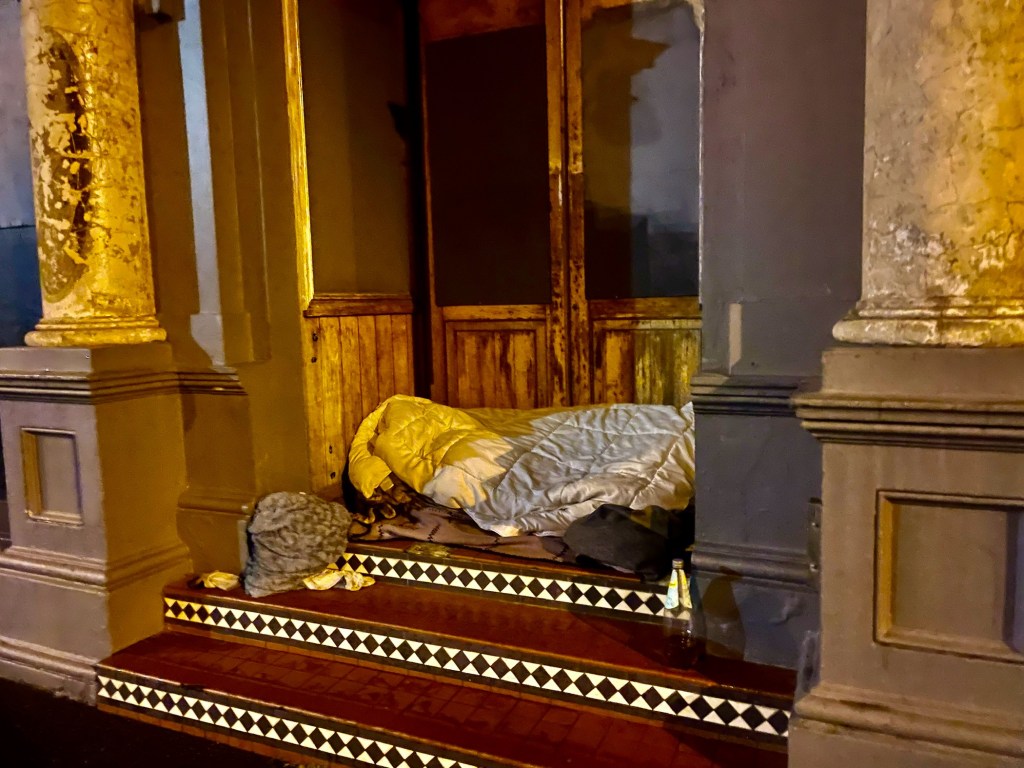
1. There are over 122,000 people experiencing homelessness on any given night
2. Only 6% of people who are homeless are sleeping on the streets
3. Over 17,600 children younger than 12 years are homeless
4. 60% of Aboriginal and Torres Strait Islander people experiencing homelessness live in severely overcrowded dwellings
5. Domestic and family violence is one of the leading causes of homelessness in Australia
Port Phillip Zero | Port Phillip City Council.
“We believe that housing is a human right. We know that homelessness and especially rough sleeping homelessness has devastating consequences on the health and wellbeing of those who experience it.”

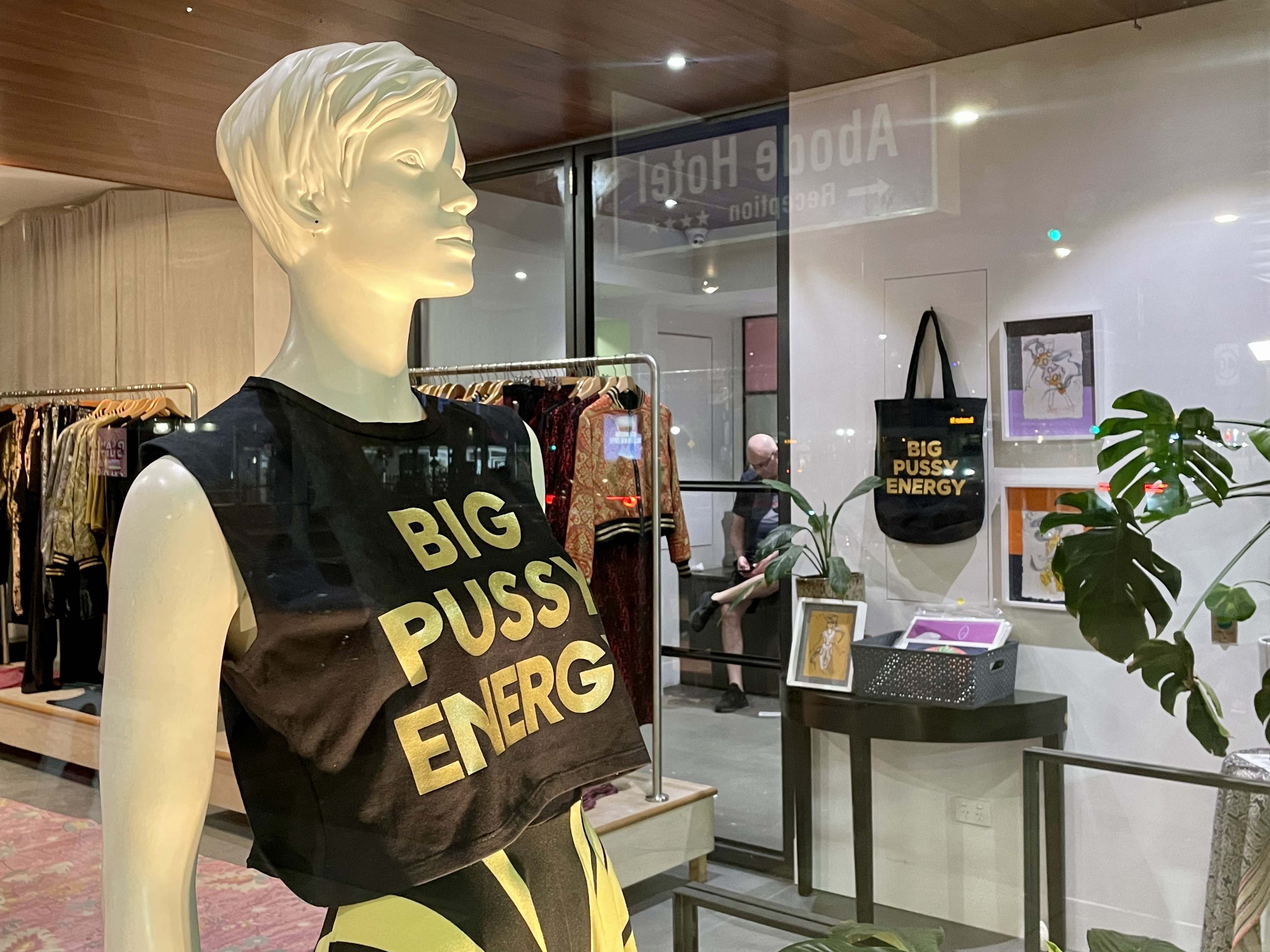
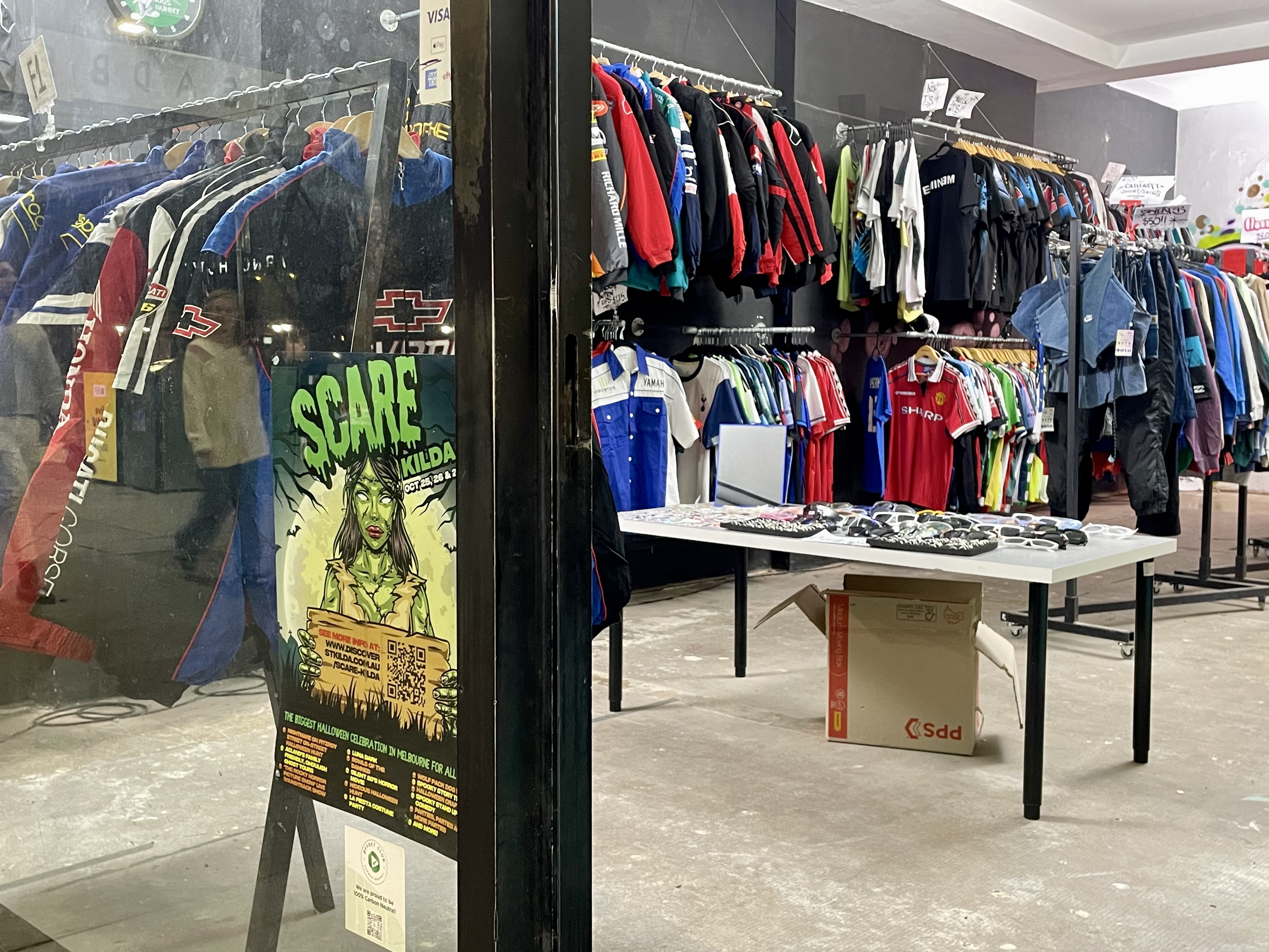
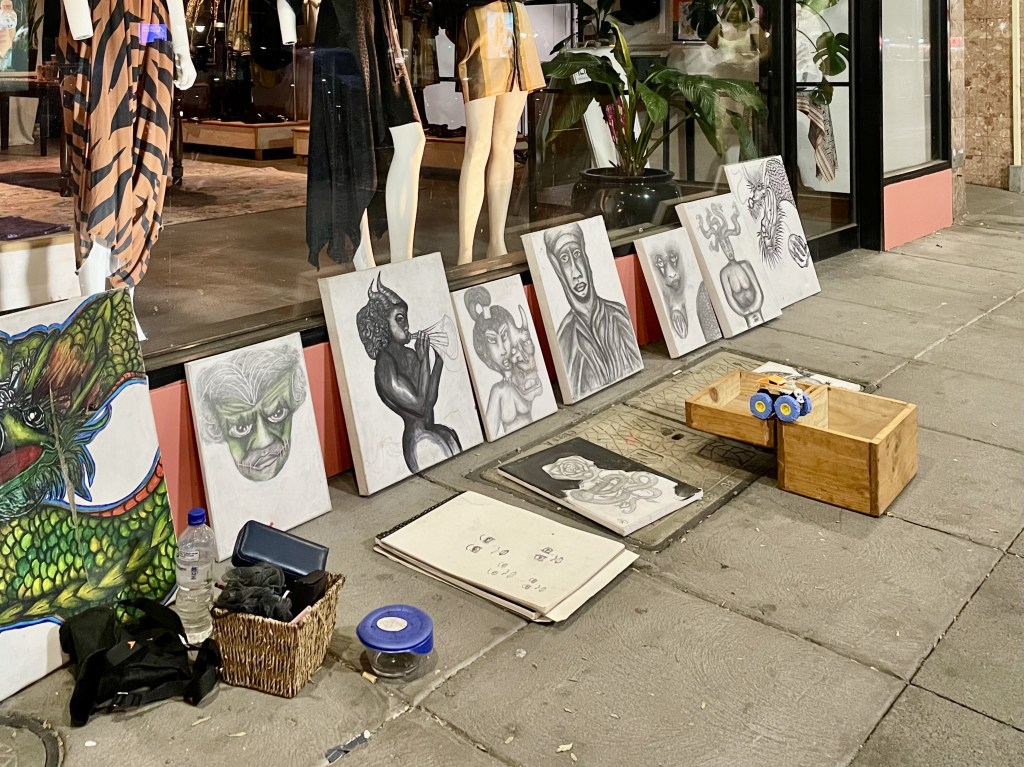
PLACE. HIGH-STREET. New traders pop up on Fitzroy Street
PLACE. PROPERTY DEVELOPMENT. Fortis Files Fresh Plans for Consolidated St Kilda Site (January 2023)
“Boutique property developer Fortis has lodged plans for a $25-million shoptop development at St Kilda.
“The planning application before the Port Phillip City Council seeks a five-storey mixed-use building on an amalgamated 2660sq m site at 61A-73 Fitzroy Street, St Kilda.
“The latest application wants to demolish the existing three-storey commercial building, which includes commercial shop fronts at street level and short-term accommodation on the upper level.”—The Urban Developer Online
Demolition was scheduled for early 2024.
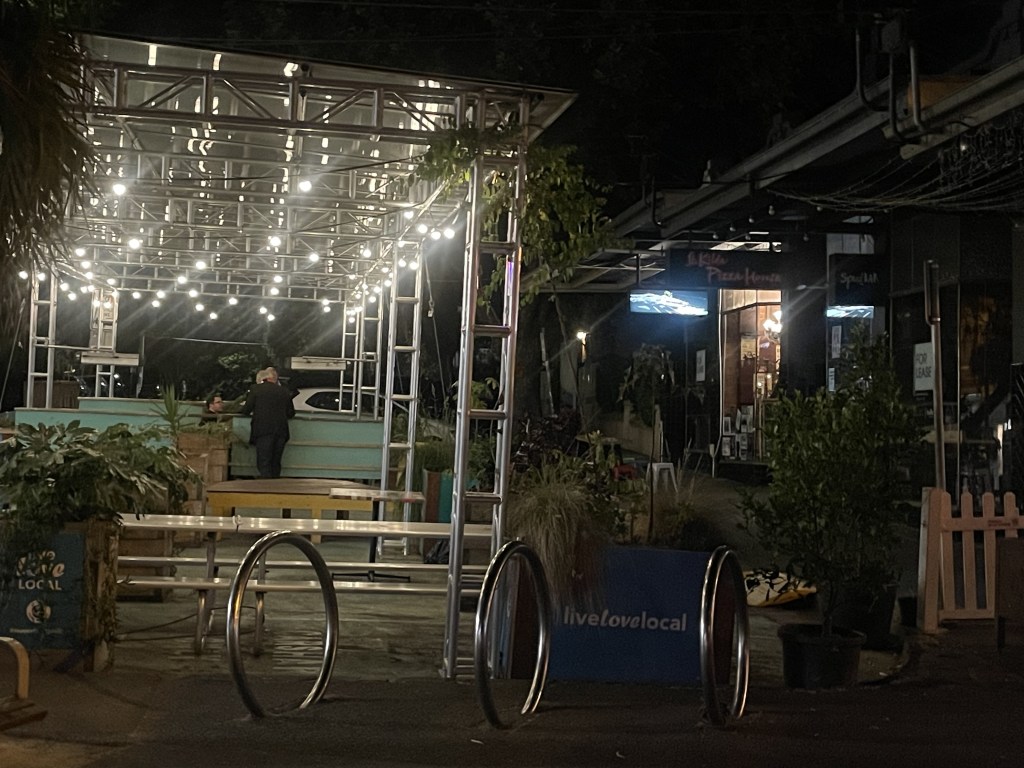
Fitzroy Street: Live Love Local | WSKRA
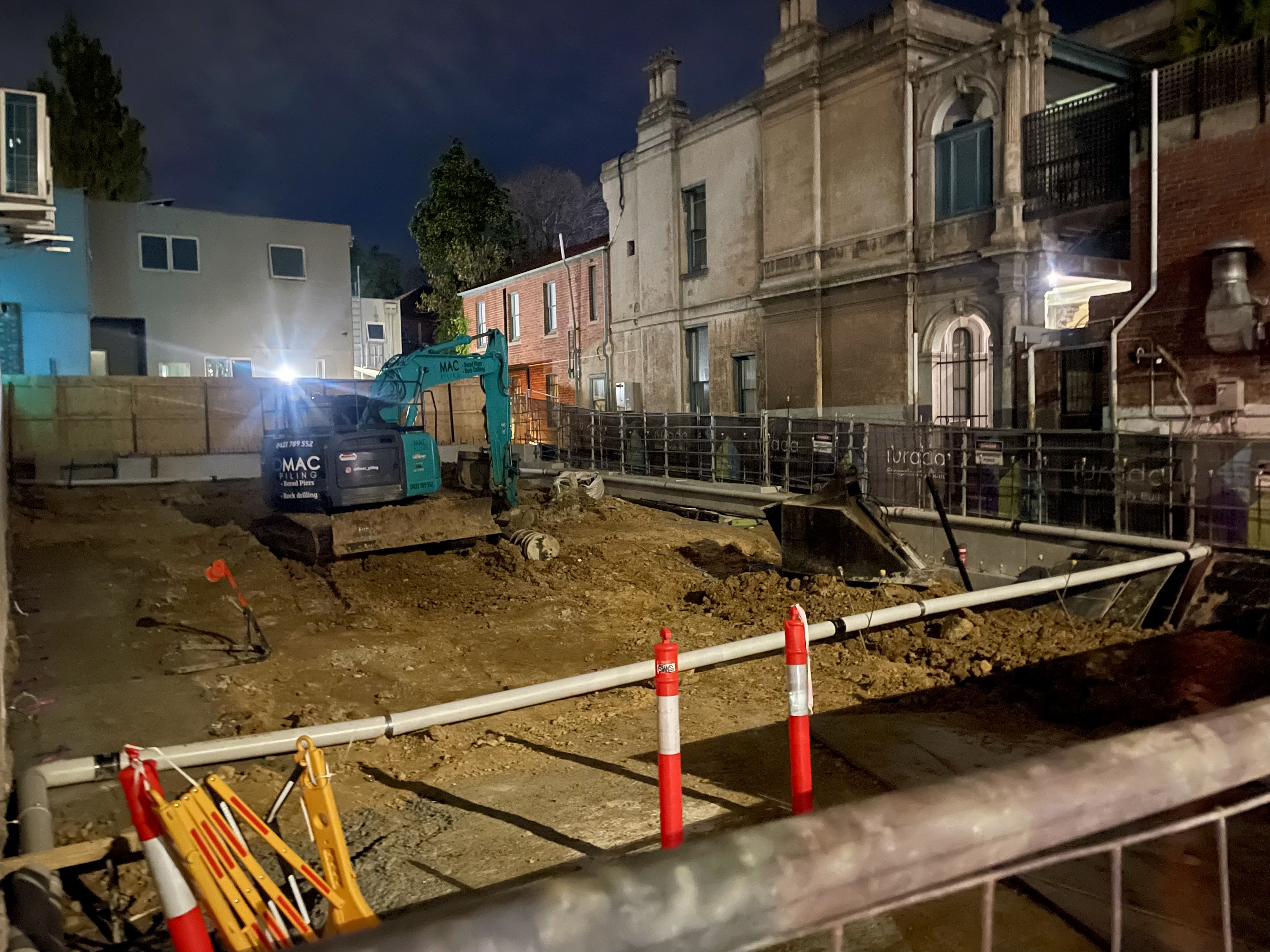
PLACE. PROPERTY DEVELOPMENT. 99-105 Fitzroy Street
“Nestled in the vibrant heart of St Kilda, the 99-105 Fitzroy Street development represents a pinnacle of luxury living, brought to you by the renowned Brunswick Group. This exquisite development, designed by the acclaimed architects at Warren & Mahoney, features an array of residential apartments that promise to redefine sophistication in one of Melbourne’s most iconic suburbs.
“Residents of 99-105 Fitzroy Street will enjoy a high Walkscore of 96, indicating that daily needs, entertainment, and leisure are just a walk away. Notably, the development is surrounded by top-rated schools, comprehensive shopping centres, lush parks, and is in close proximity to the highly regarded medical facilities. Public transportation options are abundant, ensuring easy access to and from the area.”—Townly
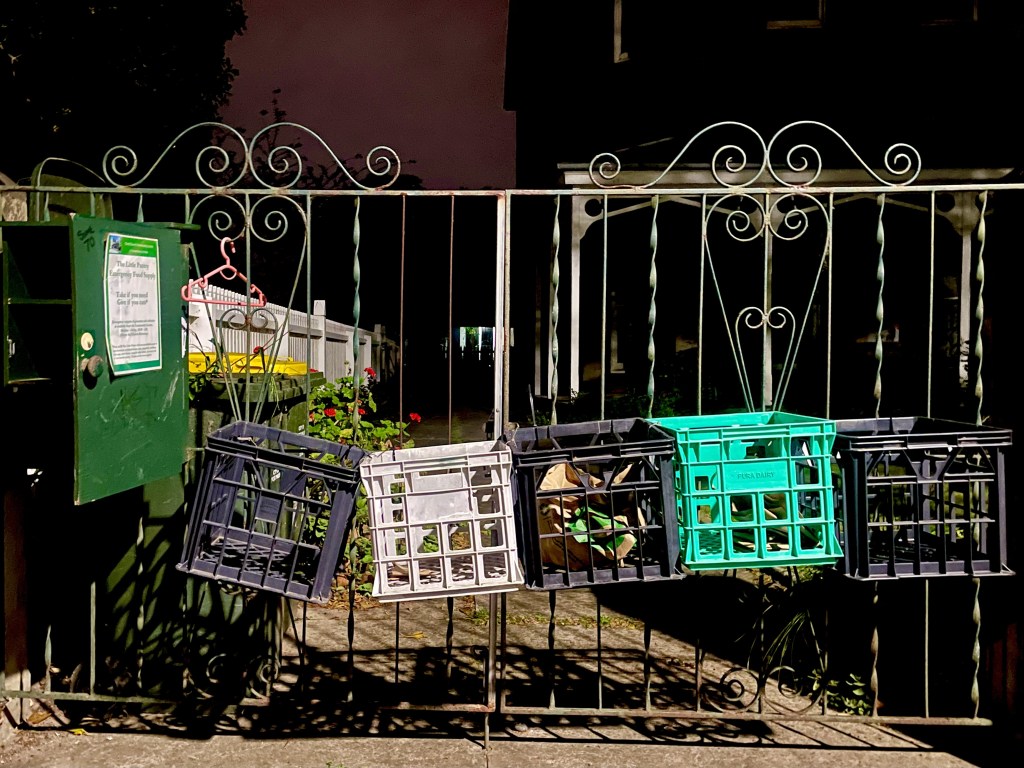
PLACE. COMMUNITY CENTRE. Christ Church St Kilda
“Christ Church Mission’s Community Centre (St Kilda’s Little Mission) is committed to creating an environment which is welcoming, inclusive and supportive for the diverse range of people and groups in our local community.
“Recognising that poverty of resources and poverty of relationships can lead to social exclusion, the Centre offers opportunities for social interaction and personal growth, particularly through our weekly free community meal, emergency support, volunteering opportunities, engagement in free or low-cost activities, and community outreach.”—St Kilda’s Little Mission
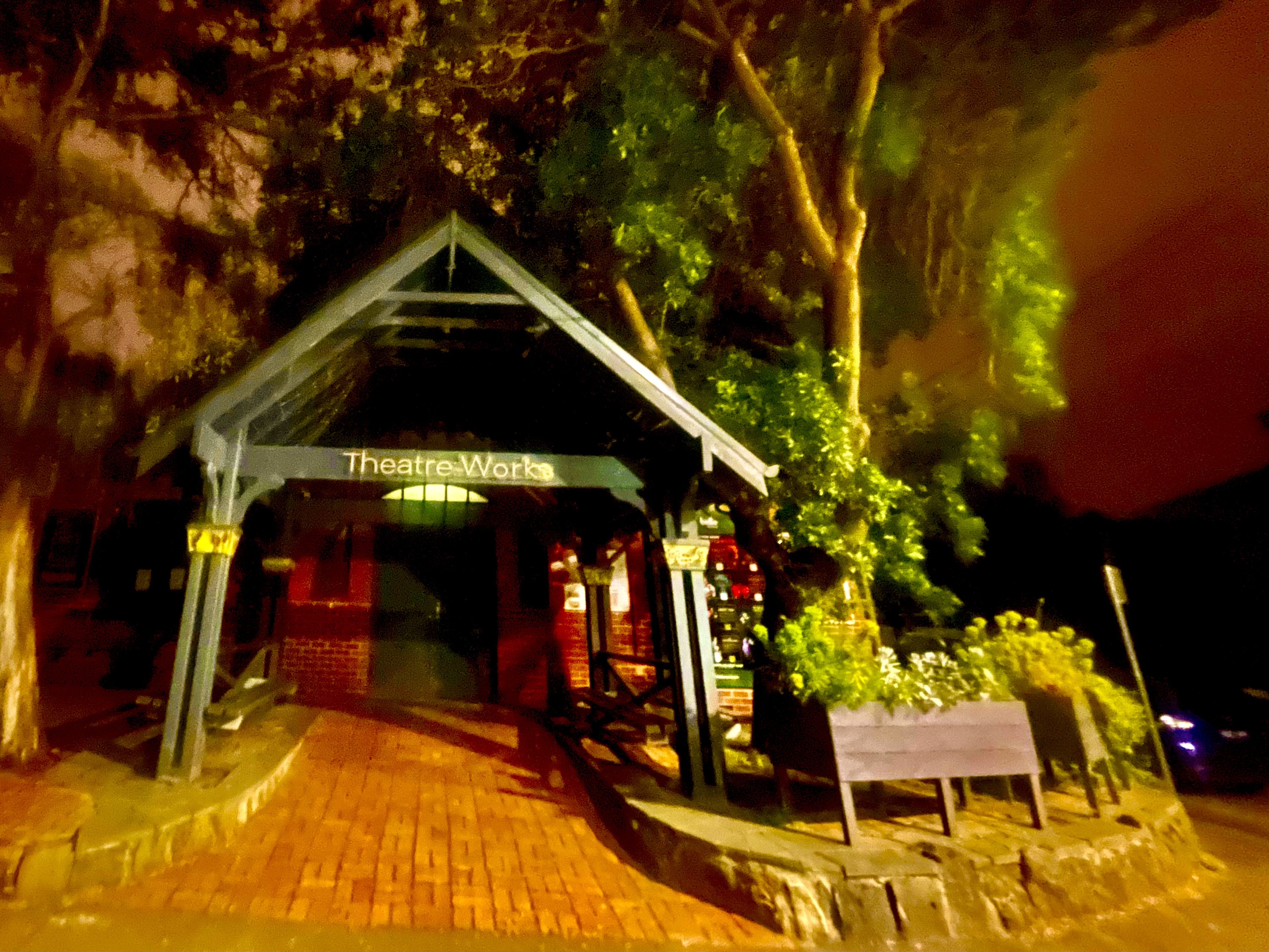
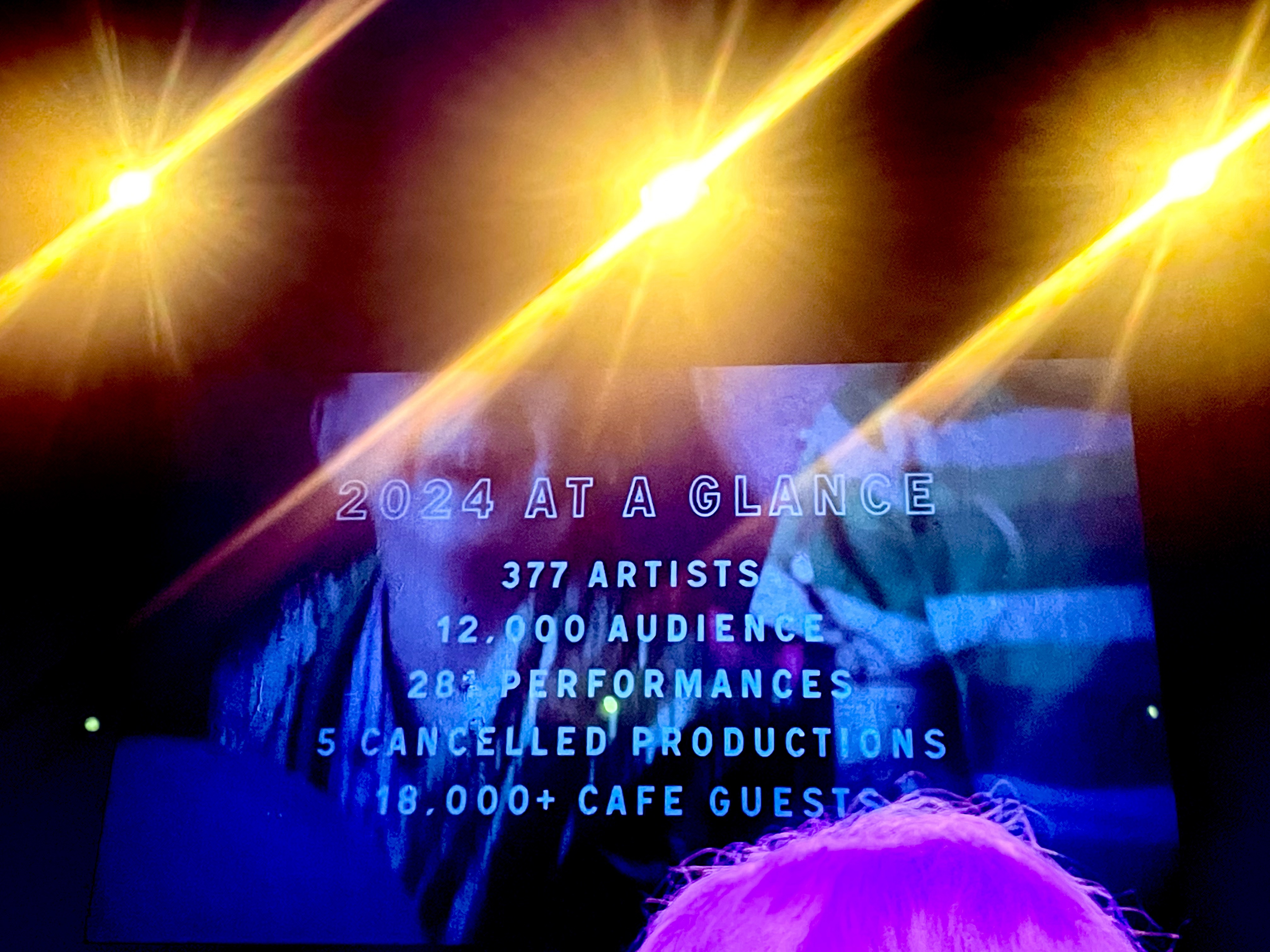
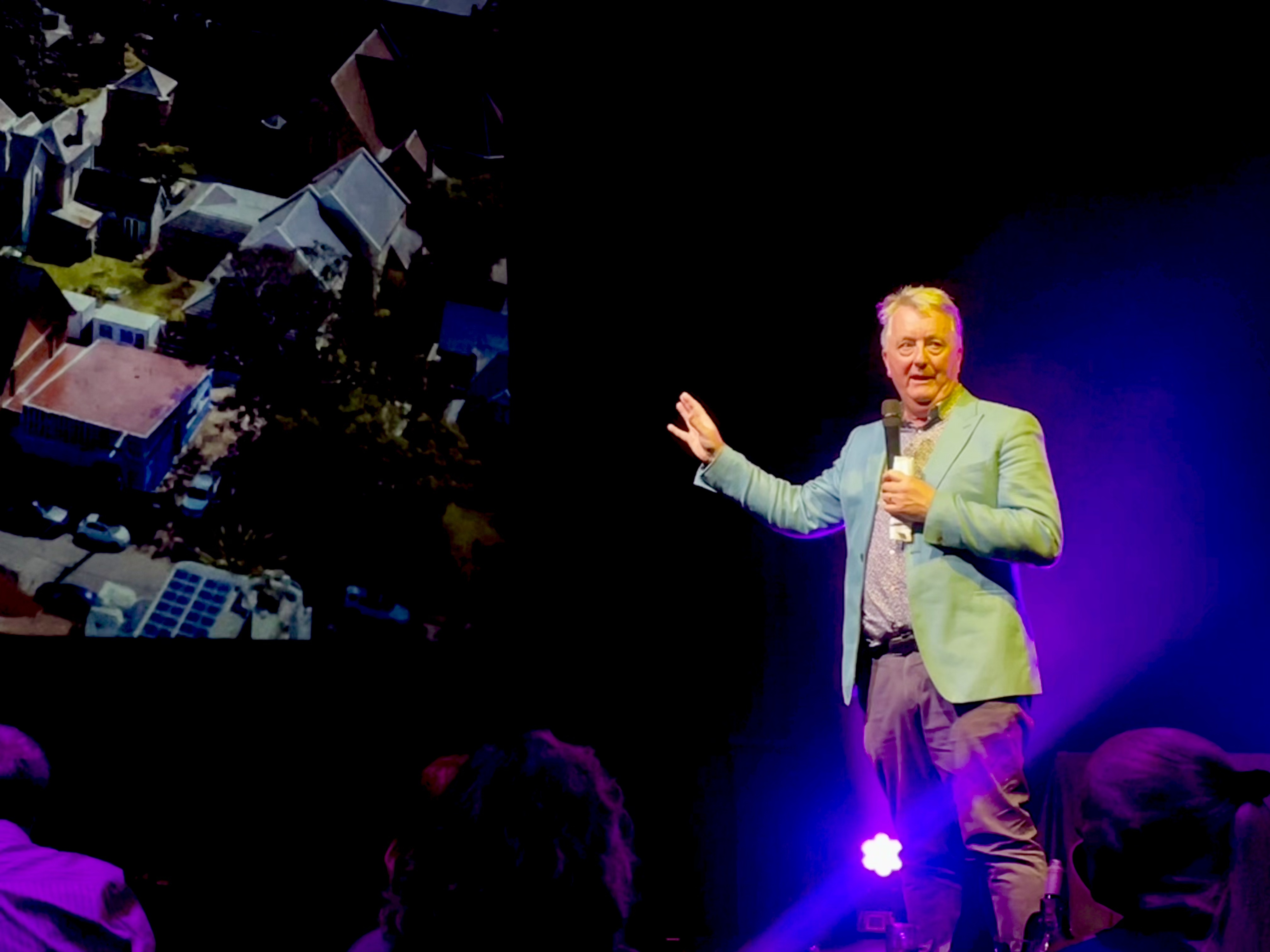
PLACE. THEATRE. Theatre Works on Acland Street and Explosives Factory on Inkerman Street
“Theatre Works is one of Australia’s longest-running independent theatres, constantly reinvigorating and reimagining the sector by providing a hotbed for artists and audience development.
“Theatre Works champions artists and work that embraces difference and celebrates risk, working to provide a supportive public platform for marginalised conversations and voices.”—TW
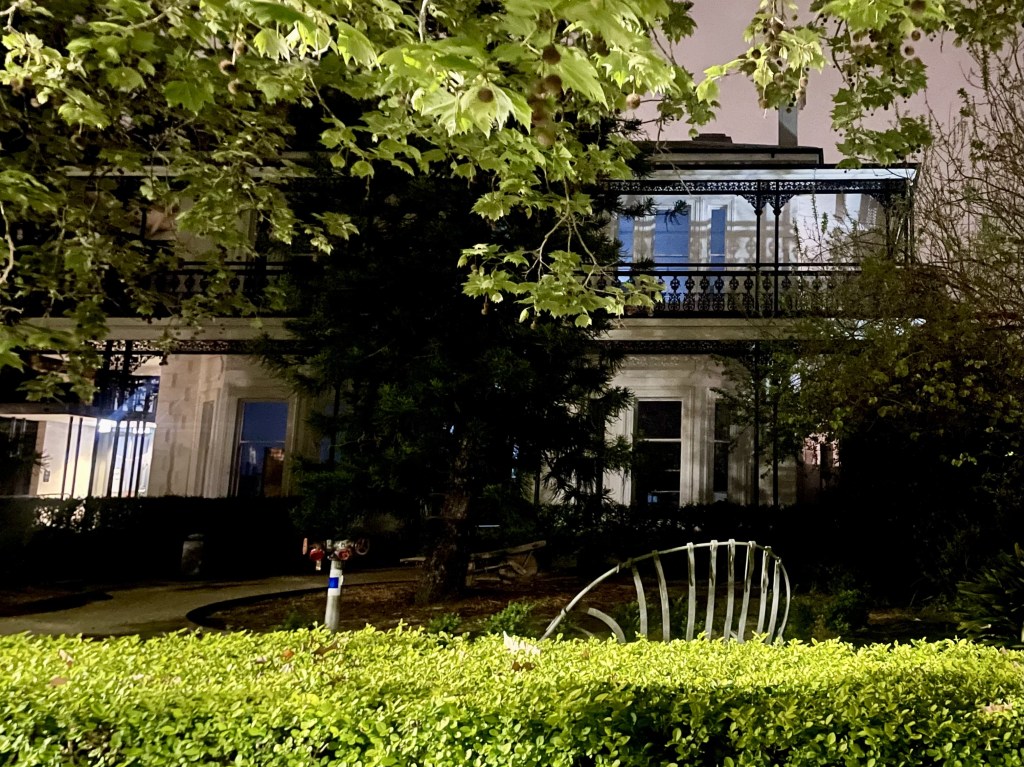
PLACE. ART. Linden New Art on Acland Street
“The mansion was purchased in 1983 by the St Kilda City Council, now part of the City of Port Phillip, and extensive renovations were undertaken to improve the facility for the community.
“Linden opened to the public as an art gallery in 1986. In late 2017 to 2018, the City of Port Phillip supported another significant upgrade to the facility and as a result a stunning new entry foyer and additional exhibition spaces were built. Designed by Michael Taylor Architecture & Heritage, the large two storey glass box that links the old and new parts of the building was inspired by glass panels found in the Linden Project Space.
“The heritage-listed building is a free entry public art gallery and a significant cultural destination in St Kilda.”—Linden New Art Online
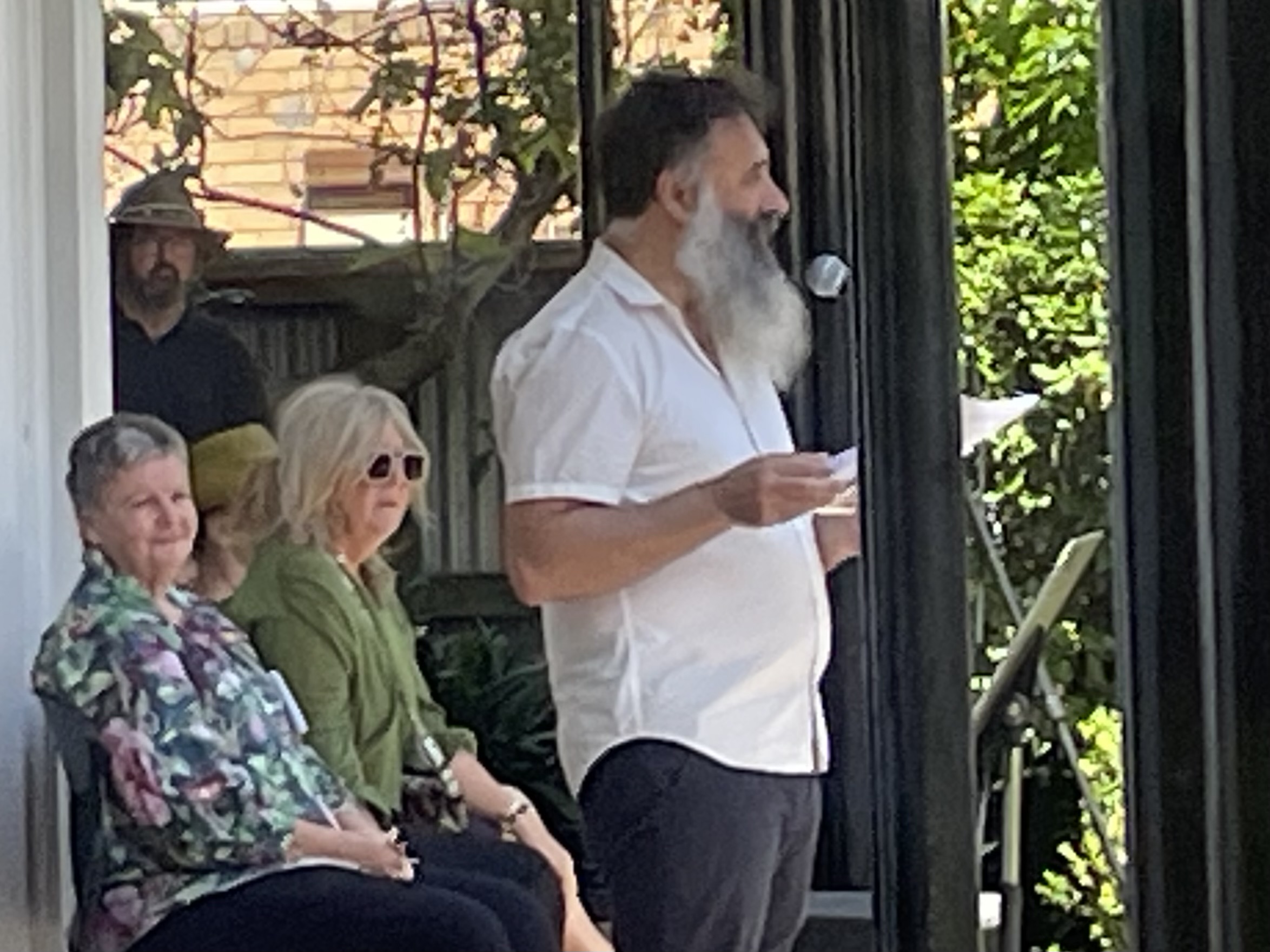


PLACE. FAST FOOD. McDonald’s on Acland Street/The Esplanade is open 24/7
“The classic, long-running fast-food chain known for its burgers & fries, situated at the centre of Acland Street.”—Acland Street Village
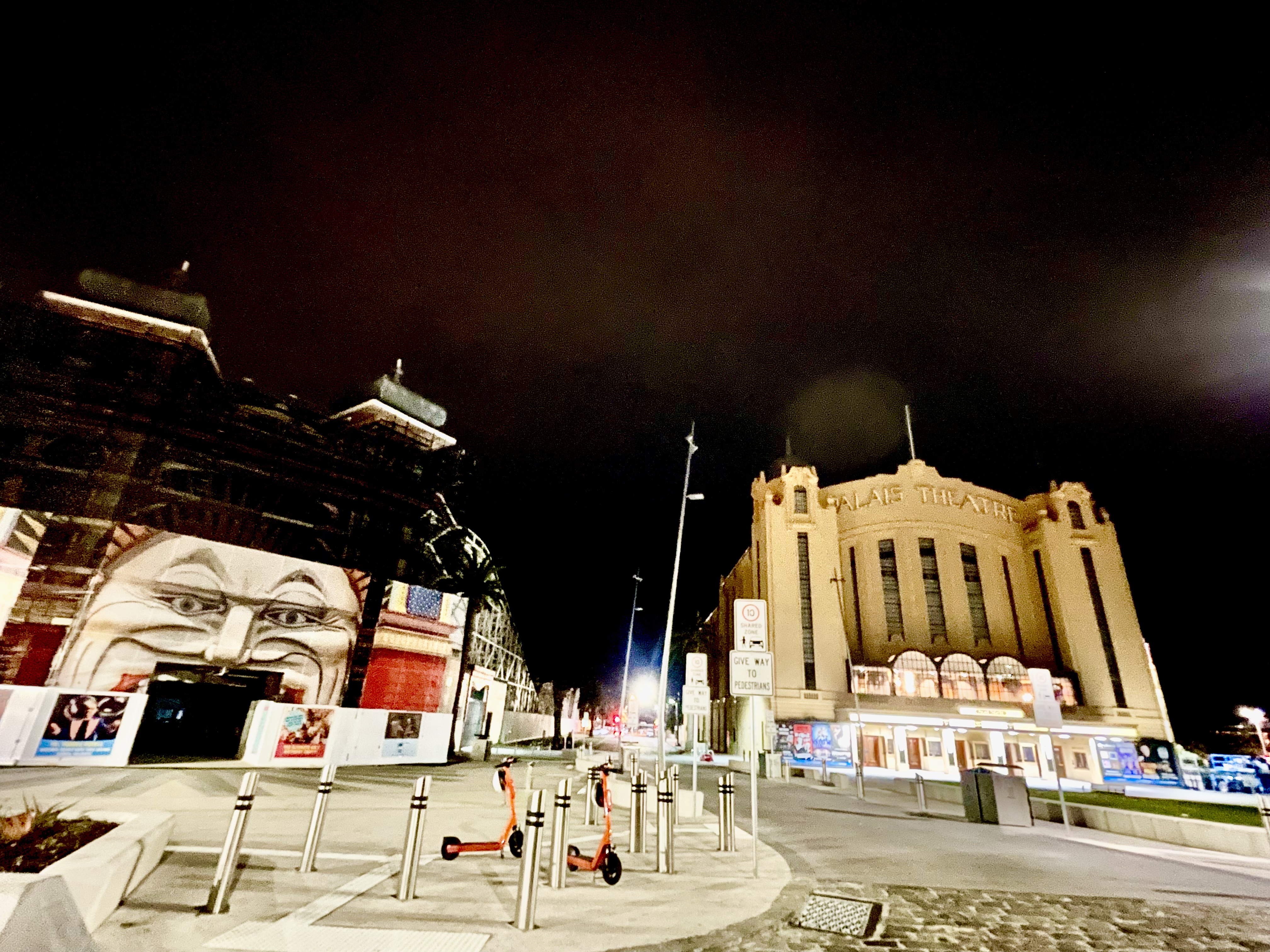
A revitalised public space completed in September/October 2024.
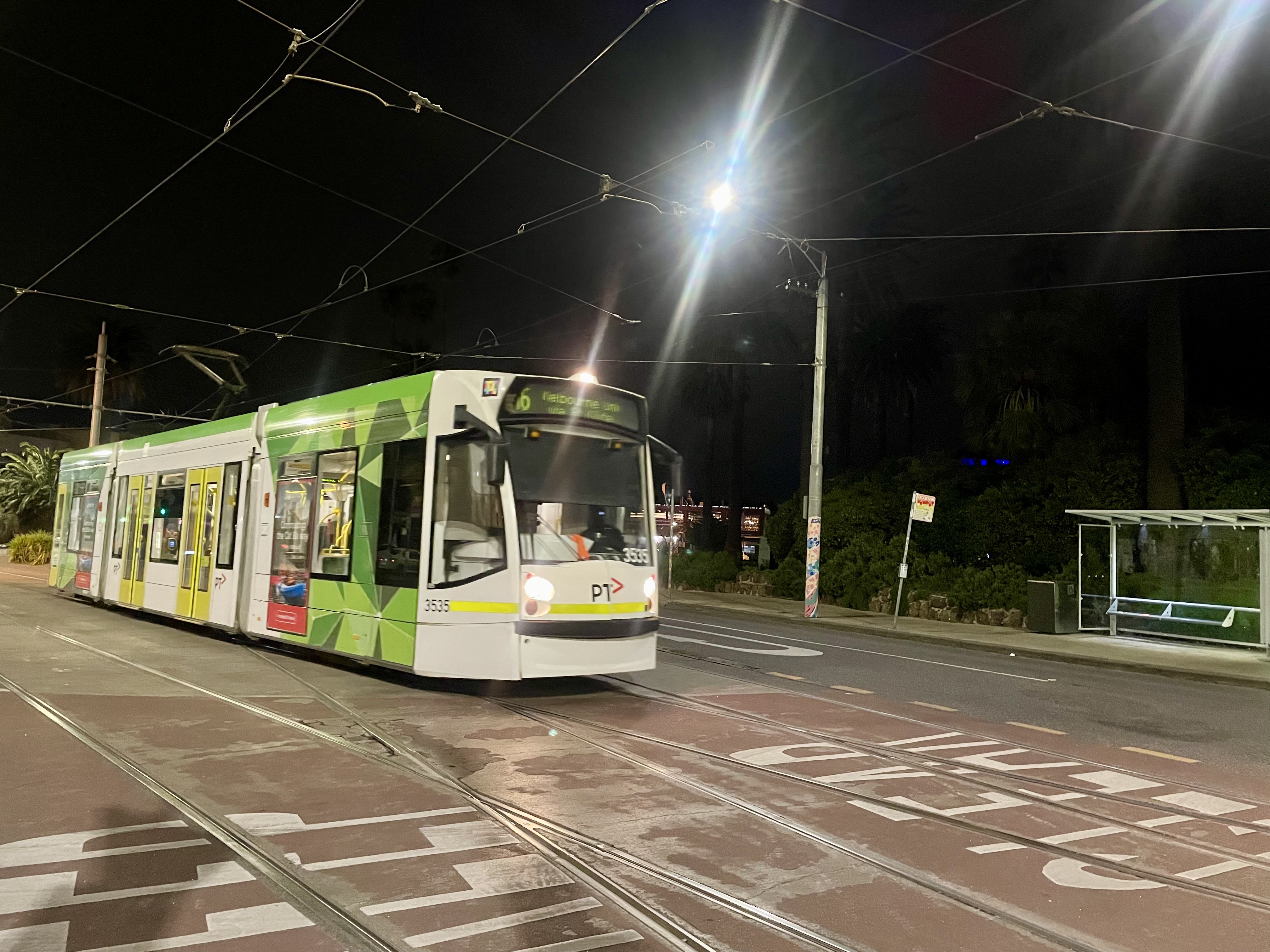
“No. 16 tram from Swanston Street, No. 96 from Bourke Street, or No. 12 from Collins Street (around 25 minutes) to St Kilda; No. 3 from Swanston Street to Carlisle Street (around 35 minutes) and Alma Road (around 40 minutes).
“Trams run approximately every 10 minutes between 5.30am and 1.30am.”—What’s On St Kilda Online

Find out more about using a mobility aid on trains, trams and buses
postscriptum:

Stark Inequality and crimes against humanity go hand in hand
“The wealth of the world’s 10 richest men has doubled since the pandemic began. The incomes of 99% of humanity are worse off because of COVID-19. Widening economic, gender, and racial inequalities—as well as the inequality that exists between countries—are tearing our world apart.
“This is not by chance, but choice: “economic violence” is perpetrated when structural policy choices are made for the richest and most powerful people. This causes direct harm to us all, and to the poorest people, women and girls, and racialised groups most. Inequality contributes to the death of at least one person every four seconds.
“But we can radically redesign our economies to be centred on equality. We can claw back extreme wealth through progressive taxation; invest in powerful, proven inequality-busting public measures; and boldly shift power in the economy and society.
“If we are courageous, and listen to the movements demanding change, we can create an economy in which nobody lives in poverty, nor with unimaginable billionaire wealth —in which inequality no longer kills.”—Oxfam International (January 2022)
Australia’s wealthiest 200 now control $625b | AFR | Yolanda Redrup, Michael Bailey (May 2024)
“The fortunes of the Rich 200 swelled 11 per cent to $624.9 billion in the past 12 months. Topping the Financial Review Rich List for the fifth year in a row is iron ore magnate Gina Rinehart, whose continued dominance reflects the strength of the resources sector; five of the top 10 fortunes are built on extraction.”
Australia’s 50 Richest 2024 | Forbes Magazine | Naazneen Karmali, Forbes Staff (February 2024)
“Surmounting the challenge of a weaker currency, Australia’s 50 richest tycoons are collectively better off than from a year ago. They added US$9 billion, or around 4%, to take their combined wealth to US$222 billion.”

SOD! HavaLaff!
Now this…… is comedy.
“Politics should be left out of local government, and I totally believe that.”—Erin Deering, the 2024 Deputy Mayor candidate for the City of Melbourne, is also known as one of Australia’s richest women, amassing a sizeable fortune from selling small pieces of material to cover women’s bits. (I hear in the distance Elon Musk murmuring, yes yes yes, erndearing, yes…)
It’s Money—and not Politics—but Money, Money, Money’s influence on people who are in the business of politics that should be left out and kept out of government decisions, right? At all levels, local, state, federal! Thing is, while not everybody believes in God, everybody believes in Money. Trust in God, why not; believe only in Money, why not, absolutely! But… but but but why take the politics out of local politics? Am I missing something?
And so, from the personal to the political, let’s follow the Money.
Erin Deering, Arron Wood and Intaj Khan were three failed deputy mayor candidates for Melbourne City. They are also three of the six biggest cash donors to the 2024 Victorian council election campaign.
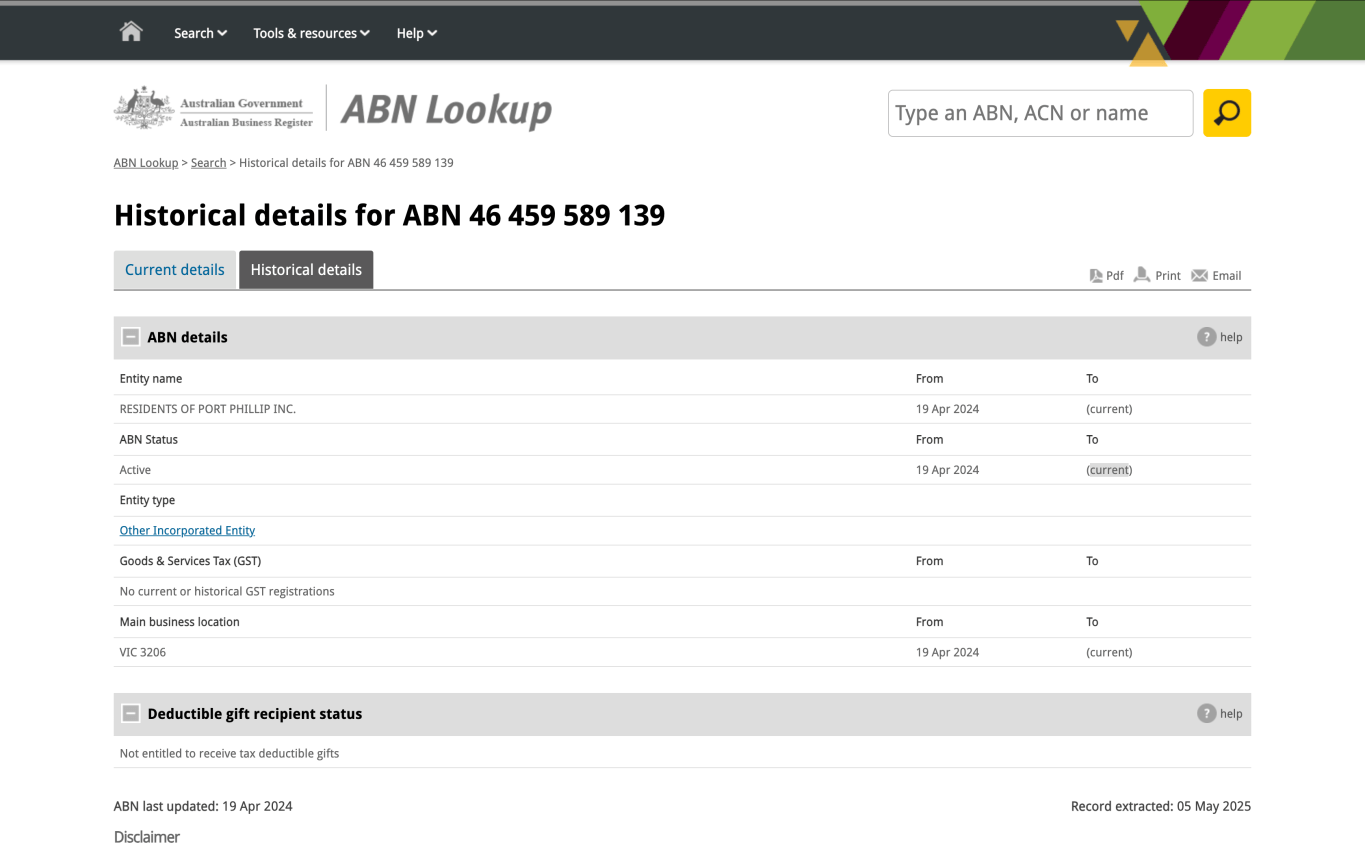
The other three biggest donors were the Australian Greens, Liberal Party and “Residents Of Port Phillip”. And why the “inverted commas”?
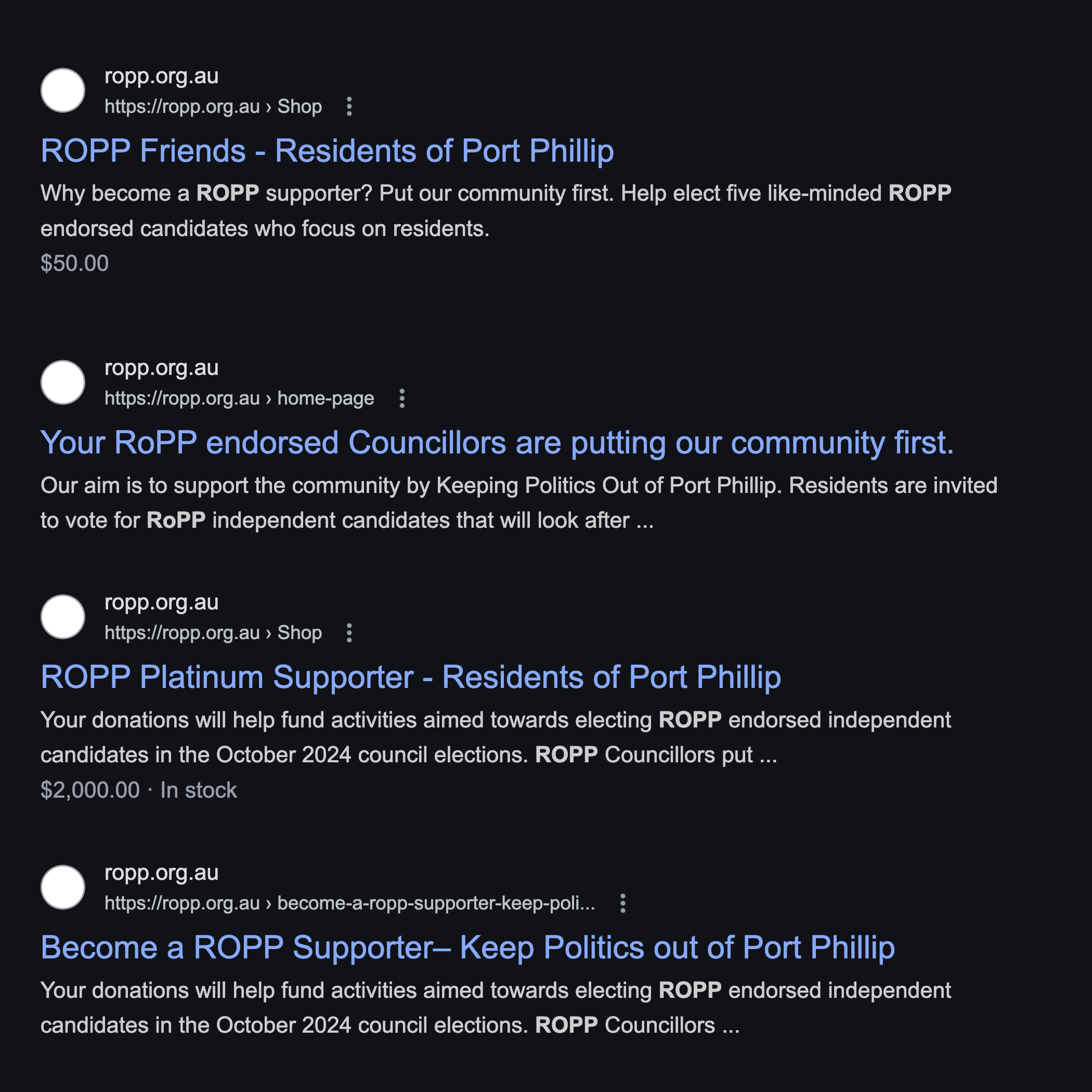
“Residents Of Port Phillip”— R. O. P. P. —is “not a political party” that first introduced itself as “Ratepayers Of Port Phillip”. Isn’t this how disinformation starts? Just havalaff. Please.
“Keeping Politics Out Of Port Phillip?” Just havalaff. Please.
Q: Does slapping a homeless rough sleeper with a fine the moral and practical thing to do to stop the homeless from rough sleeping? Where do you send the infringement notice? Do local laws apply to non-residents?
Q: If community safety is what we really care about, shouldn’t we in the community address first of all the violence and abuse within the confines of our homes, out of public view, and the hooning just outside our windows? These cause more harm to more people than the homeless who are truly doing it tough living rough in commercial high streets, carparks, and public parks and gardens. Incidentally, a leading cause of homelessness is… domestic violence.
Q: If we care about what’s happening in the distant Third World and war-torn countries, what’s stopping us from caring about the Fourth World and the marginalised who are right here in our neighbourhood? We cannot ignore that in St Kilda the posh, the penniless, the punk and the pitiful have always co-existed. It should never be a surprise to anyone who’d decided to live, work, play or party in this area to see people who don’t quite fit the picture-perfect postcard town the City Of Port Phillip is thought to be.
The vilification of homeless rough sleepers as threats to community safety—and lying in all its forms— should have no place in the City of Port Phillip. “The centre of democracy is truth. You are not free if you’re being lied to.”—Jason Stanley
Gerome Villarete
13 January 2025
Art Saves Lives
For the record.
Vested interests, money, and the democratic deficit | Grattan Institute (February 2020)
Money in politics: a flood of political donations | Centre For Public Integrity (January 2021)
Political donations: A corrupting influence? | Parliament Of Australia
Eliminating the undue influence of money in politics | Centre For Public Integrity
Democracy before Dollars: The Problems with Money in Australian Politics and How to Fix Them | University Of Melbourne website (November 2024)
Political finance law reforms will reduce big money in politics, but will rich donors be the ultimate winners? | Parliament Of Australia | Joo-Cheong Tham