[JUST ABOUT NOW IS A COLLECTION OF THINGS HAPPENING IN OUR SPACES & PLACES, PHYSICAL & DIGITAL, intersecting past, present, future, CREATIVITY, CULTURE & COMMUNITY INTO the NOW. STITCHED TOGETHER BY GEROME FOR WSKRA.COM]
This Page: Published January 2025
Tim Minchin, Jonathan Haidt, Trevor Noah, Stephen Fry, Marilynne Robinson, Midnight Oil, Yayoi Kusama.
Next Page:
Mark Achbar, Jennifer Abbott, Bart Simpson, Joel Bakan, Harold Crooks, Warren Buffett, Ray Dalio, BBC, DW, Alan Watts, Erased Tapes, Yayoi Kusama.
<<<More
Voice from Australia:
Tim Minchin
Podcast: Ways To Change The World | Channel 4 News | Krishnan Guru-Murthy (Posted 05 December 2024)
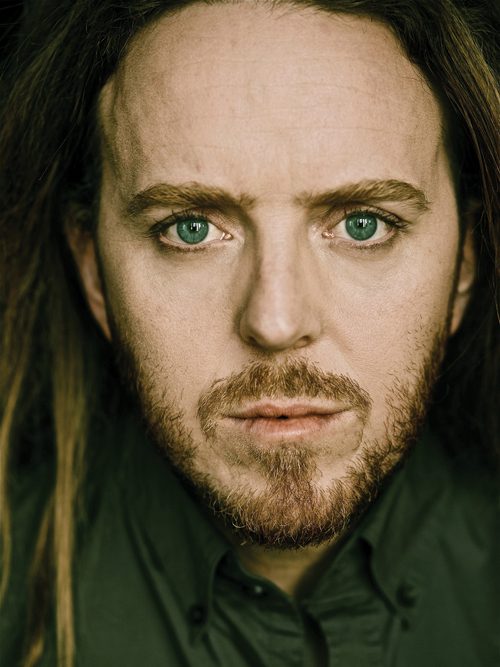
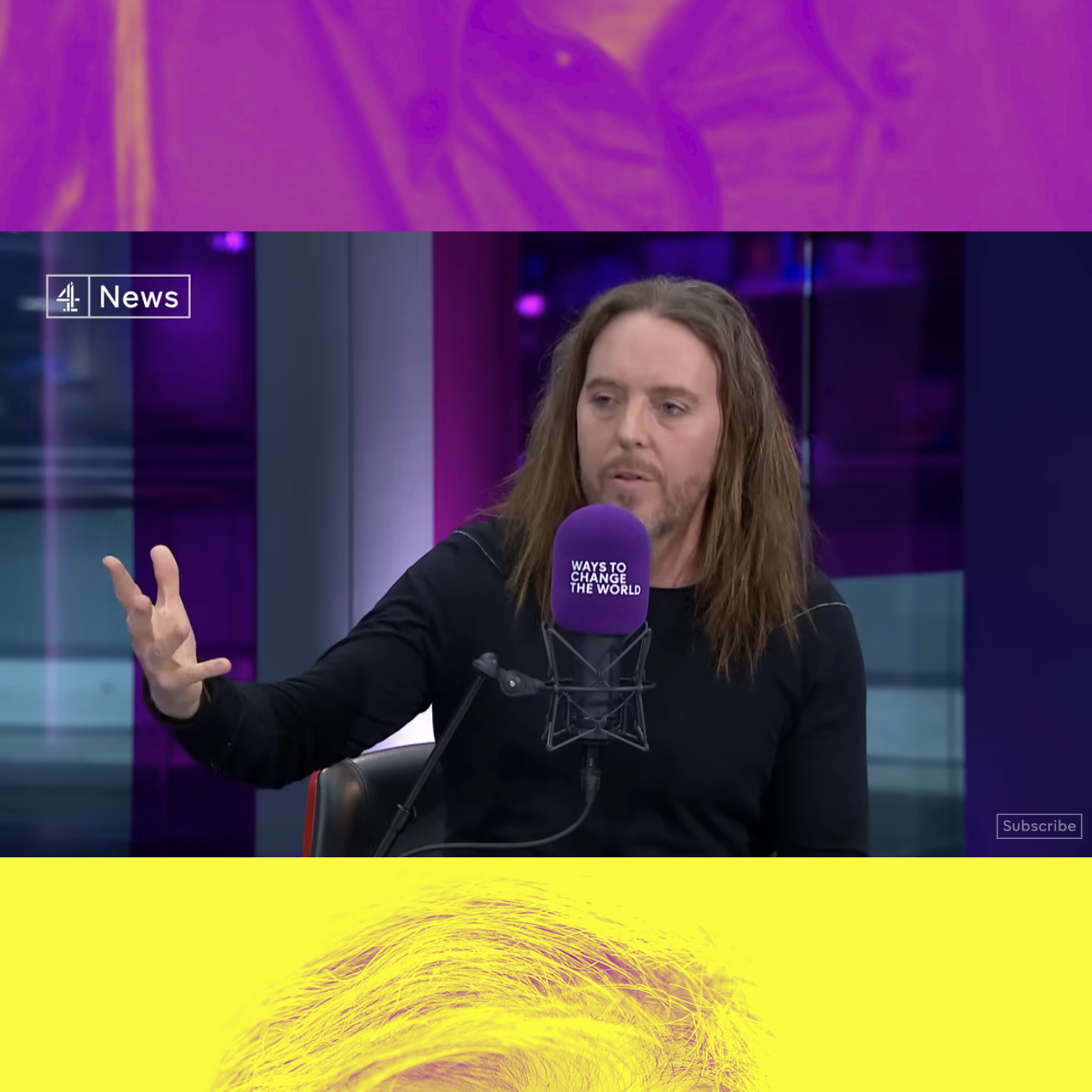
Tim Minchin on Wikipedia
Tim Minchin on TimMinchin.com
Voice from America:
Jonathan Haidt
Podcast: Triggernometry | Konstantin Kisin and Francis Foster (Posted 12 August 2024)
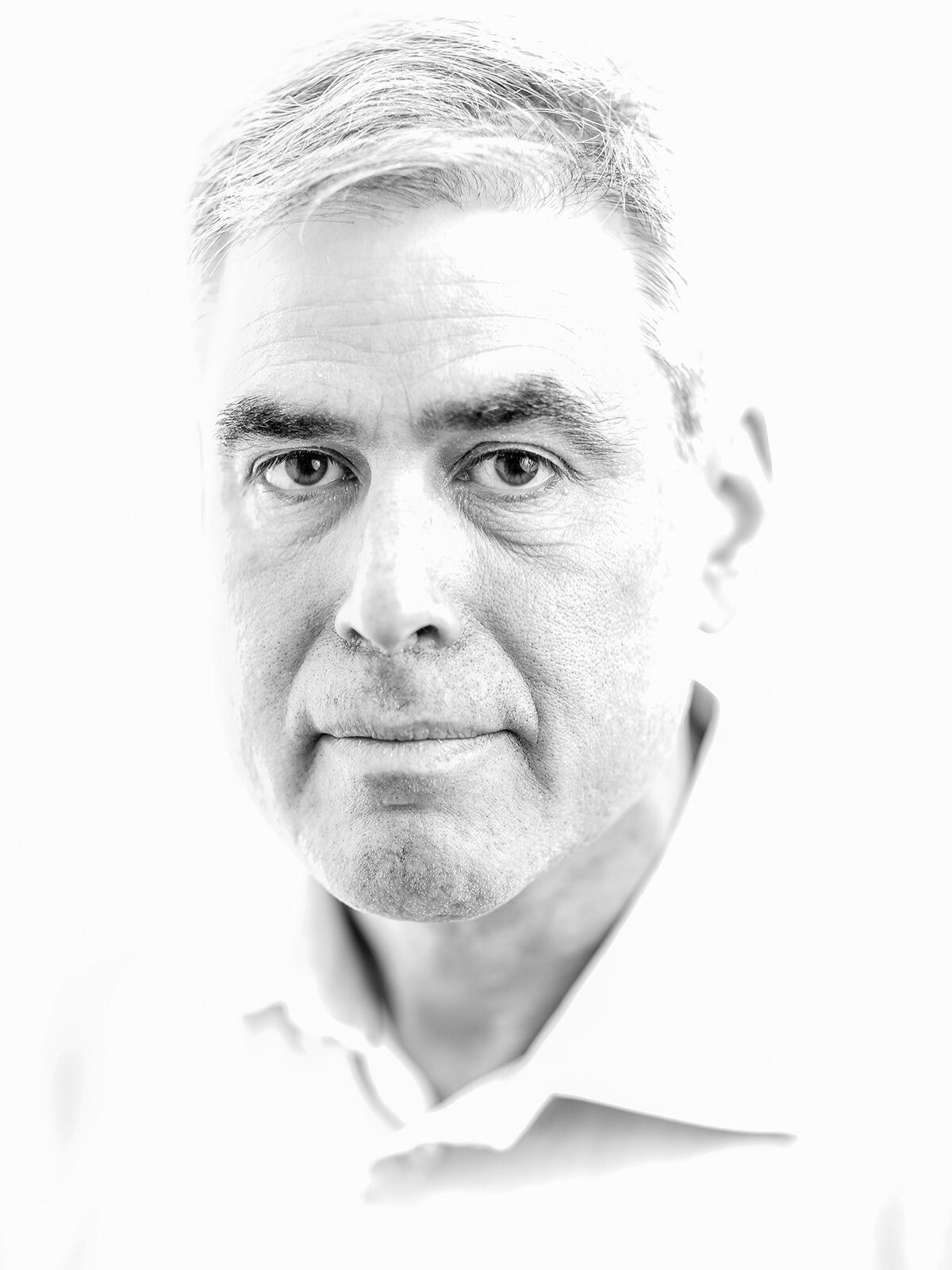

Jonathan Haidt on Wikipedia
Jonathan Haidt on JonathanHaidt.com
Voice from South Africa:
Trevor Noah
Podcast: A Bit Of Optimism | Simon Sinek (Posted 18 December 2024)

Trevor Noah on Wikipedia
Trevor Noah on TrevorNoah.com
Voice from Britain:
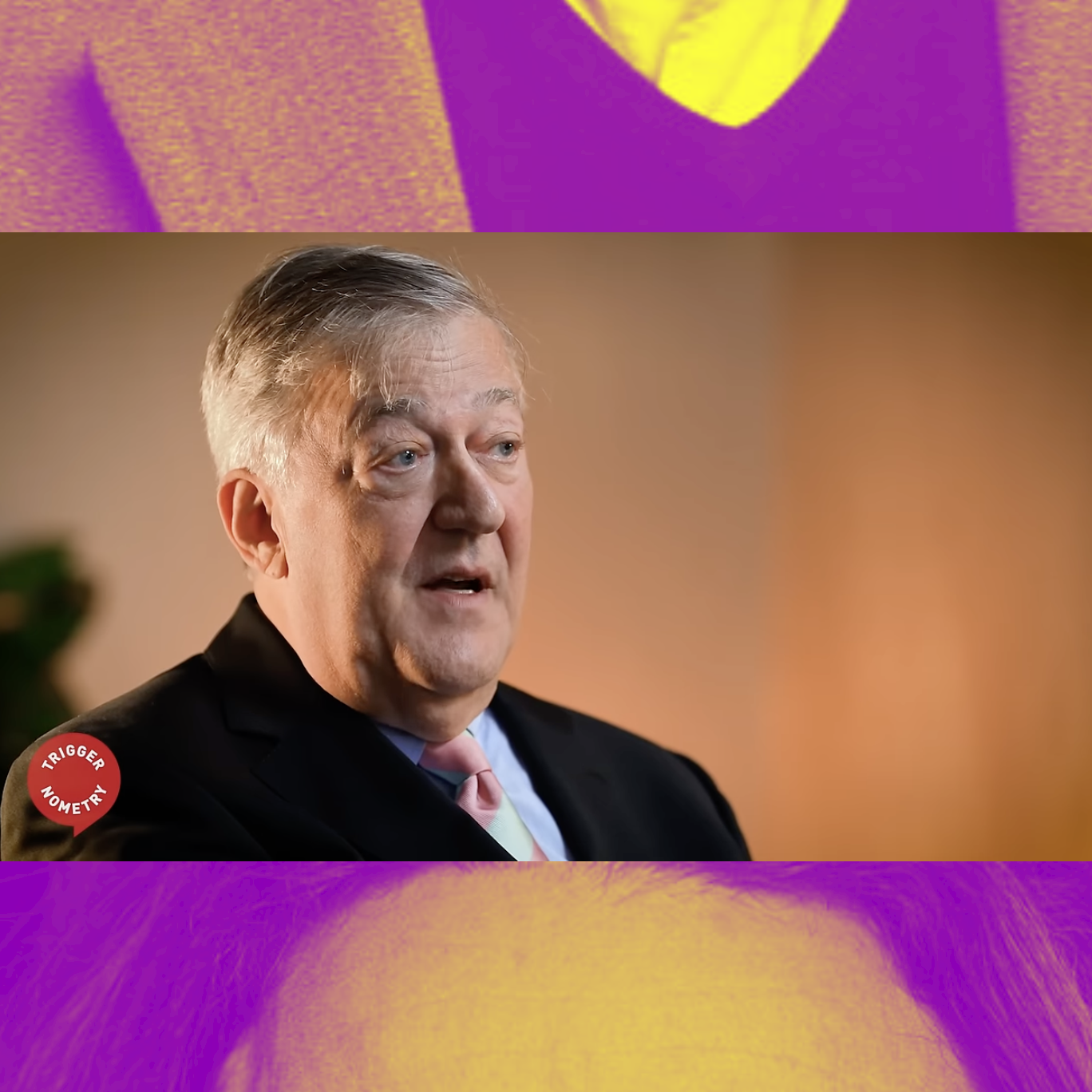
Stephen Fry
Podcast: Triggernometry | Konstantin Kisin and Francis Foster (Posted 19 December 2024)

Stephen Fry on Wikipedia
Stephen Fry on StephenFry.com
Voice from America:
Marilynne Robinson
Essay: Save Our Public Universities | Harper’s (March 2016)
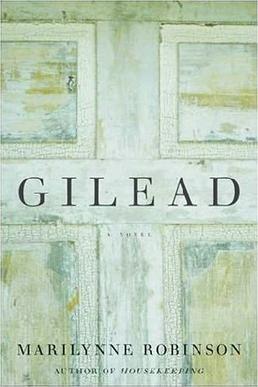
Novel: Gilead (2005 Pulitzer Prize for Fiction) | Farrar, Straus and Giroux (November 2004)

Save Our Public Universities (Harper’s March 2016)
Since Plato at least, the arts have been under attack on the grounds that they have no useful role in society. They are under attack at present. We have convinced ourselves that the role of the middle ranks of our population is to be useful to the economy — more precisely, to the future economy, of which we know nothing for certain but can imagine it to be as unlike the present situation as the present is unlike the order that prevailed a few decades ago.
If today is any guide, we can anticipate further profound disruption. Whatever coherence the economy has created in the culture to this point cannot be assumed. The reverence paid to economic forces, as well as the accelerating accumulation of wealth in very few hands, increasingly amounts to little more than faceless people with no certain qualifications playing with money, and enforces the belief that our hopes must be surrendered to these forces.
The coherence that society might take from politics — that is, from the consciousness that it is a polity, a human community with a history, and an aspiration toward democracy, the latter of which requires a capacity for meaningful decisions on its life and direction — exists apart from these forces and is at odds with them.
So far as those forces are determining, and so long as they succeed in defining utility, value, and legitimacy for the rest of us, we will have surrendered even the thought of creating a society that can sustain any engagement or purpose beyond that endless openness and submissiveness to other people’s calculations and objectives we call competition.”
Gilead by Marilynne Roibinson (GoogleBooks preview 24 pages)
My mother’s father was a preacher, and my father’s father was, too, and his father before him, and before that, nobody knows, but I wouldn’t hesitate to guess. That life was second nature to them, just as it is to me. They were fine people, but if there was one thing I should have learned from them and did not learn, it was to control my temper. This is wisdom I should have attained a long time ago. Even now, when a flutter of my pulse makes me think of final things, I find myself losing my temper, because a drawer sticks or because I’ve misplaced my glasses. I tell you so that you can watch for this in yourself.
A little too much anger, too often or at the wrong time, can destroy more than you would ever imagine. Above all, mind what you say. ‘Behold how much wood is kindled by how small a fire, and the tongue is a fire’ – that’s the truth. When my father was old he told me that very thing in a letter he sent me. Which, as it happens, I burned. I dropped it right in the stove. This surprised me a good deal more at the time than it does in retrospect.
I believe I’ll make an experiment with candor here. Now, I say this with all respect. My father was a man who acted from principle, as he said himself. He acted from faithfulness to the truth as he saw it. But something in the way he went about it made him disappointing from time to time, and not just to me. I say this despite all the attention he gave to me bringing me up, for which I am profoundly in his debt, though he himself might dispute that. God rest his soul, I know for a fact I disappointed him. It is a remarkable thing to consider. We meant well by each other, too.”
Marilynne Robinson on Wikipedia
Marilynne Robinson on Facebook
Documentary from australia:
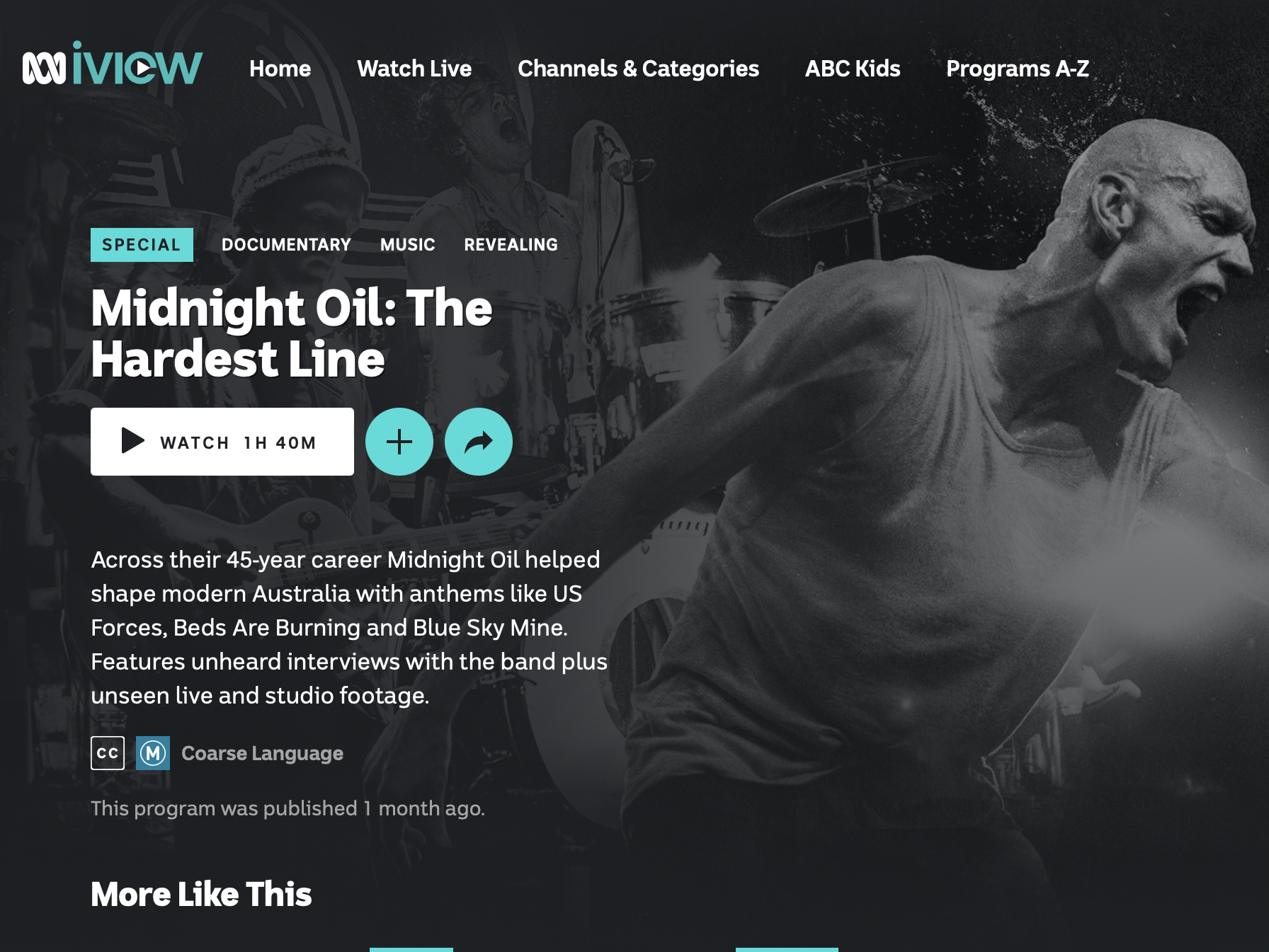
Midnight Oil: The Hardest Line (2022)
Music from Australia:
Beds Are Burning (1987)
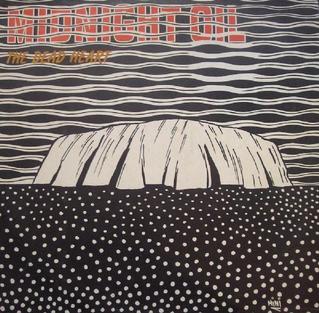
The Dead Heart (1986)
Short Memory (1982)
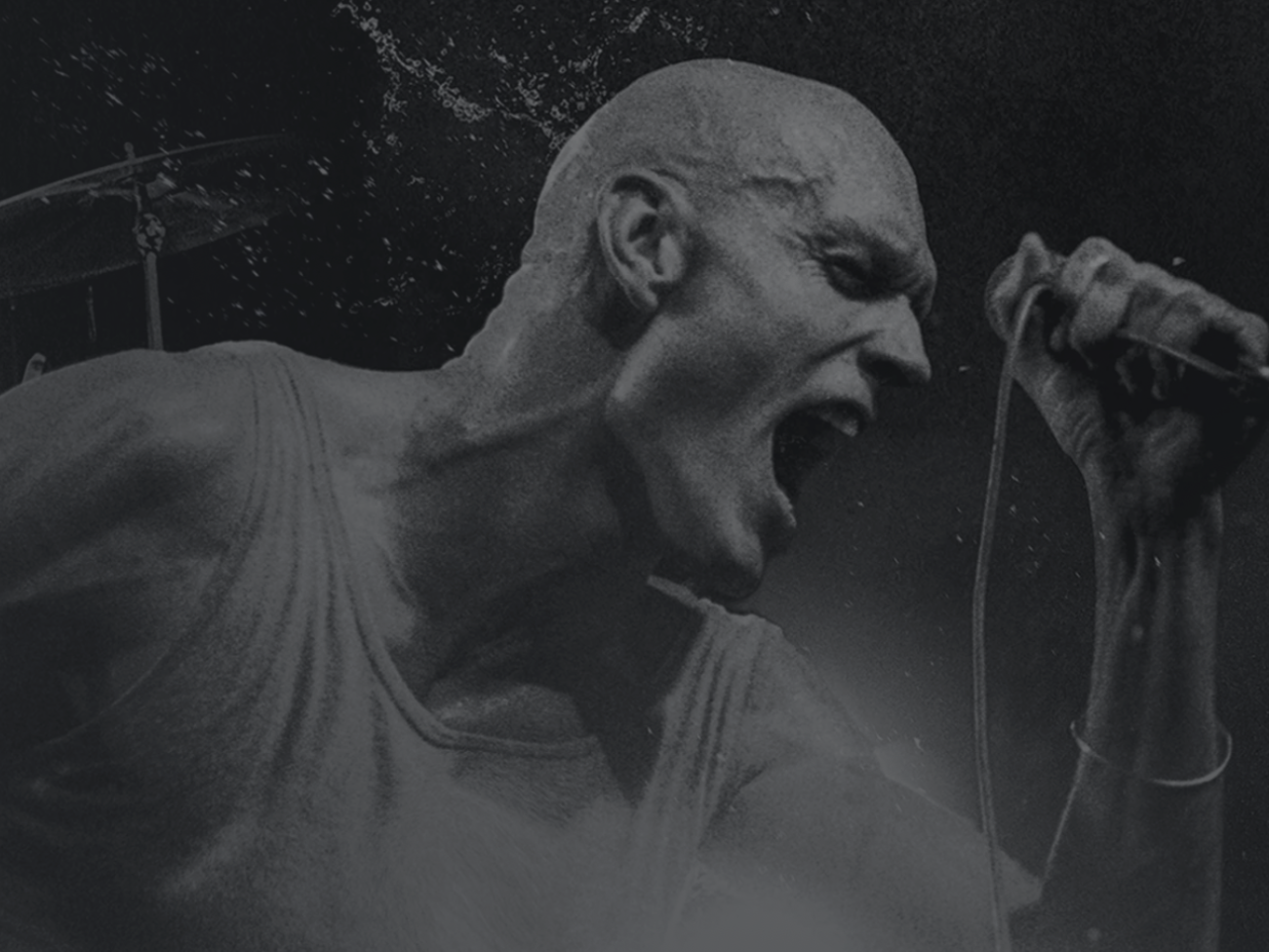
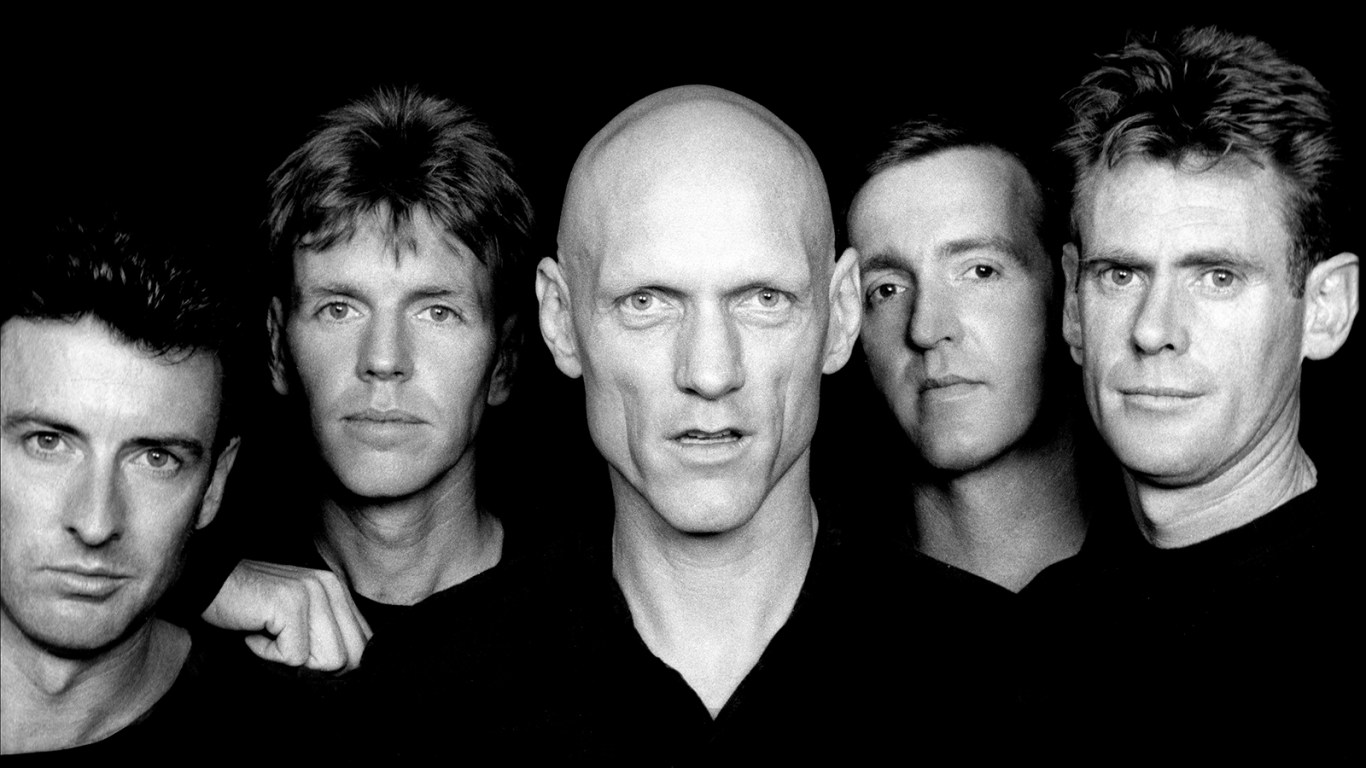

Midnight Oil on Wikipedia
Midnight Oil on midnightoil.com
We don’t serve your country
Don’t serve your king
Know your custom don’t speak your tongue
White man came took everyone
We don’t serve your country
Don’t serve your king
White man listen to the songs we sing
White man came took everything
We carry in our hearts the true country
And that cannot be stolen
We follow in the steps of our ancestry
And that cannot be broken
We don’t serve your country
Don’t serve your king
Know your custom don’t speak your tongue
White man came took everyone
The Dead Heart (1986)
James Moginie, Martin Rotsey, Peter Garrett, Peter Gifford, Robert Hirst
Out where the river broke
The bloodwood and the desert oak
Holden wrecks and boiling diesels
Steam at forty-five degrees
The time has come to say “Fair’s fair”
To pay the rent, to pay our share
The time has come, a fact’s a fact
It belongs to them, let’s give it back
How can we dance when our earth is turning?
How do we sleep while our beds are burning?
How can we dance when our earth is turning?
How do we sleep while our beds are burning?
The time has come to say “Fair’s fair”
To pay the rent now, to pay our share
Four wheels scare the cockatoos
From Kintore, east to Yuendemu
The Western Desert lives and breathes
In forty-five degrees
The time has come to say “Fair’s fair”
To pay the rent, to pay our share
The time has come, a fact’s a fact
It belongs to them, let’s give it back
How can we dance when our earth is turning?
How do we sleep while our beds are burning?
How can we dance when our earth is turning?
How do we sleep while our beds are burning?
The time has come to say “Fair’s fair”
To pay the rent now, to pay our share
The time has come, a fact’s a fact
It belongs to them, we’re gonna give it back
How can we dance when our earth is turning?
How do we sleep while our beds are burning?
Beds Are Burning (1987)
James Moginie, Martin Rotsey, Peter Garrett, Peter Gifford, Robert Hirst
Conquistador of Mexico
The Zulu and the Navaho
The Belgians in the Congo, short memory
Plantation in Virginia
The Raj in British India
The deadline in South Africa, short memory
The story of El Salvador
The silence of Hiroshima
Destruction of Cambodia, short memory
Short memory, must have a short memory
Short memory, must have a short memory
The sight of hotels by the Nile
The designated Hilton style
With running water specially bought, short memory
A smallish man, Afghanistan
A watch dog in a nervous land
They’re only there to lend a hand, short memory
The friendly five, a dusty smile
Wake up in sweat at dead of night
And in the tents new rifles, hey, short memory
Short memory, must have a short memory
Short memory, must have a short memory
The short memory, must have a short memory
Short memory, must have a –
Short memory, must have a –
If you read the history books
You’ll see the same things happen again and again (short memory, must have a -)
Repeat, repeat short memory they’ve all got it (short memory)
When are we going to play it again? (Short memory, must have a -)
Got a short, got a short, got a short, got a short (short memory)
They’ve got a short, must have a short, they’ve got a short (short memory, must have a -)
Short memory, must have a –
Short Memory (1982)
James Moginie, Peter Garrett, Robert Hirst

Art from Japan:
Yayoi Kusama

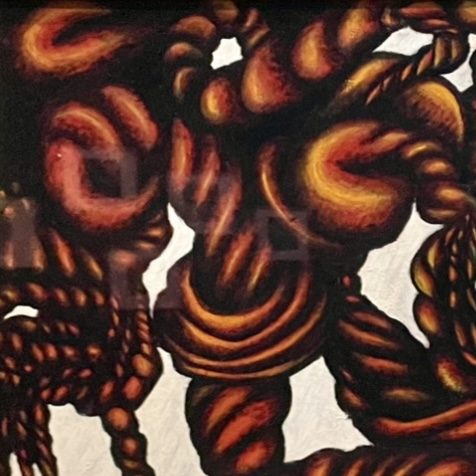
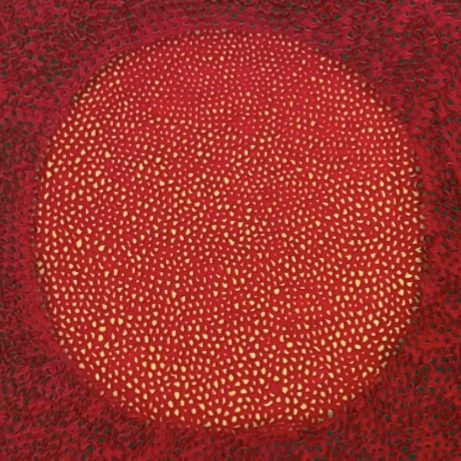
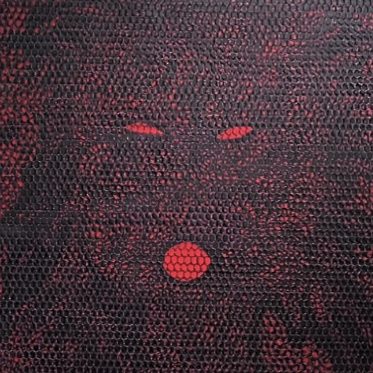
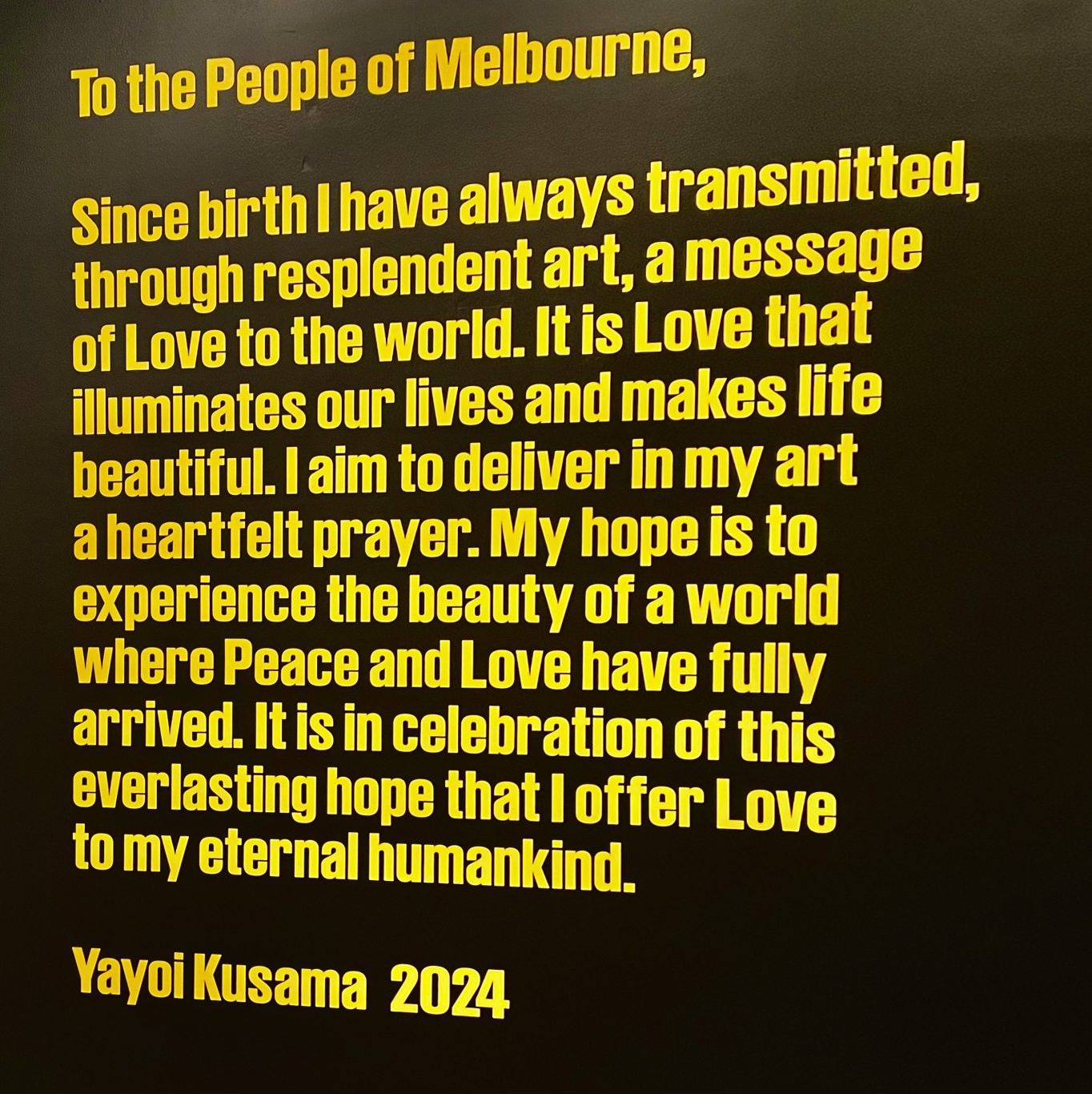
Yayoi Kusama, NGV International, until 21 April 2025
“With around 200 artworks on display, Yayoi Kusama is a large exhibition that covers most of the ground floor of NGV International.
A number of Yayoi Kusama artworks are on display in the public areas outside the ticketed exhibition area. These are free to visit and don’t require a ticket.
The ticketed exhibition areas are split into two parts. Part 1 is on your right as you enter from the Waterwall entrance on St Kilda Road. The entrance to Part 1 is past the NGV Garden Restaurant. The entrance to Part 2 is next to the Gallery Kitchen cafe. See page 11 for the Sensory Map for more information.
You can take a break in between the two parts of the exhibition and relax in the Great Hall, NGV Garden or Gallery Kitchen. It is recommended that you enter Part 2 by 4pm, to allow yourself an hour to see it before the Gallery closes at 5pm.
The exhibition follows a set path. “—NGV
More info: Yayoi Kusama Exhibition Access Guide


Yayoi Kusama on Wikipedia
Yayoi Kusama on Yayoi-Kusama.jp