“At the cellular level (that means You),
how much are you willing to sacrifice for
truth?” —Maria Ressa, Journalist
Yoorrook
COMMUNITY TRUTH-TELLING
The Yoorrook Justice Commission in Victoria was Australia’s first formal truth-telling inquiry into historic and ongoing social, economic, institutional, and systemic injustice against Australia’s First Peoples since colonisation.

Investigating Australia’s hidden history | Four Corners Documentary
Supporting the Yoorrook Justice Commission’s Walk For Truth | Bank Australia
“Walk forward together.” Yoorrook Justice Commissioner Travis Lovett | Croakey Health Media

Yoorrook Justice Commission’s historic Walk For Truth | ABC News 7.30 Report (18 June 2025)

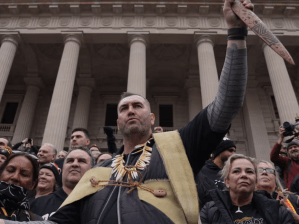
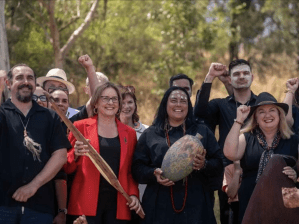
Yoorrook Justice Commission Final Newsletter
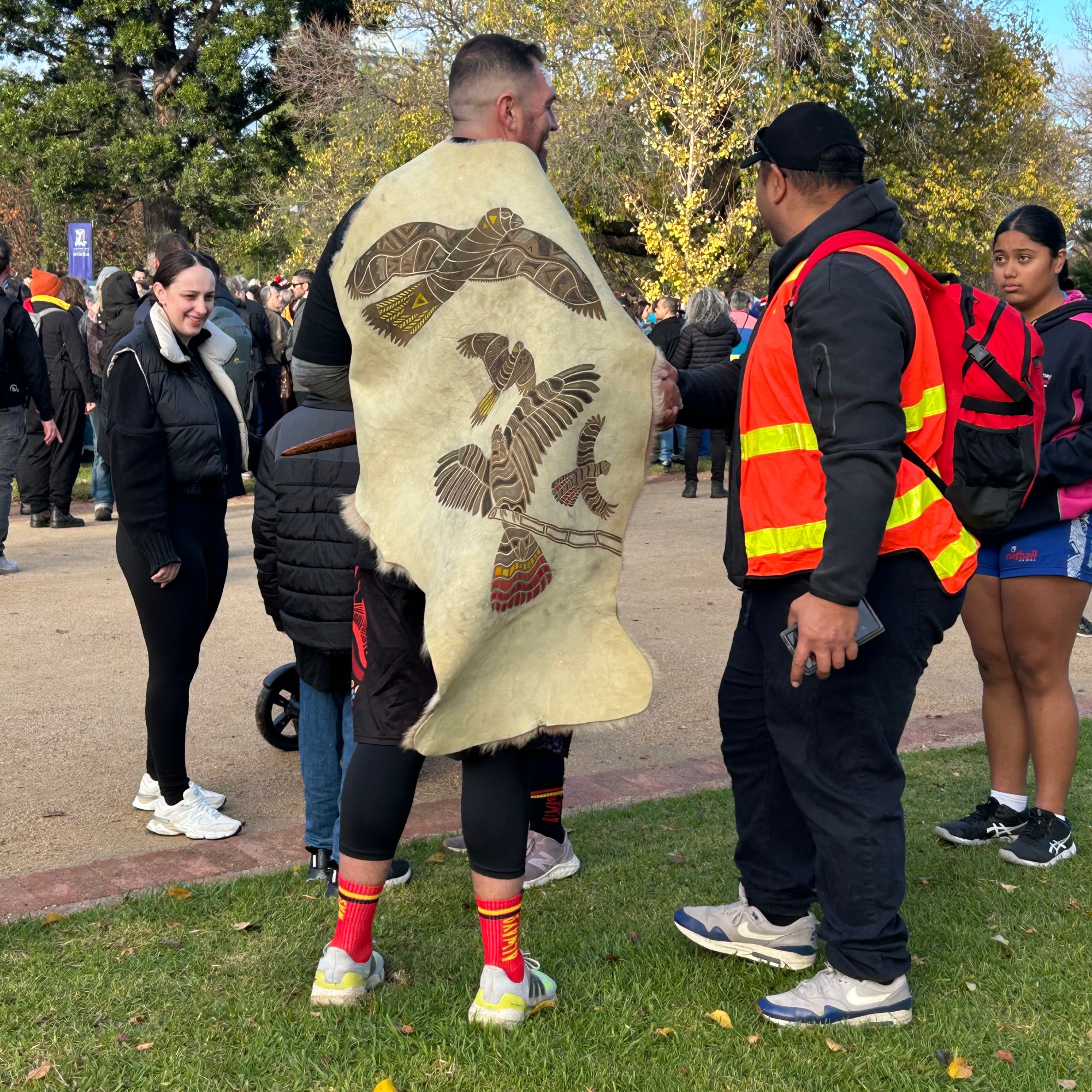
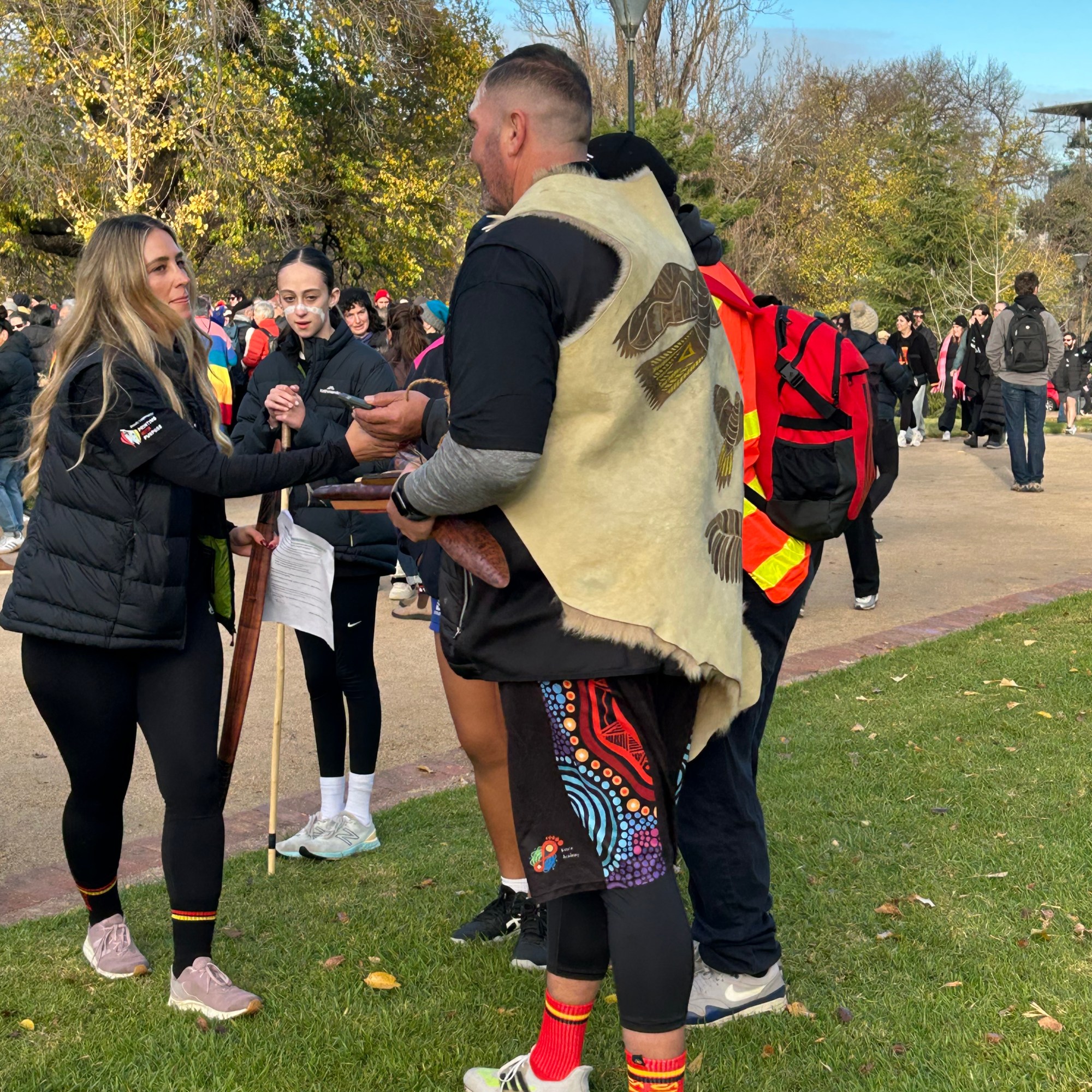
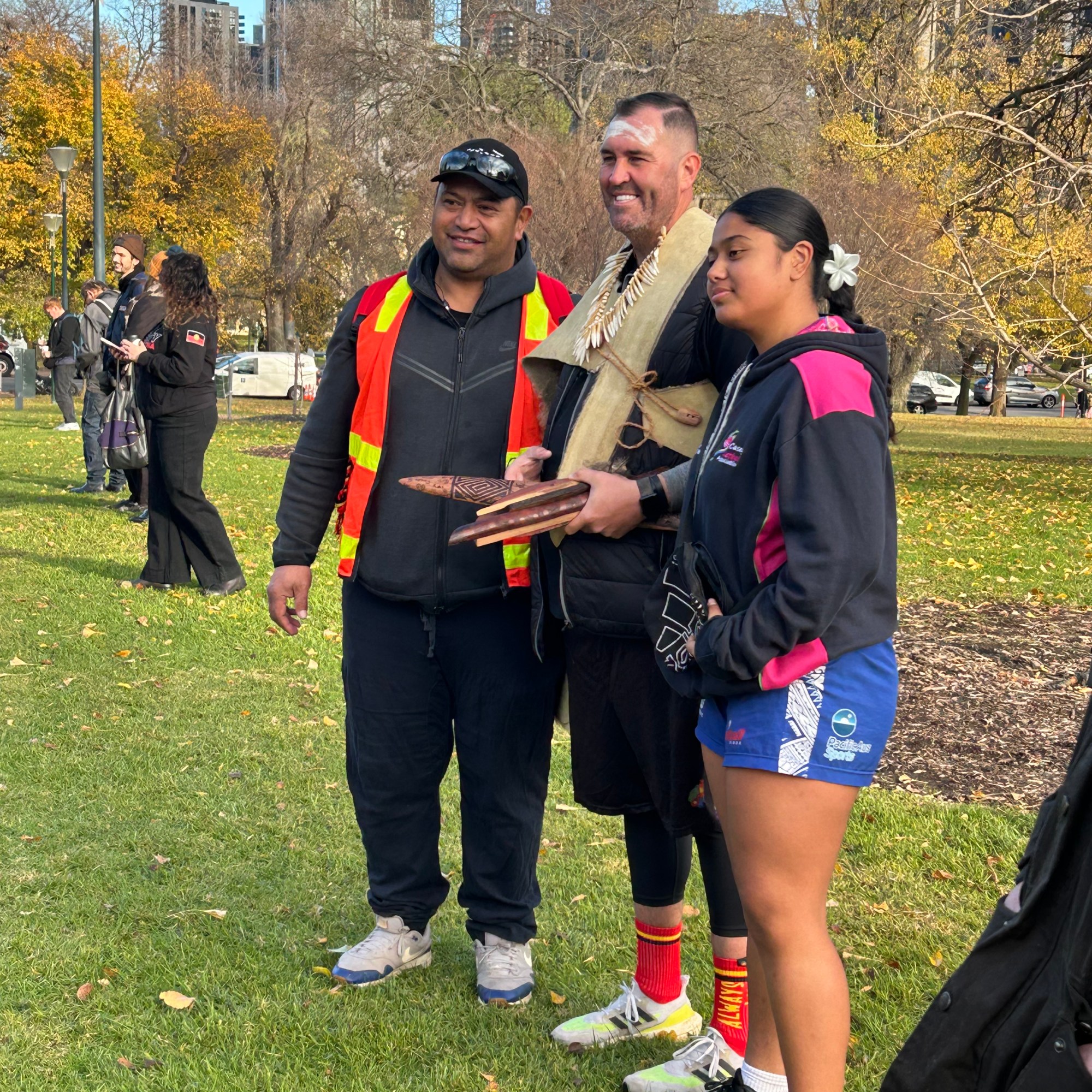
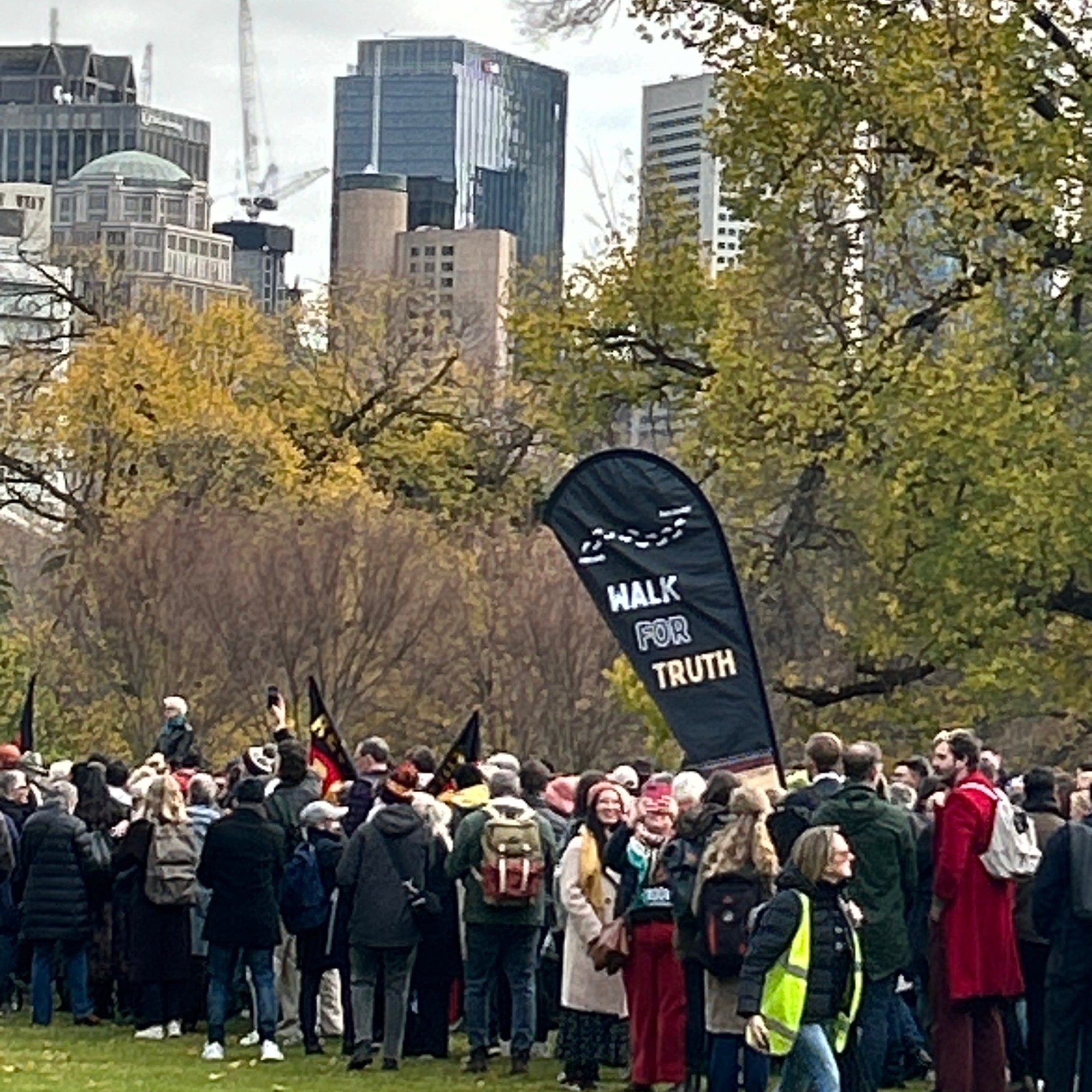
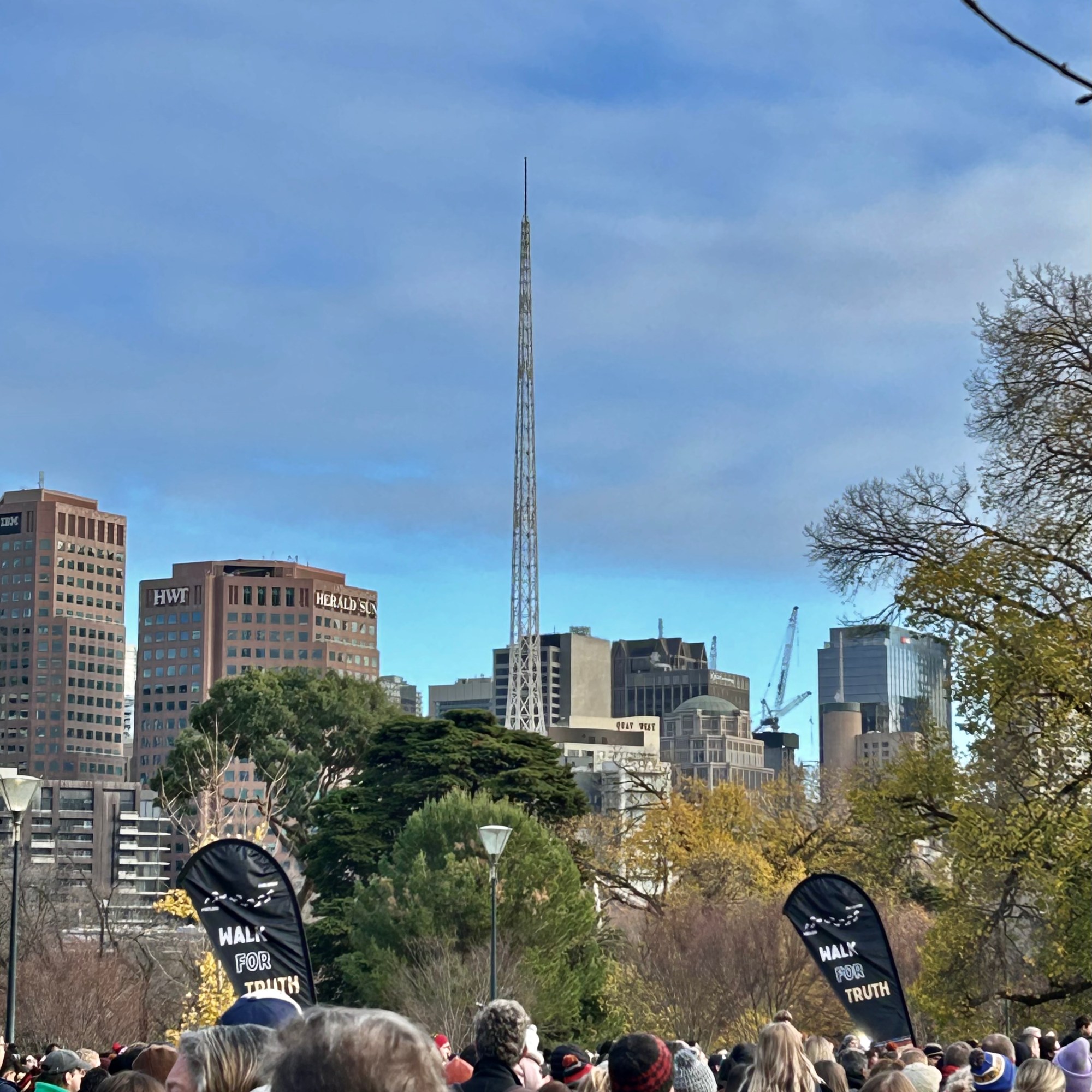
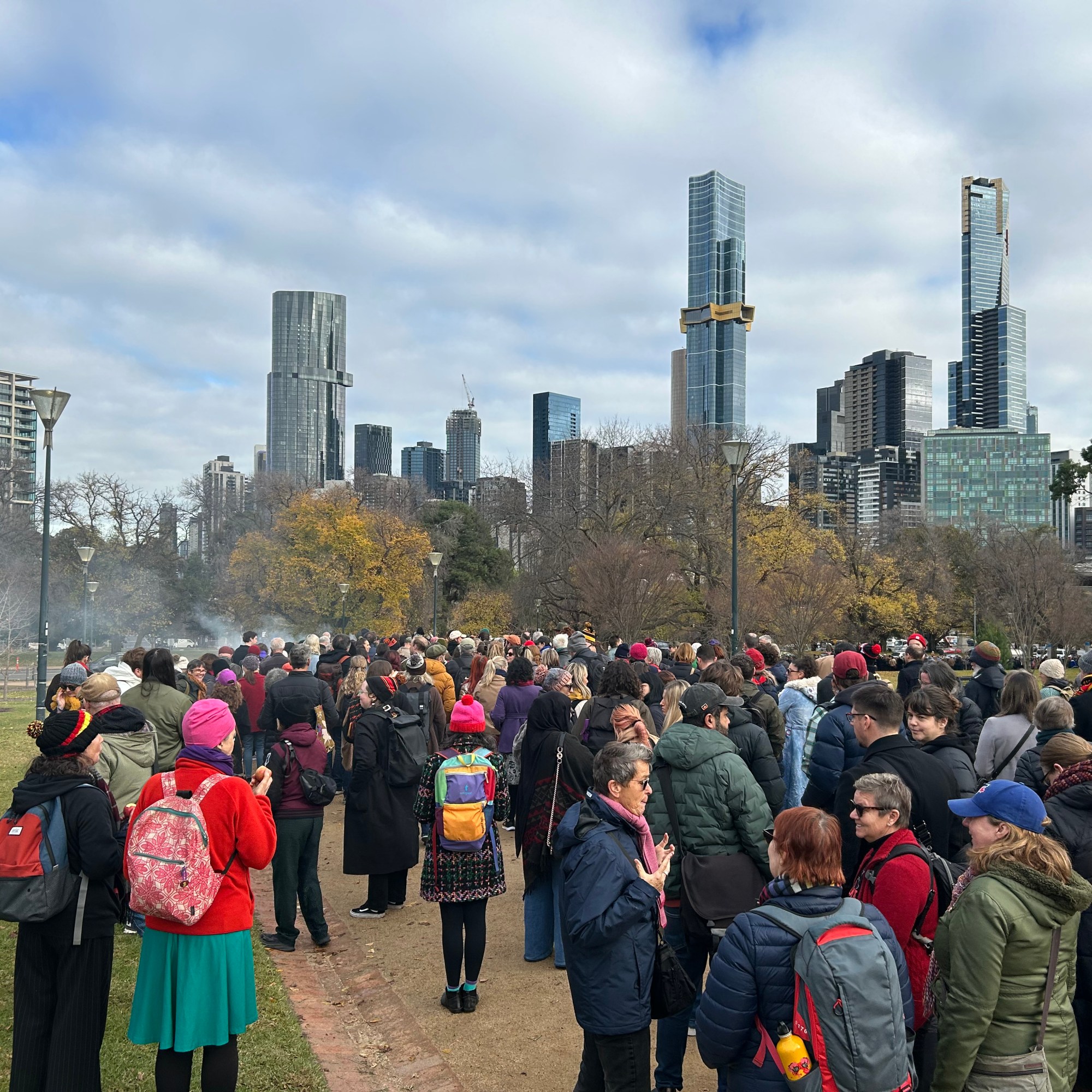
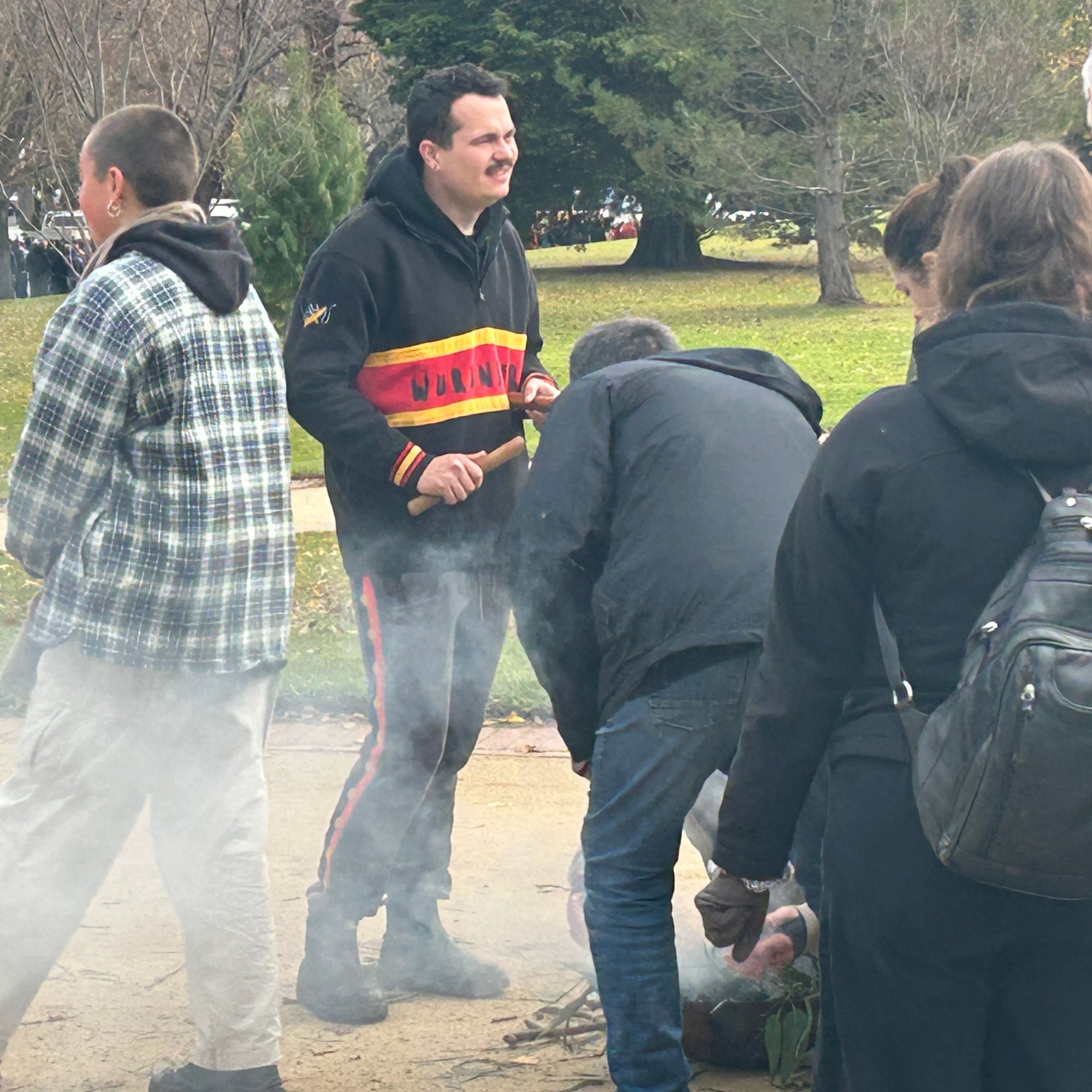
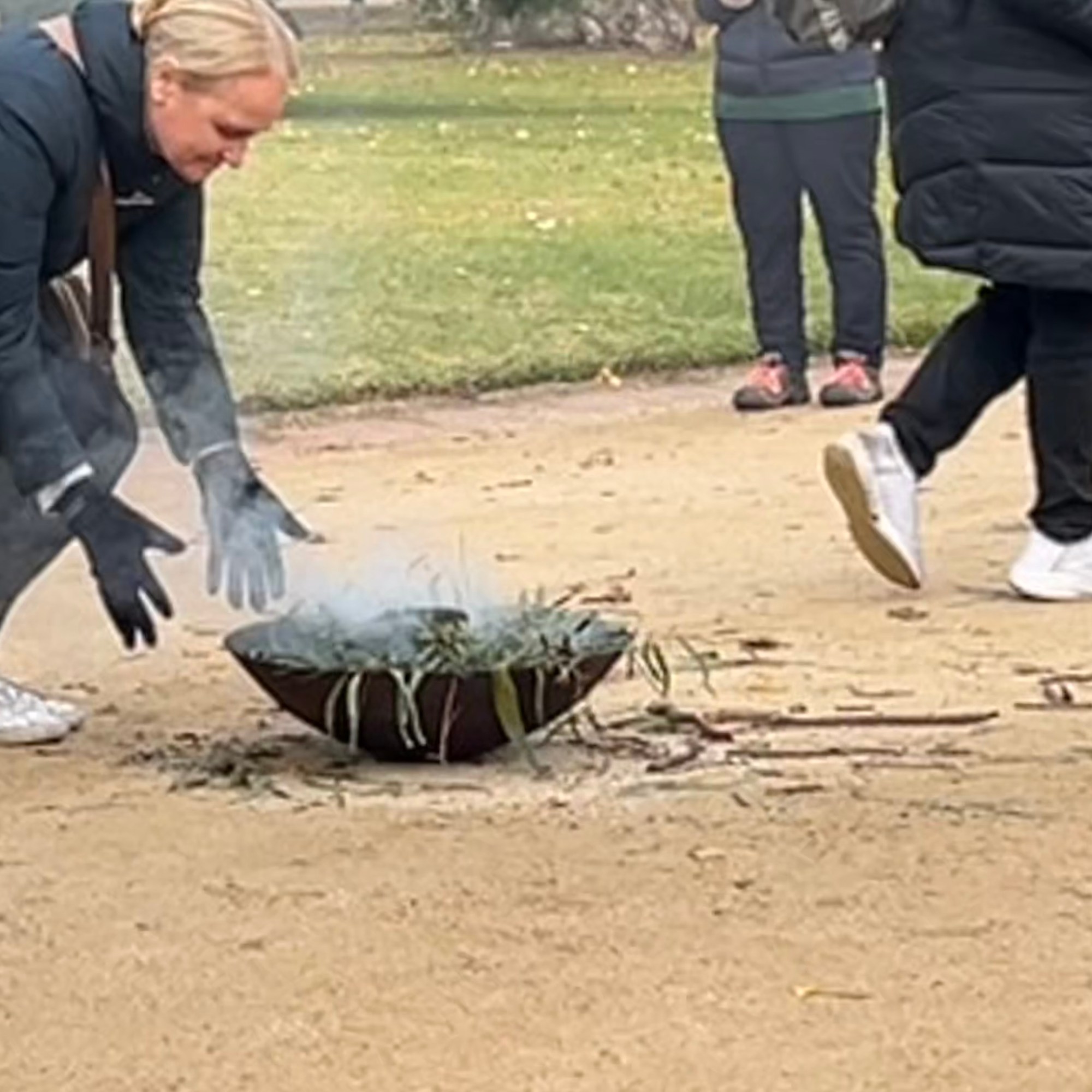
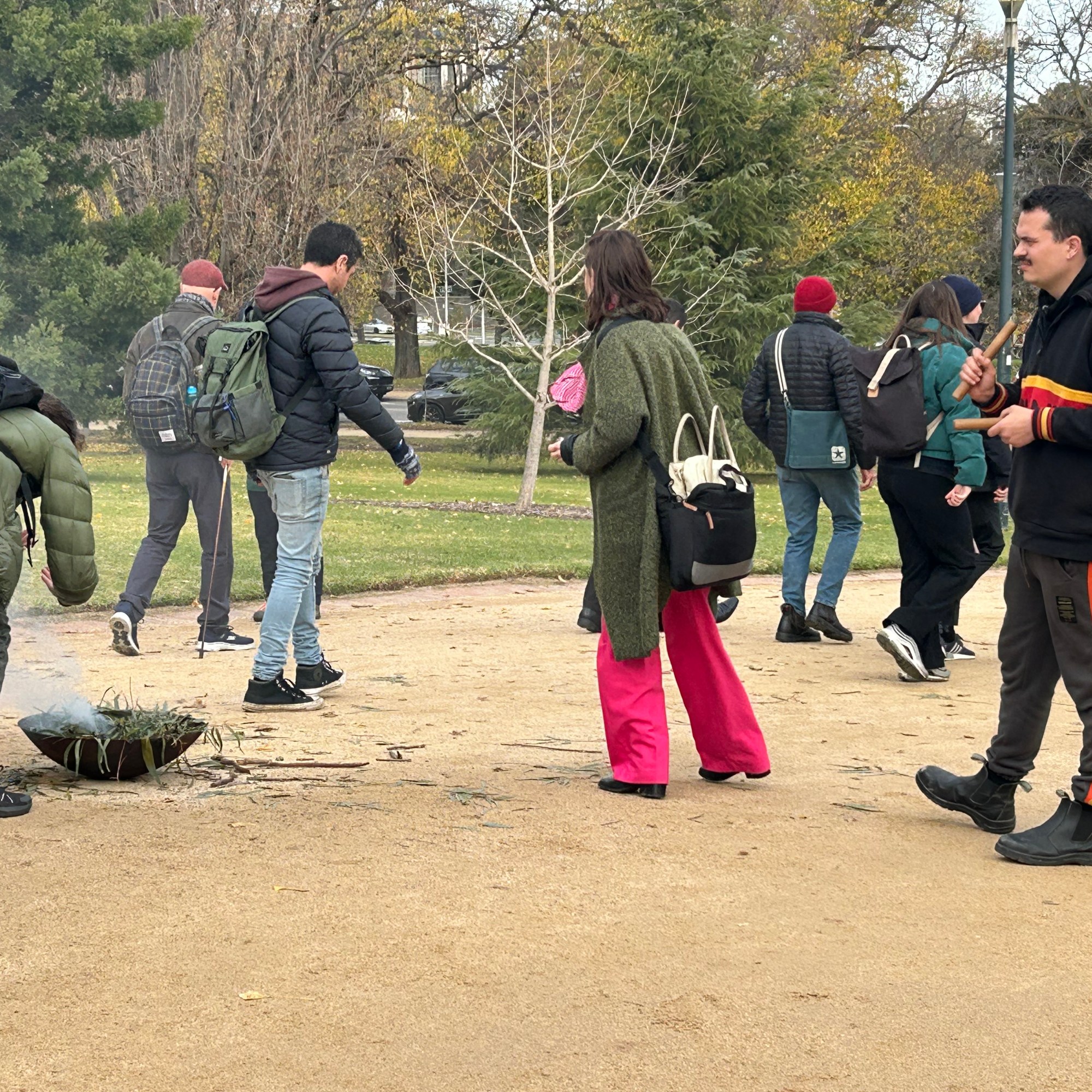
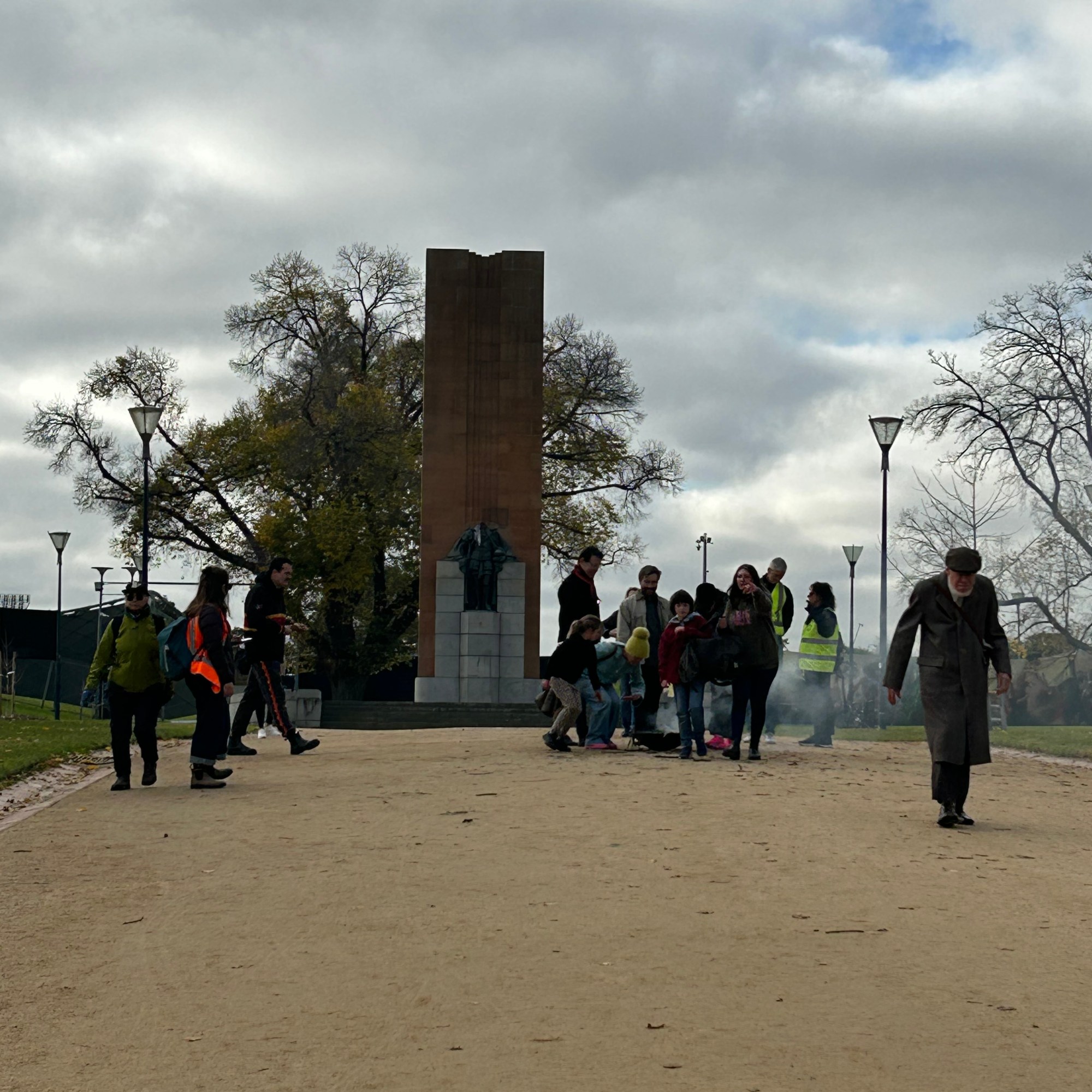
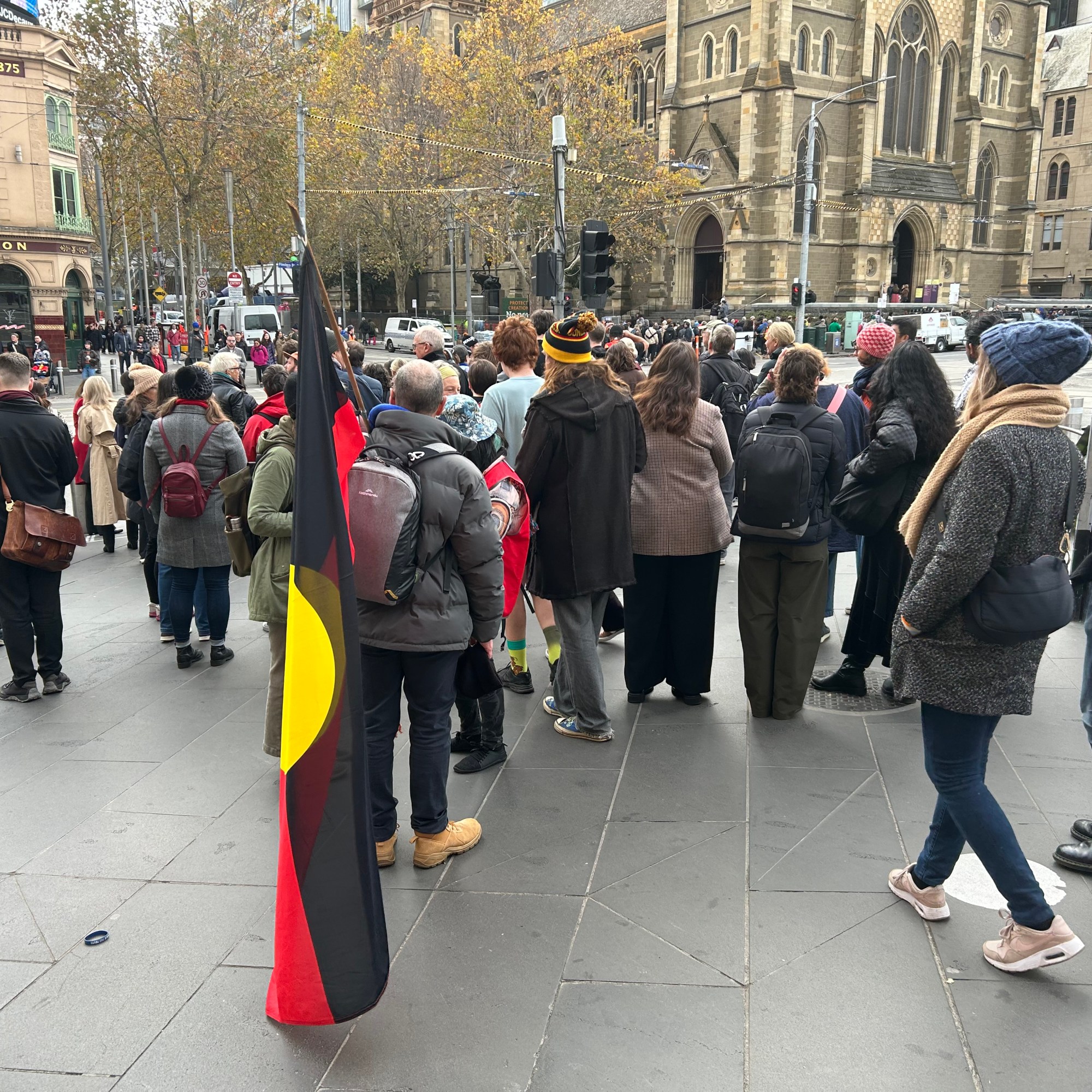
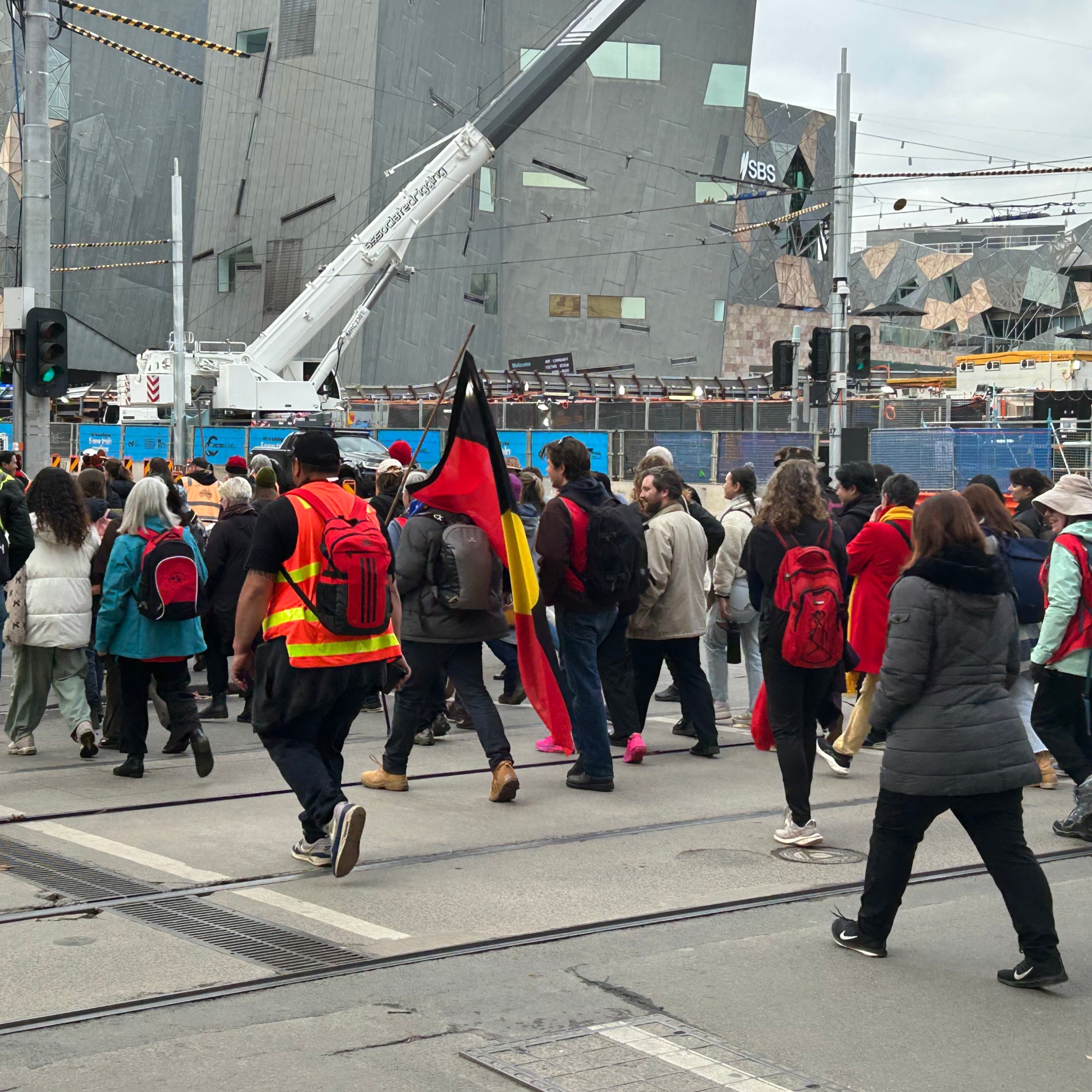
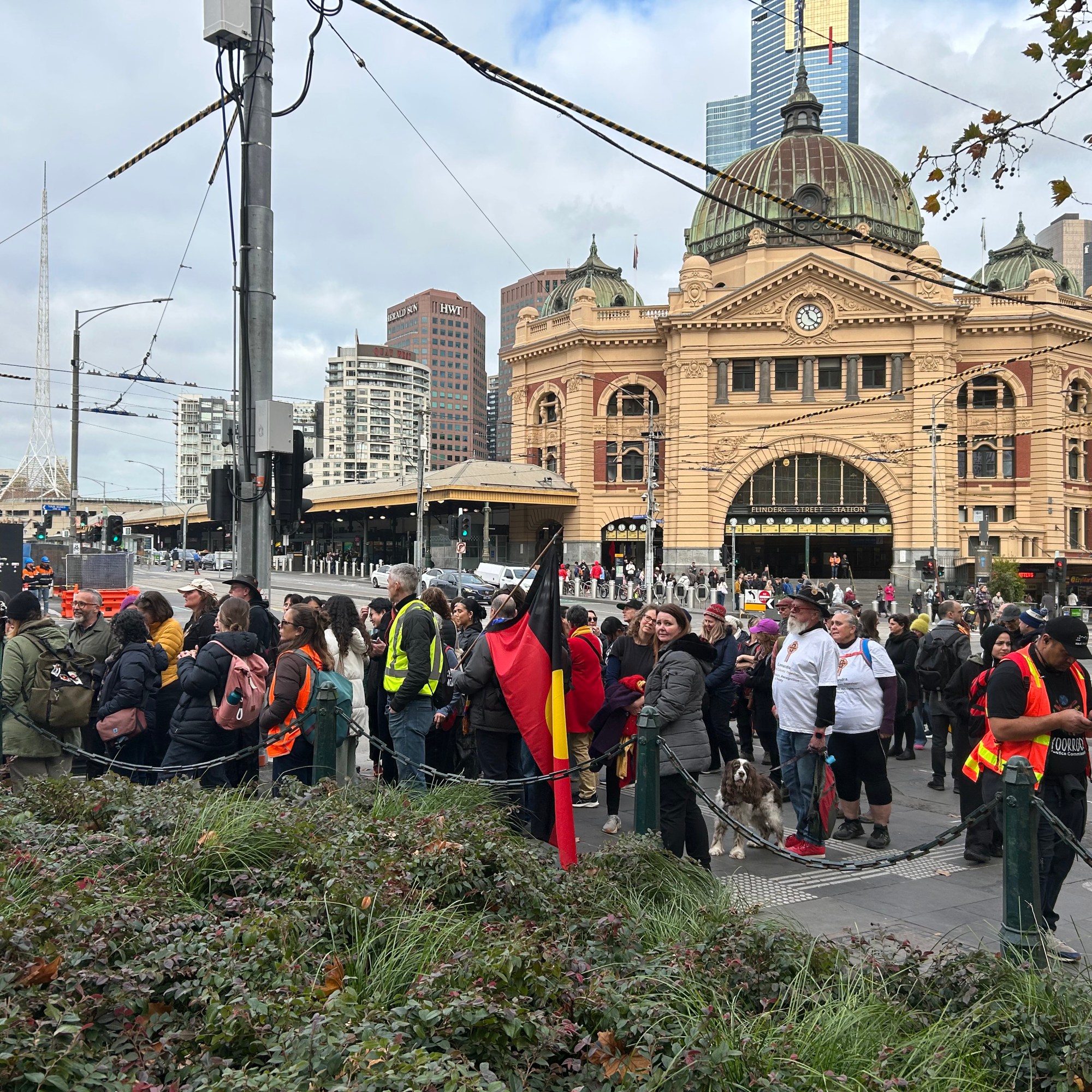
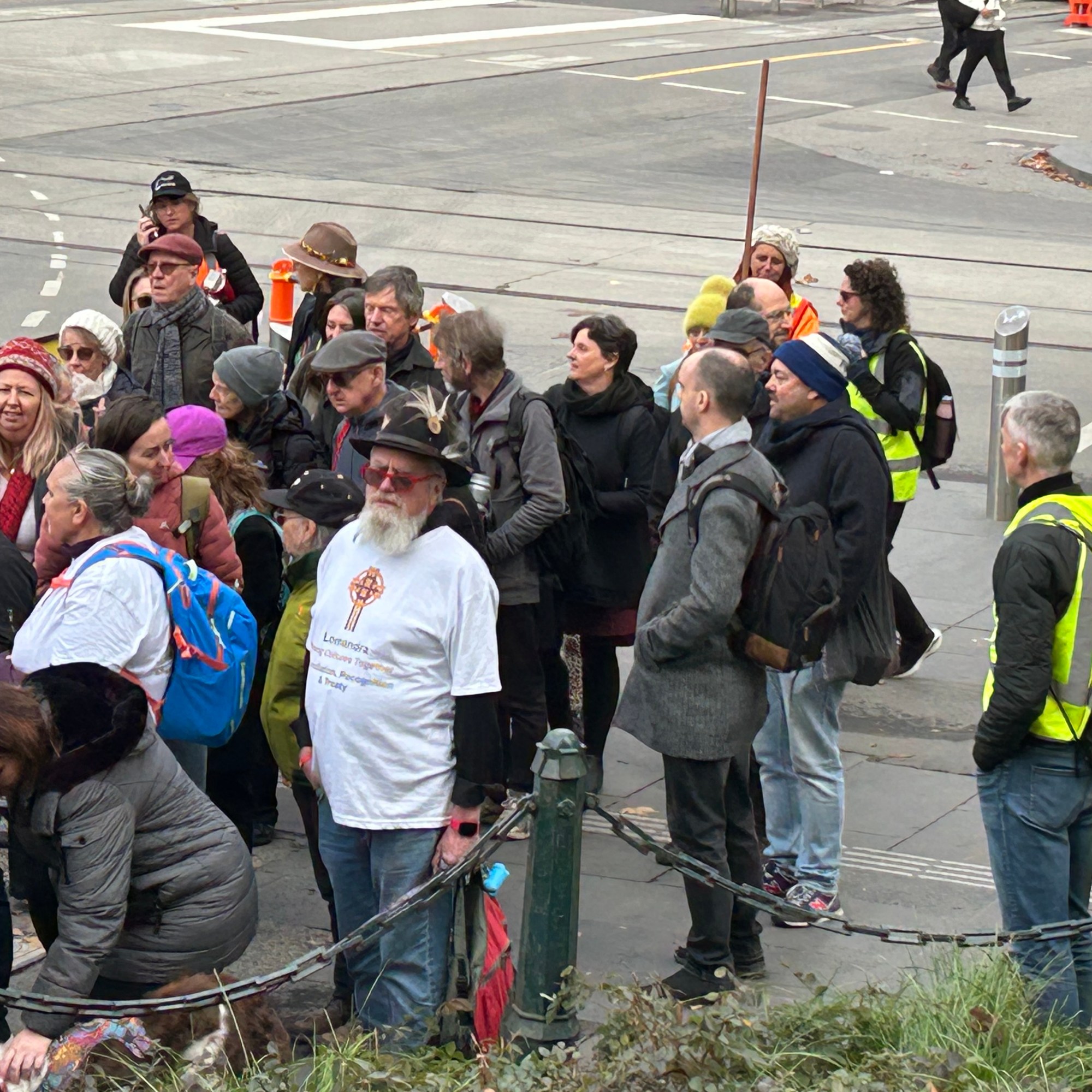
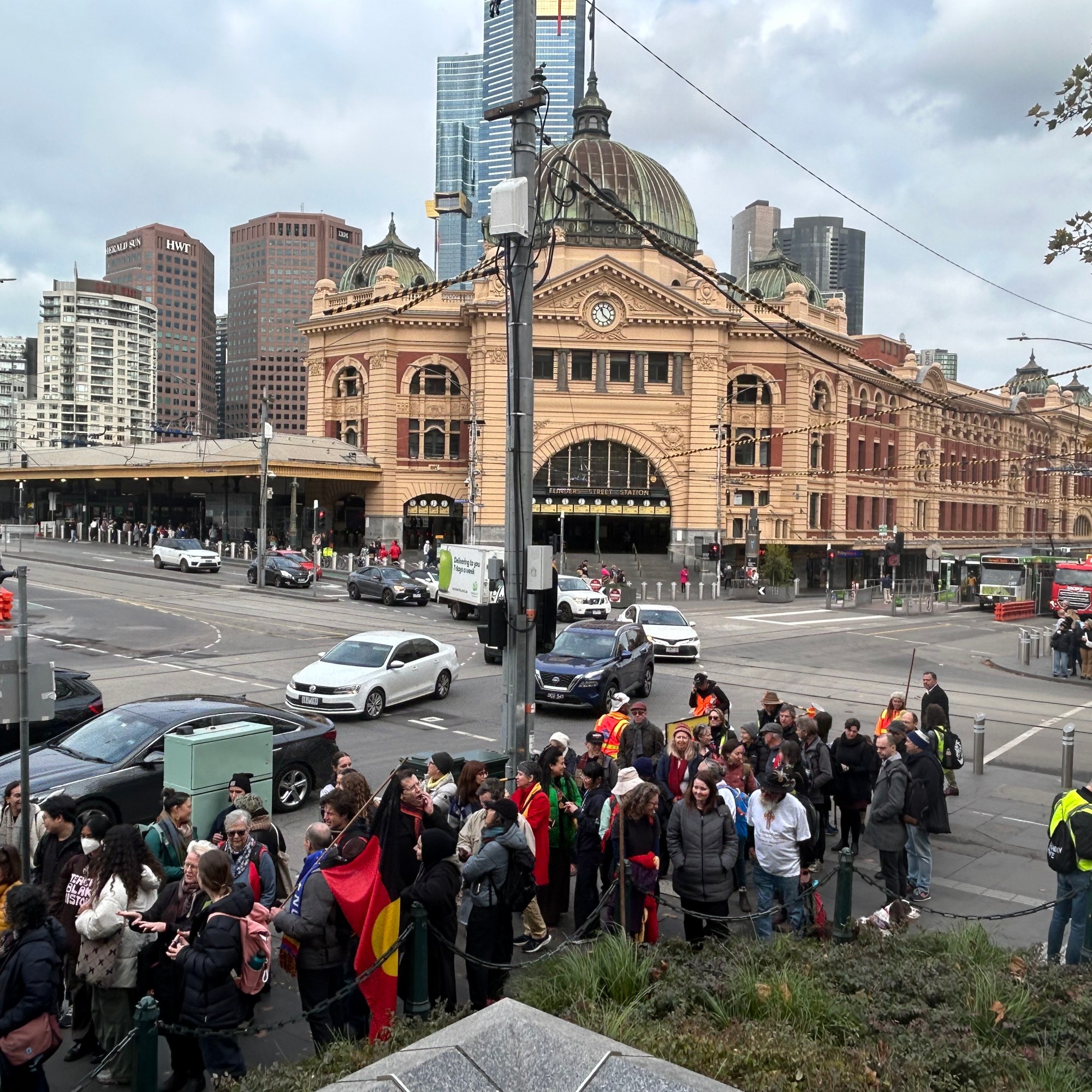
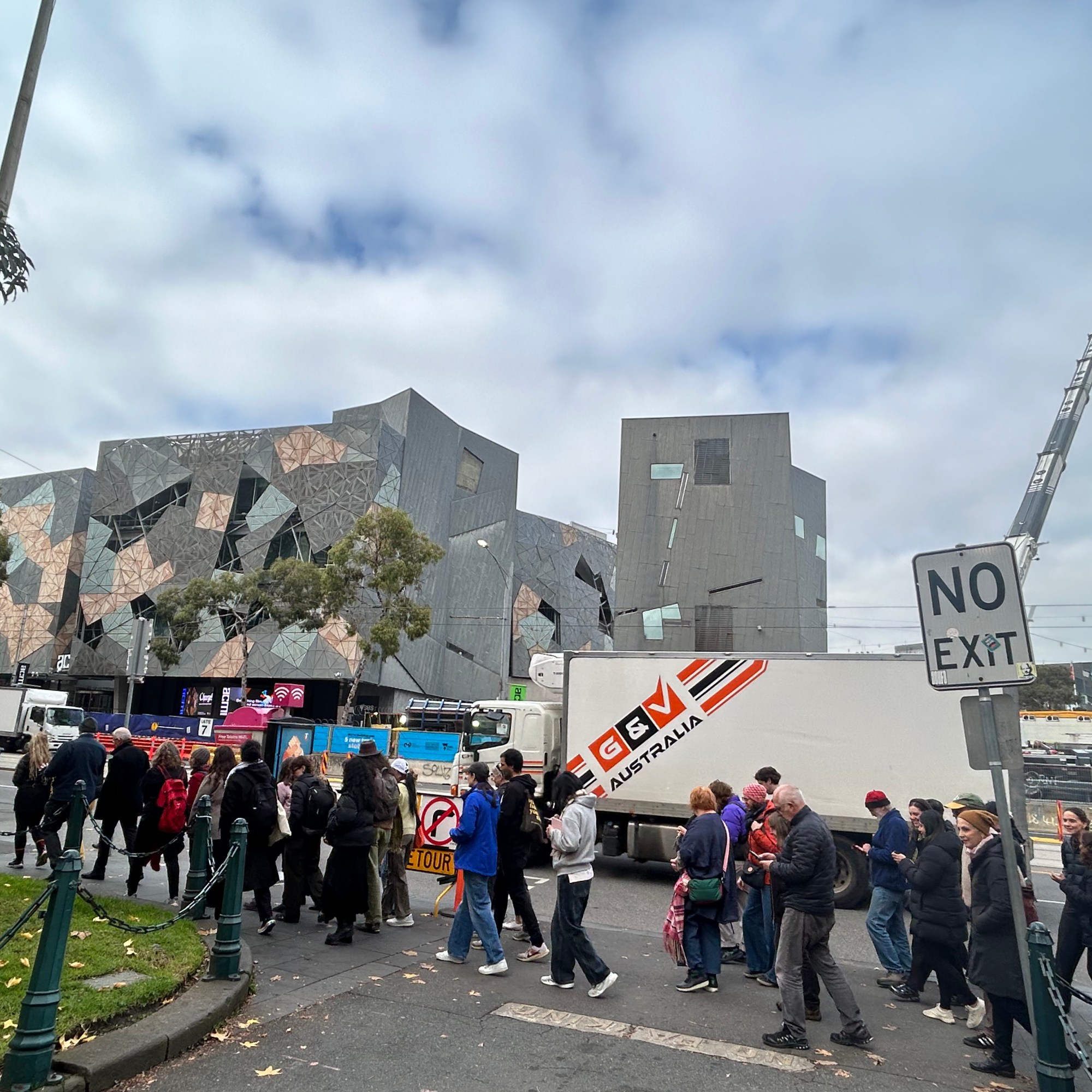
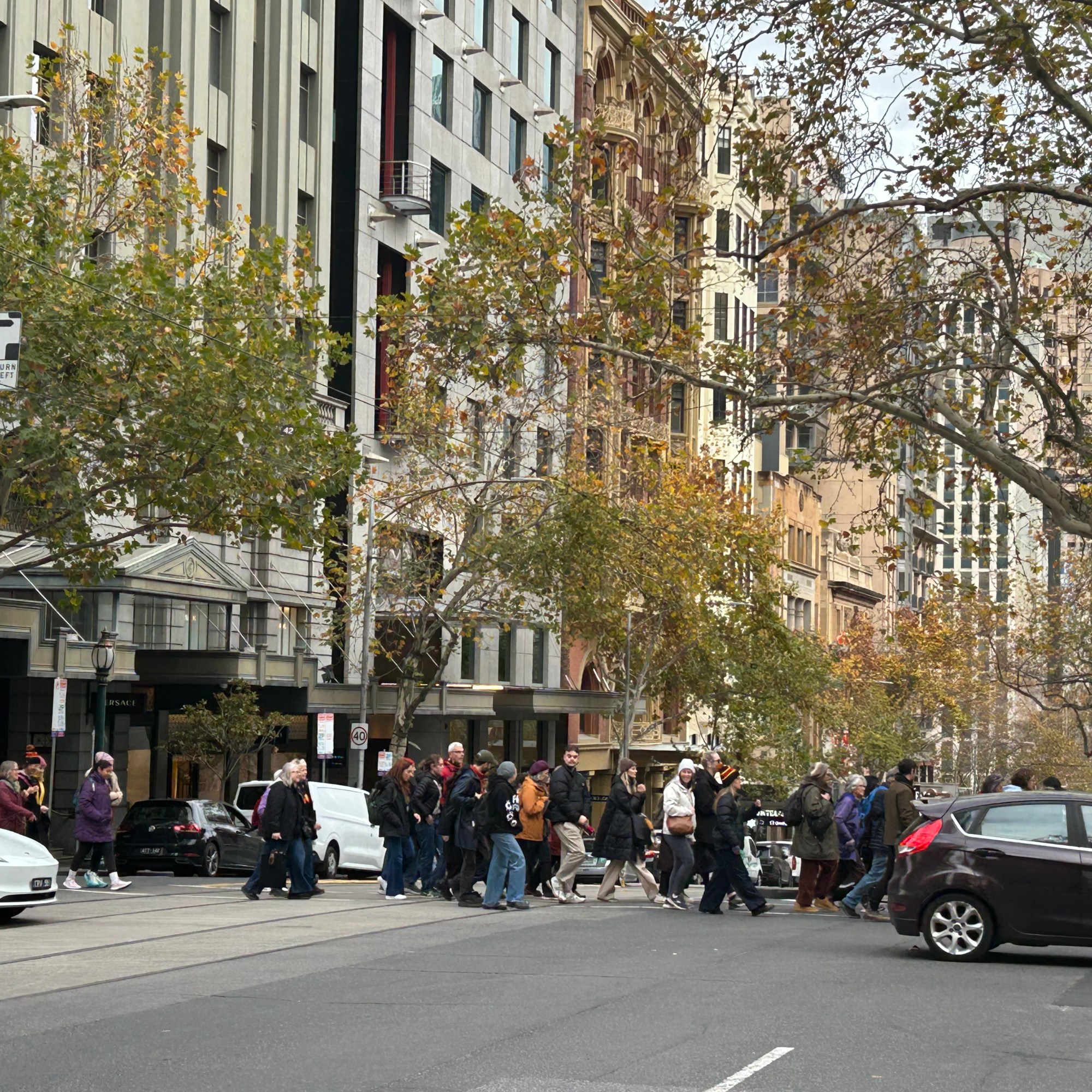
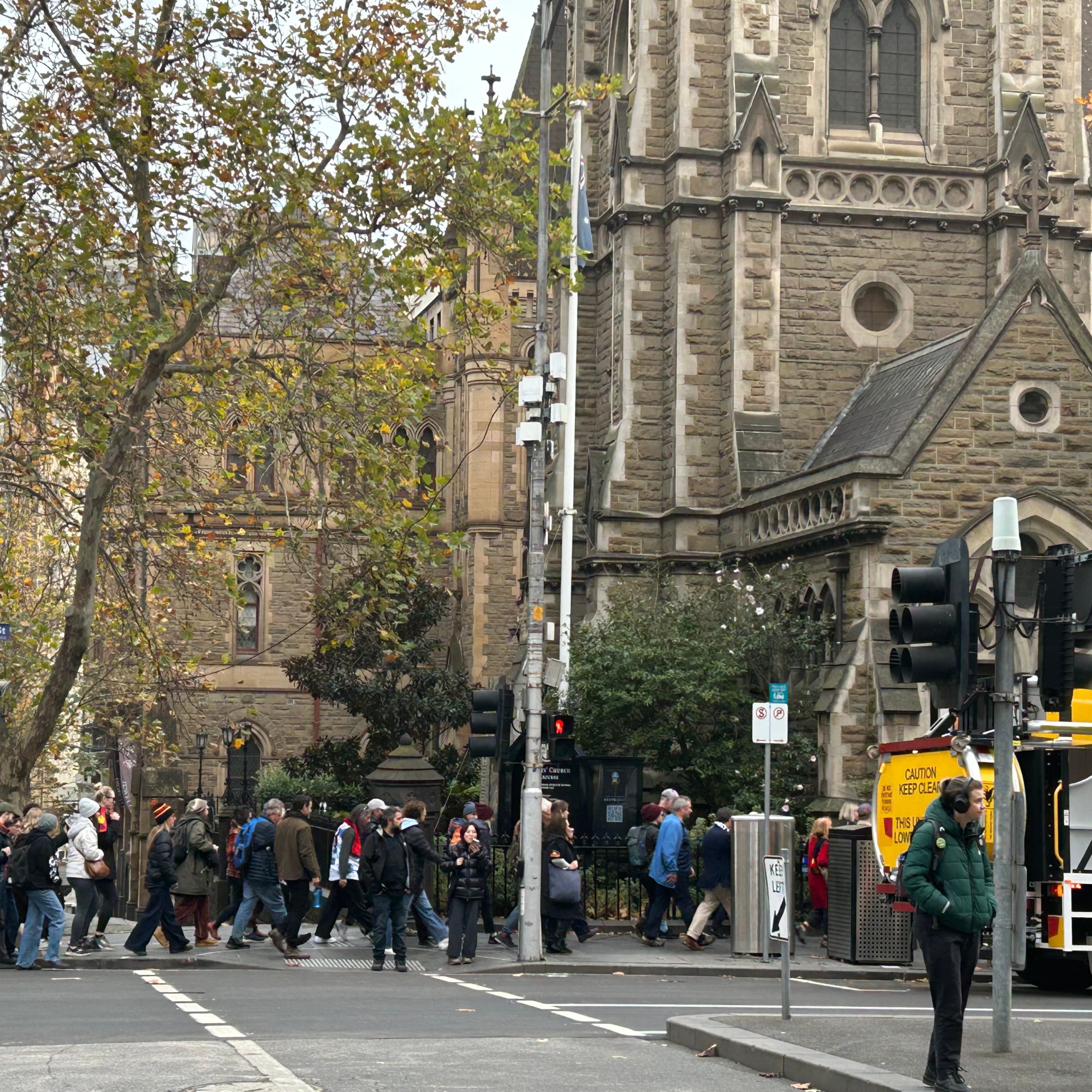
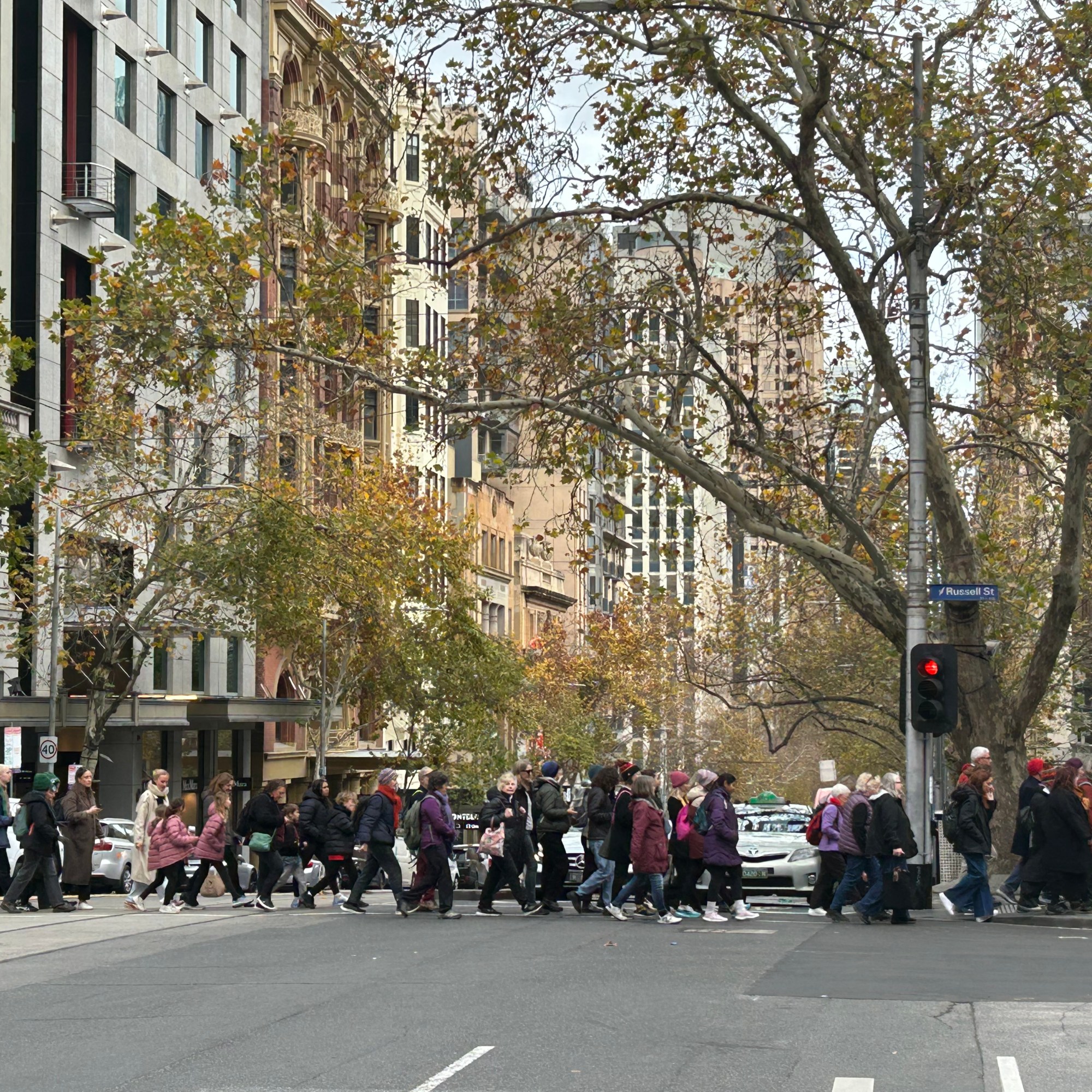
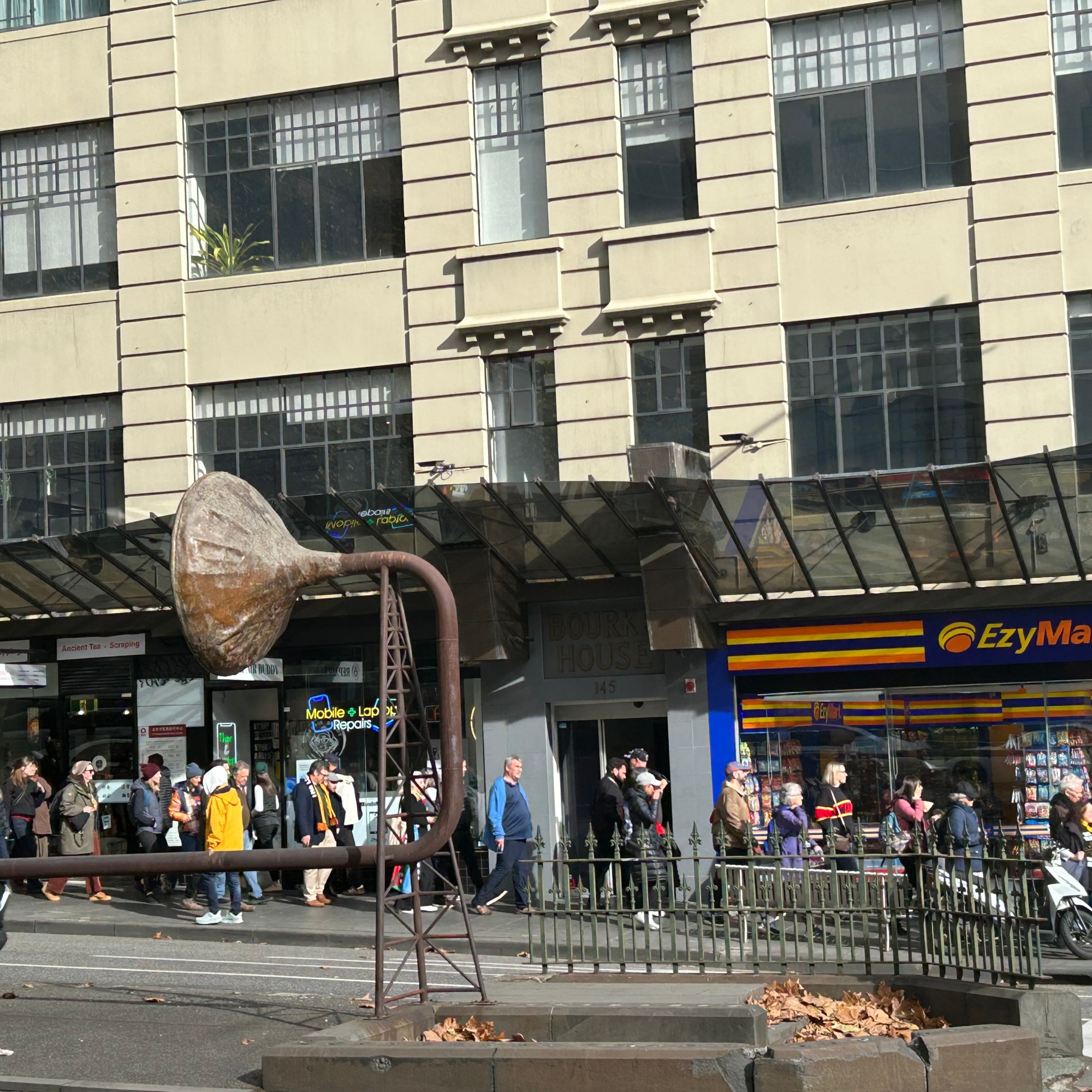
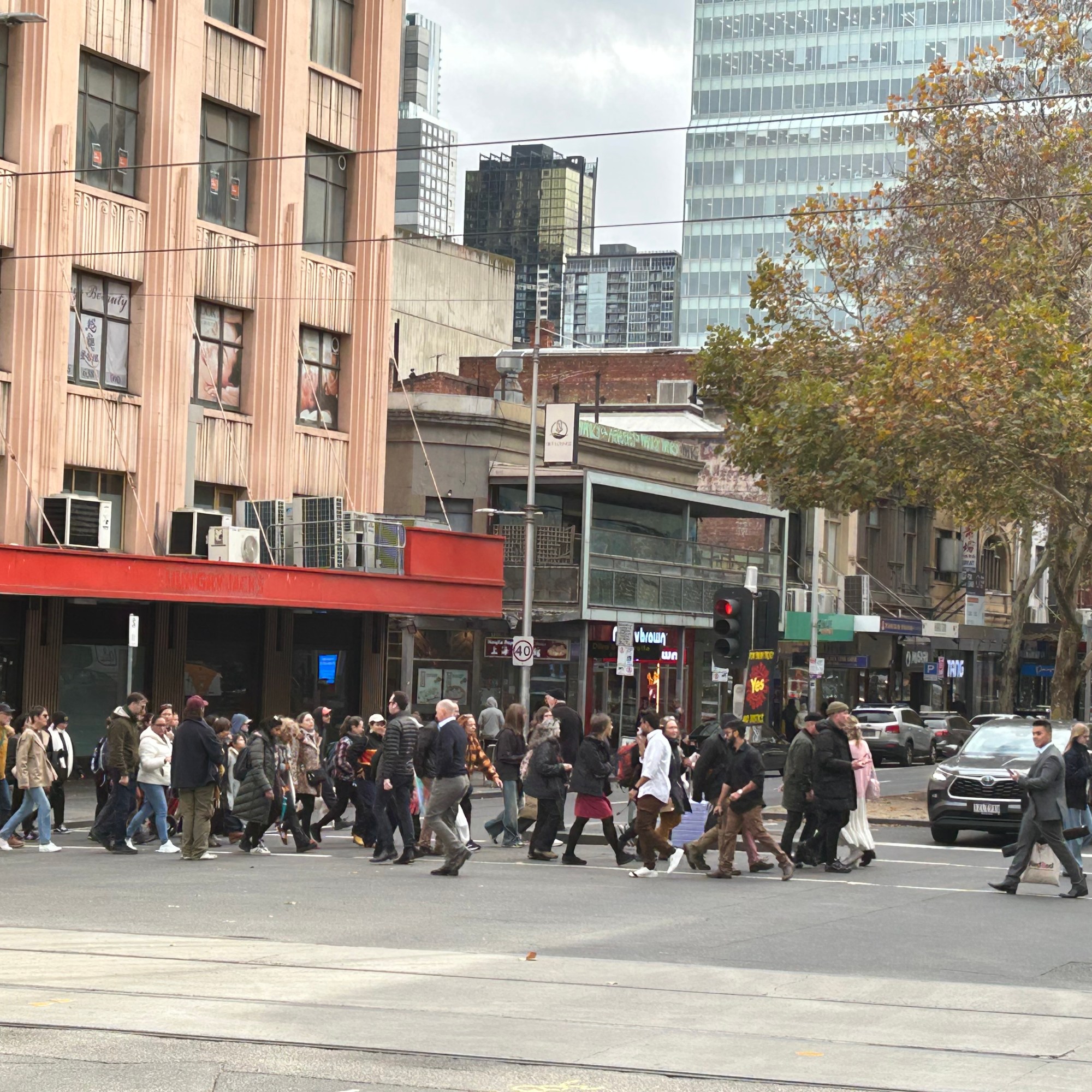
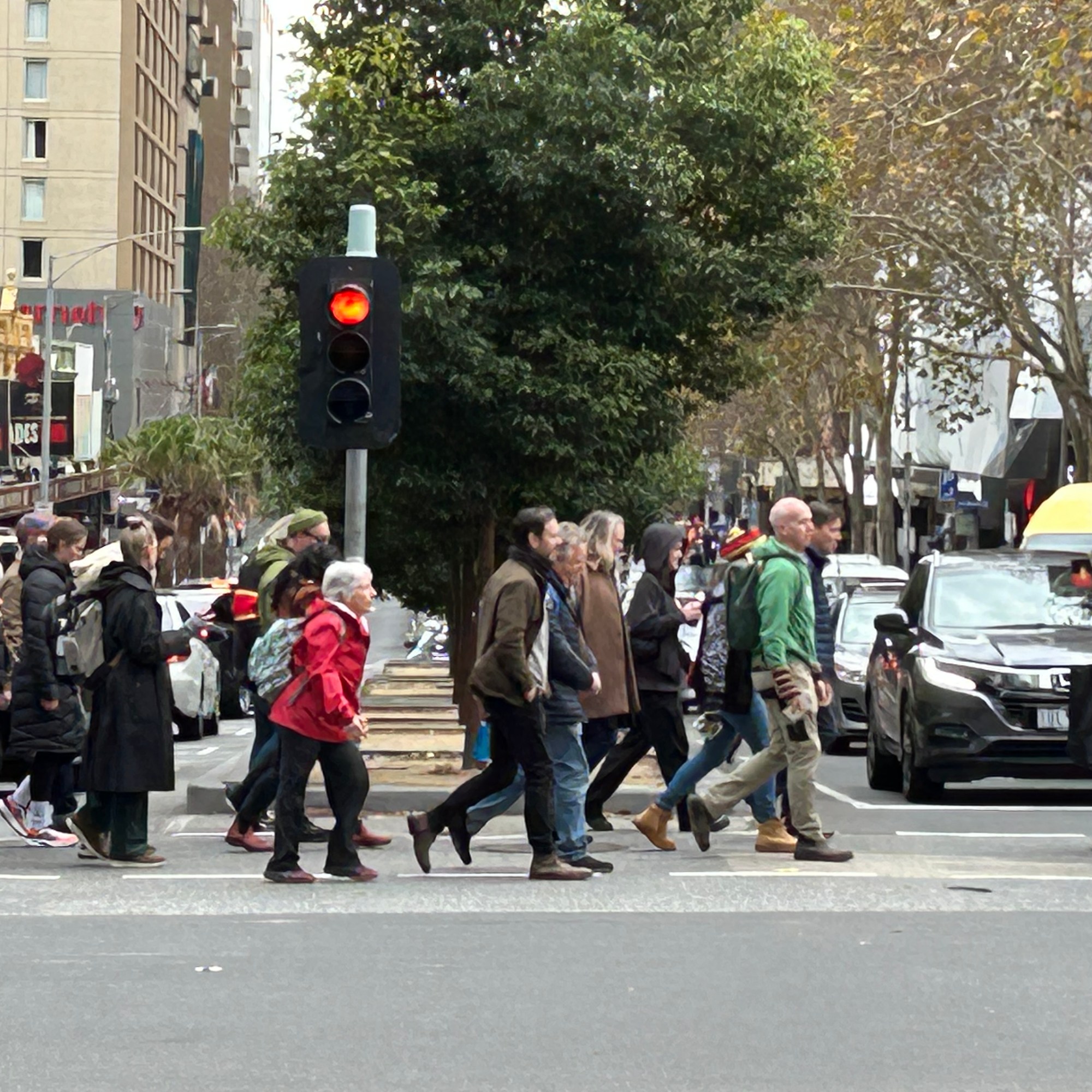
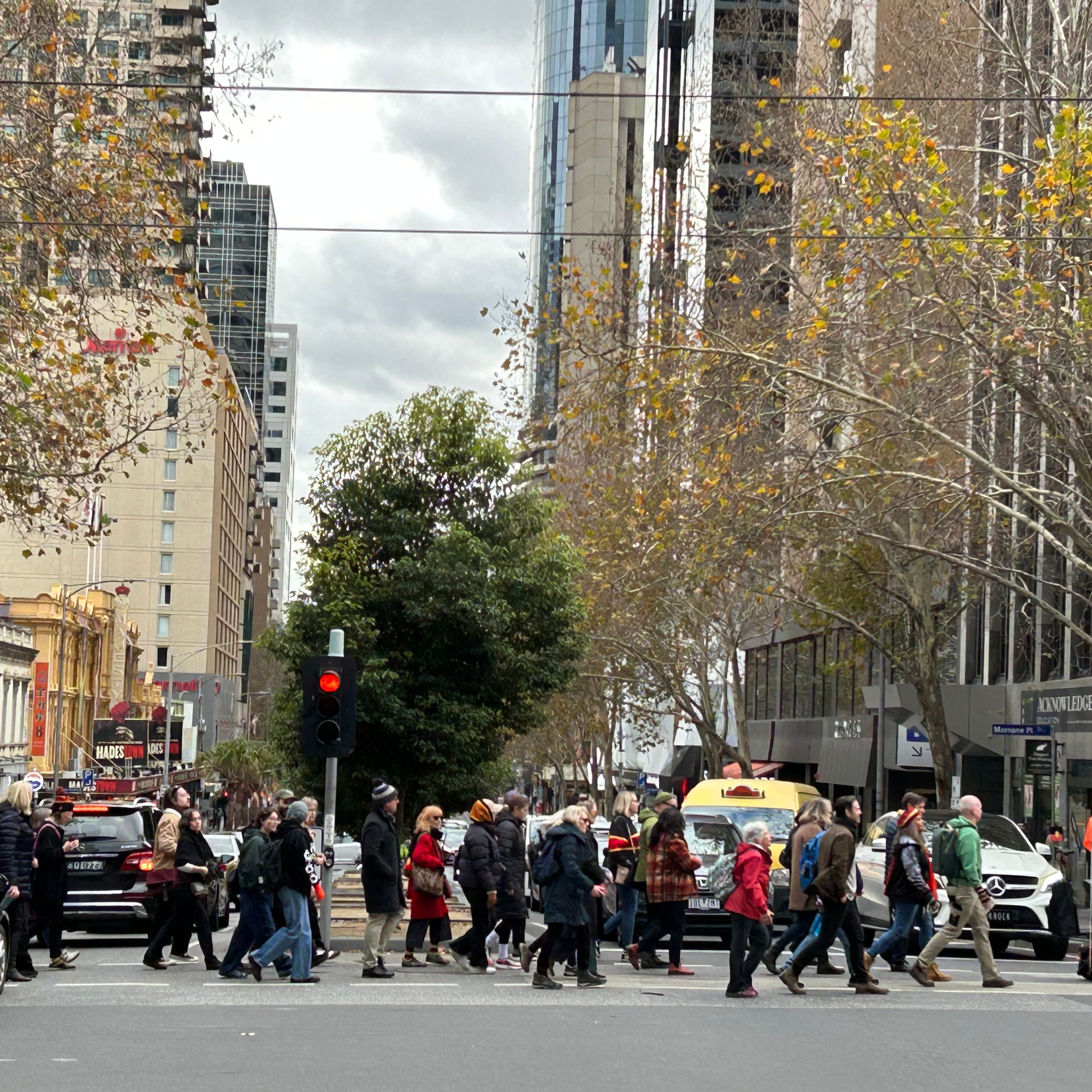
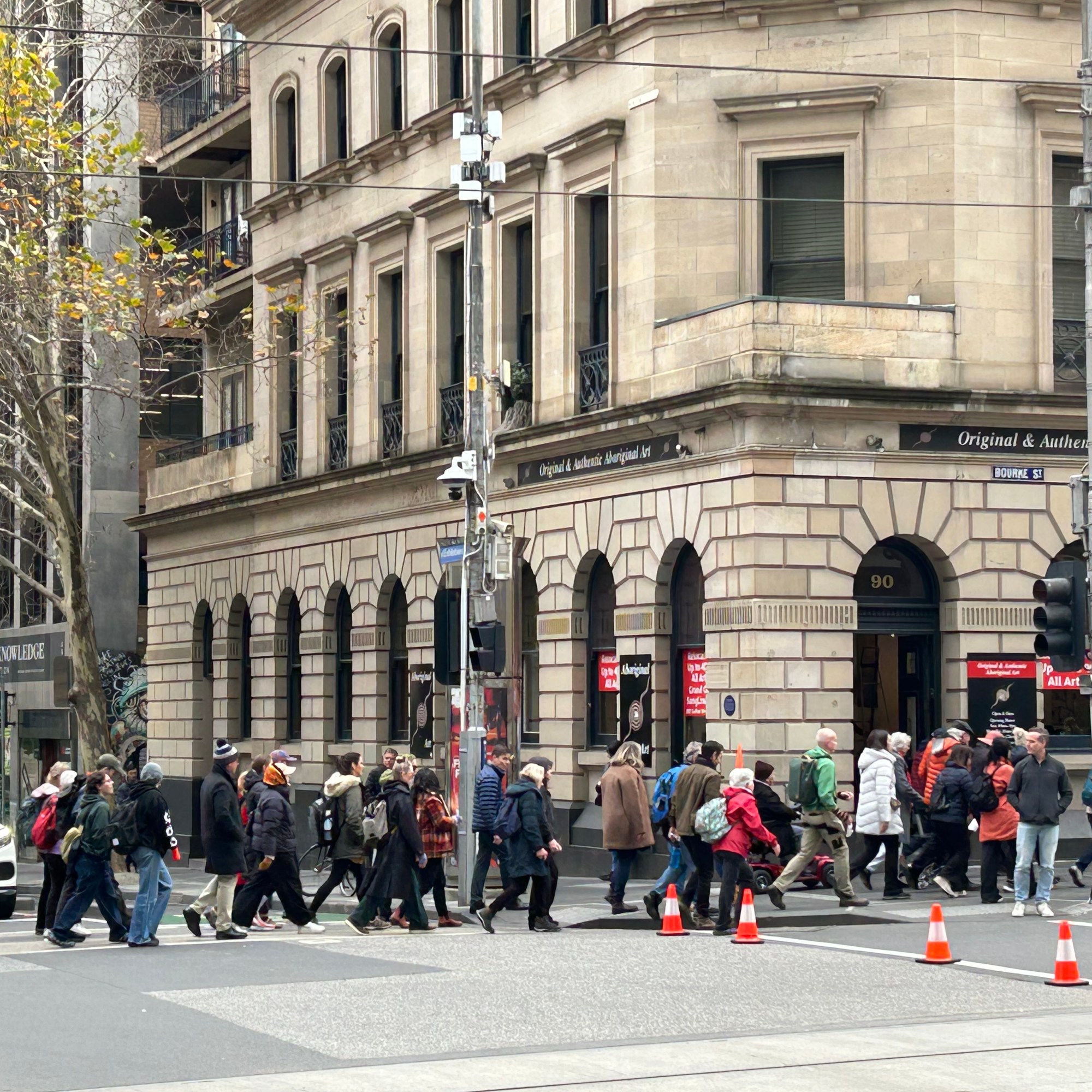
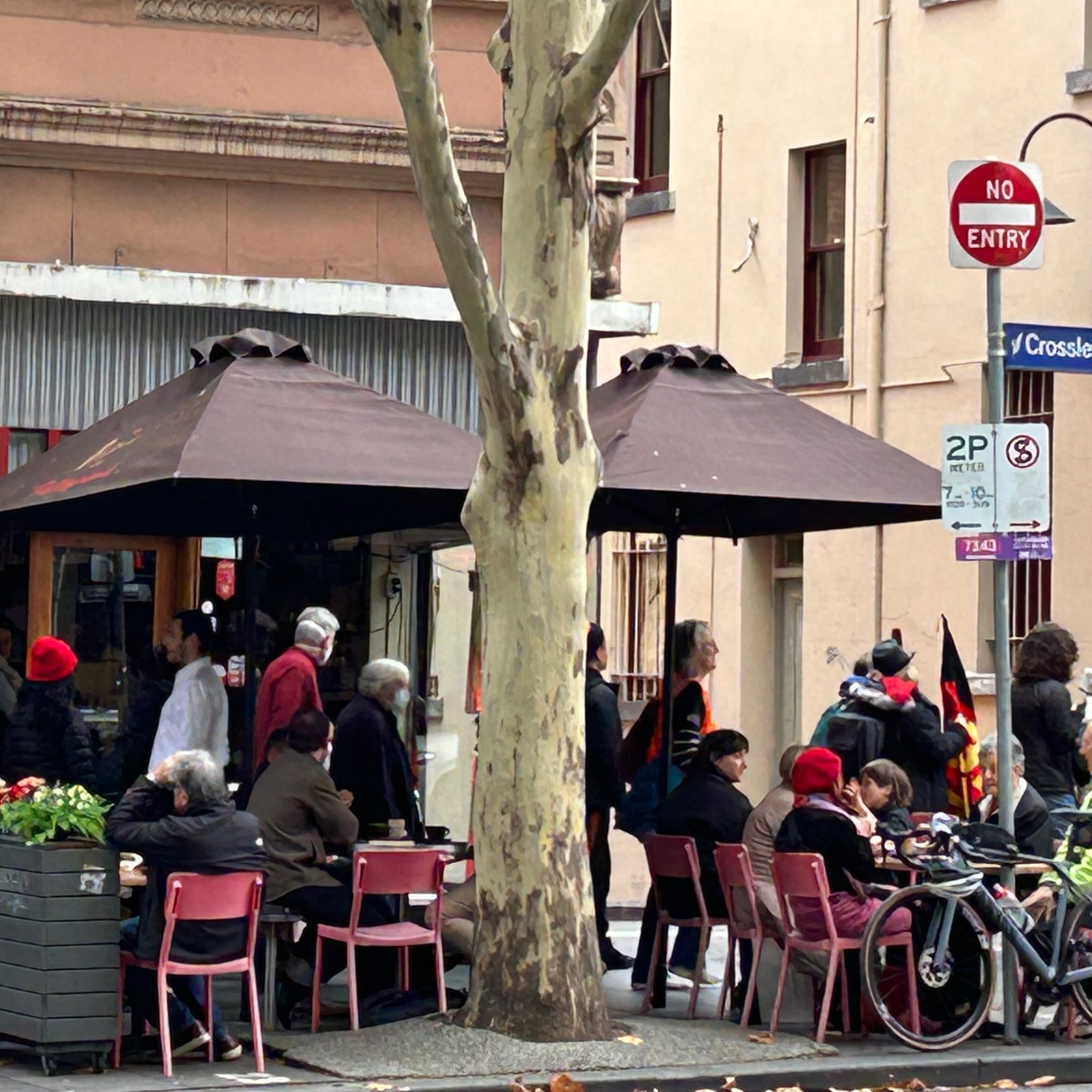
Walk For Truth on Wednesday 18 June 2025 from King’s Domain to Parliament House was the culmination of Yoorrook’s 500+km walk from Portland to Melbourne.
Walk For Truth was a public demonstration of our commitment to the truth as well as an invitation to all Australians to uphold community truth-telling.
Why is truth fundamental?
Because to live is to engage with reality—not illusion. To ignore, deny, distort, or remain ignorant of the truth is to participate in a lie. A lie cannot survive in an examined life.
Gerome Villarete
26 June 2025
Art Saves Lives
[Media Gerome Villarete Melbourne]




POST-SCRIPTUM:
Although Yoorrook has concluded, the responsibility it represents does not end. The work of building a better future—grounded in truth, understanding, justice and genuine transformation—continues, and it belongs to every Australian.
“No blame,
no reasoning,
no argument,
just understanding.
If you understand, and
you show that
you understand,
you can love, and
the situation will change.”
― Thich Nhat Hanh, Peace In Every Step
“The centre of democracy is truth. You are not free if you’ve been lied to.”
—Jason Stanley
“Our lives are not our own. We are bound to others, past and present, and by each crime and every kindness, we birth our future.”
—David Mitchell
“The message should be that there is nothing to fear or to lose in the recognition of historical truth, or the extension of social justice, or the deepening of Australian social democracy to include Indigenous Australians. There is everything to gain.”
—Paul Keating (Redfern Park Address, 10 December 1992)
“Anger is the deepest form of compassion, for another, for the world, for the self, for a life, for the body, for a family and for all our ideals, all vulnerable and all, possibly about to be hurt. Stripped of physical imprisonment and violent reaction, anger is the purest form of care, the internal living flame of anger always illuminates what we belong to, what we wish to protect and what we are willing to hazard ourselves for. What we usually call anger is only what is left of its essence when we are overwhelmed by its accompanying vulnerability, when it reaches the lost surface of our mind or our body’s incapacity to hold it, or when it touches the limits of our understanding. What we name as anger is actually only the incoherent physical incapacity to sustain this deep form of care in our outer daily life; the unwillingness to be large enough and generous enough to hold what we love helplessly in our bodies or our mind with the clarity and breadth of our whole being.
“Anger truly felt at its centre is the essential living flame of being fully alive and fully here; it is a quality to be followed to its source, to be prized, to be tended, and an invitation to finding a way to bring that source fully into the world through making the mind clearer and more generous, the heart more compassionate and the body larger and strong enough to hold it. What we call anger on the surface only serves to define its true underlying quality by being a complete but absolute mirror-opposite of its true internal essence.”
—David Whyte, On Anger
More at Making Sense | David Whyte